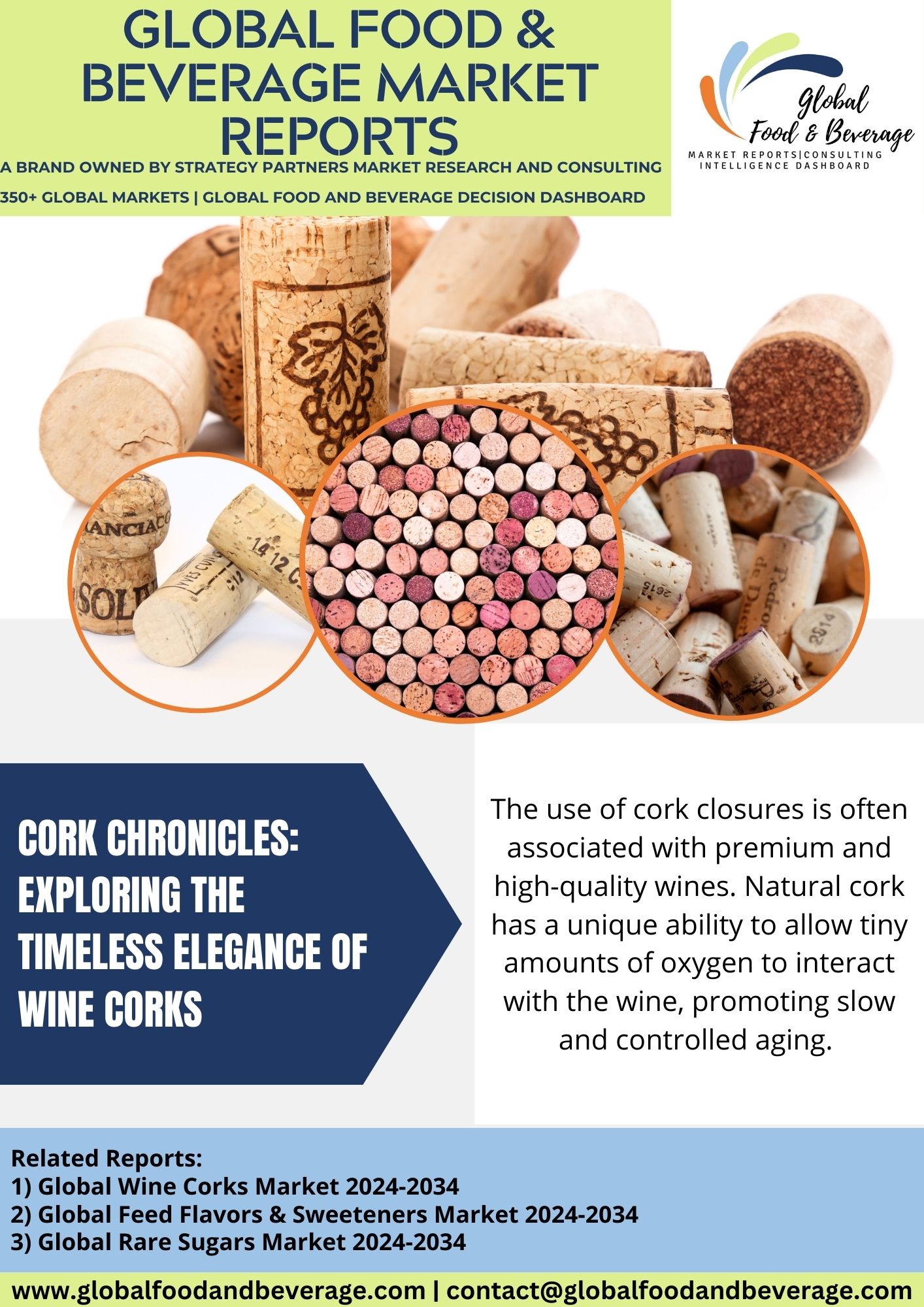
Wine corks, traditional closures for wine bottles, play a significant role in preserving and aging wine while contributing to the overall aesthetic of the bottle. Typically made from the bark of cork oak trees (Quercus suber), wine corks have been used for centuries and remain a symbol of craftsmanship and tradition in the winemaking industry.
Cork oak trees are primarily found in the Mediterranean region, particularly in Portugal and Spain, where the unique climate and soil conditions foster the growth of high-quality cork. The harvesting of cork is a meticulous process that involves carefully removing the outer bark from the trees, a practice that can only be done once the tree reaches a certain age. The trees are not harmed during this process, and they continue to regenerate their bark, making cork a sustainable and renewable resource.
Preservation:
One of the key attributes of cork is its ability to create a tight and impermeable seal in the neck of a wine bottle. This seal prevents oxygen from entering the bottle, which is crucial for the proper aging and preservation of wine. The elasticity and compressibility of cork allow it to expand and contract with changes in temperature, maintaining a secure seal over time.
The use of cork closures is often associated with premium and high-quality wines. Natural cork has a unique ability to allow tiny amounts of oxygen to interact with the wine, promoting slow and controlled aging. This process contributes to the development of complex aromas and flavors in the wine.
Despite the traditional appeal of natural cork, alternative closures such as synthetic corks and screw caps have gained popularity in recent years. Synthetic corks offer consistency and are immune to cork taint—a musty off-flavor that can affect some wines. Screw caps provide a reliable and airtight seal, particularly for wines intended for early consumption.
The choice of closure often depends on winemakers’ preferences, the style of wine, and the desired aging characteristics. Regardless of the closure type, the role of wine corks remains integral to the timeless ritual of uncorking a bottle, signaling the anticipation and enjoyment of the wine within.
Advancement:
The advancement of wine corks, integral to the timeless ritual of opening a bottle, has seen a fascinating evolution blending tradition with modern technology. Originally a simple stopper, cork closures have embraced innovation to address quality concerns, environmental sustainability, and changing consumer preferences.
One significant advancement is the introduction of technical corks, a response to the issue of cork taint associated with natural corks. Technical corks, made from agglomerated cork particles or synthetic materials, provide a reliable and consistent seal without the risk of off-flavors.
The exploration of alternative closure methods, such as screw caps and glass stoppers, has gained traction, particularly for wines intended for early consumption. These closures offer convenience and eliminate the risk of cork taint, challenging the traditional dominance of cork closures in certain market segments.
Technological enhancements in cork production have improved quality control measures. Advanced screening processes, infrared analysis, and gas chromatography help identify and eliminate cork taint, ensuring a higher percentage of wines sealed with natural corks meet quality standards.
The wine industry’s commitment to sustainability has led to the development of eco-friendly cork harvesting practices. Sustainable forestry initiatives, reduced use of pesticides, and recycling programs contribute to the environmental credentials of cork closures.
Challenge:
The wine cork industry faces several challenges that span production, market dynamics, and environmental considerations. One significant challenge is the shift towards alternative closures. The rise of screw caps, synthetic corks, and other closure options has presented competition to traditional wine corks. Producers of natural cork must navigate this changing landscape by highlighting the unique characteristics and perceived quality associated with traditional cork closures.
Quality control is a persistent challenge in the cork industry. The natural variability of cork material can lead to issues such as cork taint, which imparts undesirable flavors to the wine. Ensuring the consistency and quality of natural corks requires rigorous testing and sorting processes, as well as ongoing investments in research and development.
Sustainability concerns also impact the industry. The harvesting of cork is a sustainable practice, as it involves stripping the bark from the cork oak tree without causing harm. However, ensuring sustainable forestry practices, promoting biodiversity, and addressing concerns about deforestation in some regions are ongoing challenges for the industry.
Global supply chain challenges, including transportation issues and disruptions, can impact the availability and pricing of cork. Disturbances in the supply chain, such as those caused by the COVID-19 pandemic, highlight the need for resilience and adaptability in the industry.
Consumer perception and education are essential challenges. Communicating the environmental benefits of cork closures and dispelling misconceptions about cork-related issues, such as cork taint, are crucial for maintaining consumer confidence and preference for natural cork.
Conclusion:
In conclusion, wine corks, while seemingly simple, embody the rich tradition and craftsmanship of winemaking. Beyond their practical sealing function, cork closures contribute to the aging and preservation of wines, influencing flavor profiles and allowing for subtle maturation. Despite the rise of alternative closures, the enduring popularity of natural cork reflects a commitment to tradition, sustainability, and an appreciation for the ritual of uncorking. As the wine industry evolves, balancing innovation and ecological considerations, the significance of cork closures persists, symbolizing the timeless connection between the bottle, the beverage, and the cultural heritage that makes every uncorking moment special.