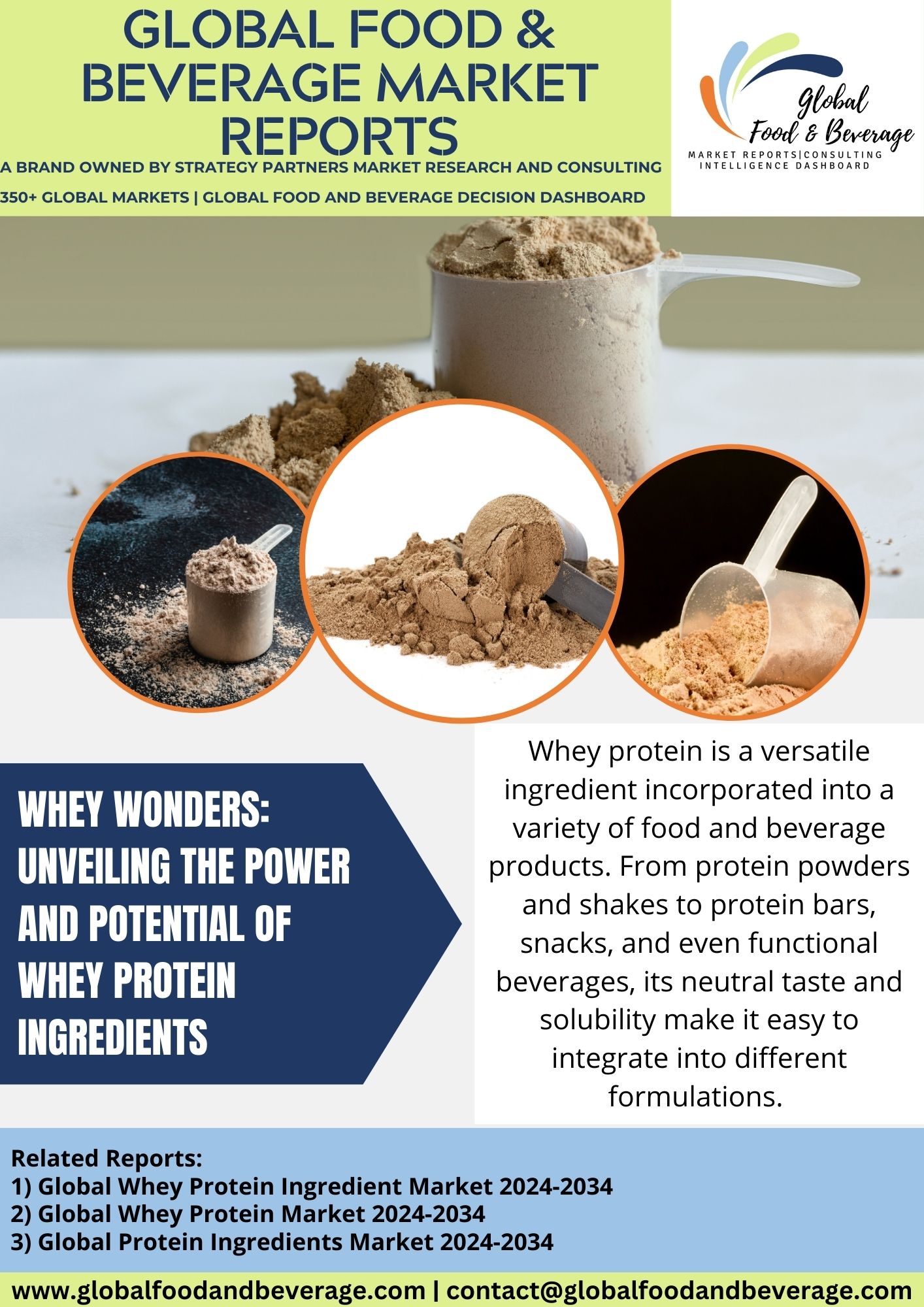
Whey protein, a high-quality protein derived from milk during the cheese-making process, has gained widespread popularity as a dietary supplement and functional ingredient. Comprising a mixture of globular proteins isolated from whey, the liquid byproduct of cheese production, whey protein is recognized for its complete amino acid profile and rapid absorption, making it a valuable source of protein for various nutritional applications.
The two main forms of whey protein are whey protein concentrate (WPC) and whey protein isolate (WPI), each differing in their protein content and processing methods. WPC retains a higher percentage of fats and carbohydrates, along with beneficial components like immunoglobulins and lactoferrin, while WPI undergoes additional processing to remove most of these non-protein elements, resulting in a product with a higher protein concentration.
Whey protein is rich in essential amino acids, including branched-chain amino acids (BCAAs) such as leucine, isoleucine, and valine. Leucine, in particular, plays a key role in protein synthesis, making whey protein a popular choice among athletes, bodybuilders, and fitness enthusiasts seeking to support muscle growth and recovery.
Health Benefits:
Beyond its role in muscle health, whey protein has been studied for its potential health benefits. It may have immune-boosting properties due to the presence of immunoglobulins and lactoferrin, which contribute to the body’s defense against infections.
Whey protein is a versatile ingredient incorporated into a variety of food and beverage products. From protein powders and shakes to protein bars, snacks, and even functional beverages, its neutral taste and solubility make it easy to integrate into different formulations. Its versatility extends to applications in dairy products, bakery items, and sports nutrition products, contributing to the protein fortification of a wide range of consumer goods.
As consumer interest in health and fitness continues to grow, whey protein remains at the forefront of the nutritional supplement market. Its effectiveness in supporting muscle health, combined with its versatility in product formulations, positions whey protein as a valuable ingredient meeting the protein needs of diverse consumer segments.
Advancement:
The global advancement of whey protein ingredients has marked a transformative journey within the realm of nutrition, fitness, and functional foods. Originally a byproduct of cheese production, whey protein has evolved into a prominent and versatile ingredient valued for its nutritional profile and functional properties.
One key advancement is the development of specialized whey protein formulations to meet diverse dietary and fitness needs. From whey protein isolates with high protein content to hydrolyzed whey for rapid absorption, manufacturers are catering to consumer demands for targeted nutritional solutions, contributing to the rise of protein-centric diets.
Technological innovations have enhanced the processing and refinement of whey protein, resulting in high-quality, bioavailable products. Advanced filtration techniques, microfiltration, and ultrafiltration ensure the extraction of pure protein with minimal lactose and fat content, meeting the demands of individuals with specific dietary requirements.
Whey protein’s integration into a variety of products has expanded beyond traditional protein shakes. It is now a common ingredient in sports nutrition products, functional foods, and even culinary applications, contributing to the protein fortification of a diverse range of consumer goods.
The global demand for clean-label and sustainable products has influenced the production of whey protein from grass-fed and organic sources. This aligns with consumer preferences for transparent ingredient lists and ethically sourced products, underscoring the industry’s commitment to meeting evolving expectations.
Challenge:
The whey protein ingredients industry faces several challenges that encompass production, market dynamics, and evolving consumer preferences. One significant challenge is the variability in the quality and composition of whey protein. The composition of whey can be affected by factors such as the source (e.g., cow’s milk or plant-based alternatives), processing methods, and regional variations. Ensuring consistent quality and nutritional content is crucial for meeting regulatory standards and consumer expectations.
Market competition is fierce, with numerous suppliers offering a range of whey protein products. Product differentiation, innovation, and adherence to quality standards are essential for companies to distinguish themselves in the market. Additionally, the industry must address the challenge of meeting the growing demand for alternative protein sources and plant-based options, which requires continuous innovation and adaptation to changing consumer preferences.
Regulatory compliance is another significant challenge. The industry must navigate complex and evolving regulations related to food safety, labeling, and health claims. Changes in regulatory standards or new requirements can impact product formulations, marketing strategies, and overall market access.
Sustainability concerns pose challenges for whey protein manufacturers. As consumers become more environmentally conscious, there is an increasing demand for sustainable and ethically sourced ingredients. This necessitates responsible sourcing practices, waste reduction, and a focus on the environmental impact of production processes.
Moreover, global supply chain disruptions and price volatility in the dairy industry can affect the availability and pricing of whey protein ingredients. Ensuring a resilient and adaptable supply chain is critical for maintaining consistent product quality and meeting market demands.
Conclusion:
In conclusion, whey protein ingredients have emerged as nutritional powerhouses, transforming the health and fitness landscape globally. Extracted from milk during cheese production, whey protein offers a complete amino acid profile and rapid absorption, making it a staple in sports nutrition and overall wellness. Its versatility extends to diverse food and beverage applications, catering to a growing demand for protein-enriched products. The market’s expansion reflects an increasing awareness of the role protein plays in muscle development and weight management. As fitness trends persist and dietary preferences evolve, whey protein ingredients remain at the forefront, influencing the formulation of products that support active, health-conscious lifestyles.