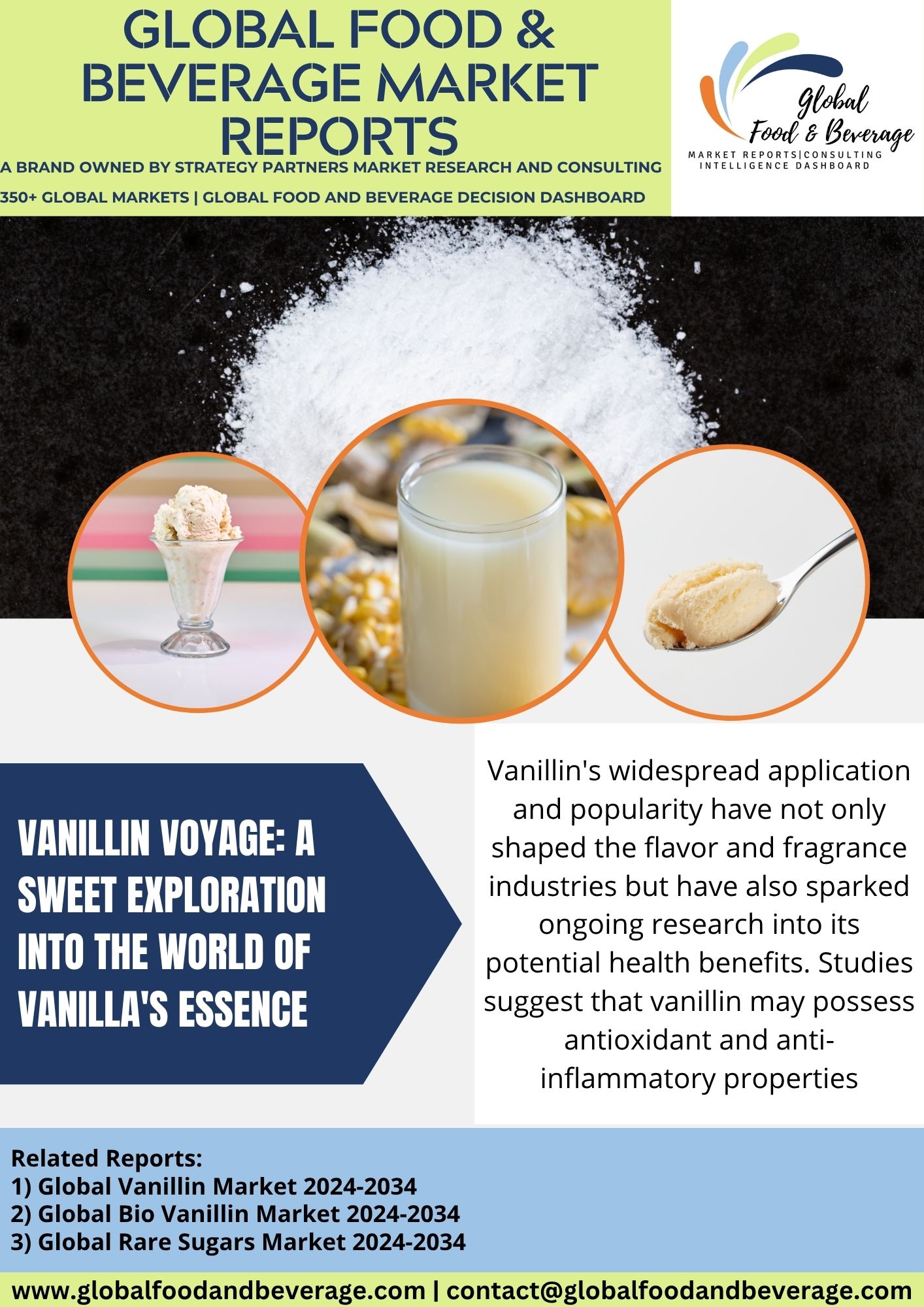
Vanillin, a key component in the aromatic landscape of vanilla, is a widely used flavoring agent and fragrance compound. Known for its sweet and creamy aroma, vanillin is a versatile compound that contributes to the characteristic flavor and scent of vanilla beans. While it naturally occurs in vanilla pods, the majority of vanillin used in various industries is synthetic, produced through chemical synthesis or derived from alternative sources.
Natural vanillin extracted from vanilla beans remains highly prized, but the increasing demand for vanilla-flavored products has led to the development of synthetic vanillin as a cost-effective and sustainable alternative. Synthetic vanillin can be produced from guaiacol, a compound found in wood pulp, or lignin, a byproduct of the paper and pulp industry. This has helped meet the growing demand for vanilla flavor in the food and beverage industry.
In the culinary world, vanillin is a ubiquitous ingredient, enhancing the taste of countless products. It is a key component in baked goods, desserts, chocolates, and beverages, providing a warm and familiar sweetness. Its ability to impart a rich and comforting flavor profile makes it a sought-after ingredient in both home kitchens and commercial food production.
Application:
Beyond the realm of food, vanillin finds extensive use in the fragrance and cosmetic industries. Its sweet and pleasant scent makes it a popular choice in perfumes, candles, and personal care products. The versatility of vanillin allows it to complement a wide range of scents, from floral and fruity to warm and oriental, contributing to the complex olfactory profiles of many fragrances.
Vanillin’s widespread application and popularity have not only shaped the flavor and fragrance industries but have also sparked ongoing research into its potential health benefits. Studies suggest that vanillin may possess antioxidant and anti-inflammatory properties, adding a layer of interest to this compound beyond its sensory appeal.
As a flavoring and fragrance powerhouse, vanillin continues to weave its aromatic charm across diverse industries, leaving an indelible mark on the gustatory and olfactory experiences of consumers worldwide.
Advancement:
The advancement of vanillin, a key flavoring compound often associated with vanilla, has undergone a transformative journey marked by innovation, sustainability, and expanded applications. Originally derived primarily from vanilla beans, advancements in production methods and sourcing have broadened the availability and versatility of vanillin.
One significant advancement is the development of synthetic vanillin, produced through various methods such as chemical synthesis or microbial fermentation. Synthetic vanillin offers a cost-effective and sustainable alternative to natural vanilla, meeting the growing demand in the food and fragrance industries while reducing the environmental impact associated with traditional vanilla cultivation.
In response to consumer preferences for natural ingredients, there has been a surge in the production of natural vanillin. This involves extraction from non-vanilla sources like cloves, guaiacol, or lignin, providing a natural and sustainable option without compromising on flavor.
Technological innovations have enhanced the production efficiency of vanillin, allowing for large-scale manufacturing and consistent quality. This has contributed to the widespread use of vanillin in various food products, including baked goods, confectionery, and beverages, as well as in the fragrance and cosmetic industries.
Challenge:
Vanillin, a key flavoring agent widely used in the food and fragrance industries, faces several challenges that impact its production, market dynamics, and sustainability. One significant challenge is the sourcing of raw materials. Traditionally derived from vanilla beans, the natural source of vanillin faces supply chain constraints due to the labor-intensive cultivation of vanilla orchids, susceptibility to climate variations, and the lengthy curing process. This results in fluctuations in vanilla prices and potential shortages, affecting the cost and availability of vanillin.
Moreover, the demand for natural and sustainable ingredients poses challenges for vanillin producers. Synthetic vanillin, derived from lignin or guaiacol, faces scrutiny due to consumer preferences for natural alternatives. Striking a balance between providing cost-effective synthetic vanillin and meeting the demand for natural and sustainable options requires ongoing innovation and research.
Market competition and the presence of synthetic alternatives are additional hurdles. The development of bio-based vanillin, produced through fermentation processes, poses both an opportunity and a challenge. While it addresses sustainability concerns, the scalability and cost-effectiveness of this production method remain challenges for widespread adoption.
Regulatory scrutiny is also a factor. Stringent regulations regarding food additives and flavorings require vanillin producers to comply with safety and labeling standards. Keeping abreast of evolving regulations and ensuring product compliance adds complexity to the industry.
Conclusion:
In conclusion, vanillin, the primary component of vanilla flavor, plays a crucial role in the global food and fragrance industries. Widely used to enhance the taste and aroma of various products, from confectionery to perfumes, its synthetic production contributes to meeting high demand. As a cost-effective alternative to natural vanilla, vanillin provides accessibility while raising questions about authenticity and sustainability. Ongoing innovations in production methods and a growing emphasis on natural sourcing underscore the dynamic nature of the vanillin market. Balancing affordability with consumer preferences for natural ingredients remains a challenge, shaping the trajectory of this essential flavoring compound on a global scale.