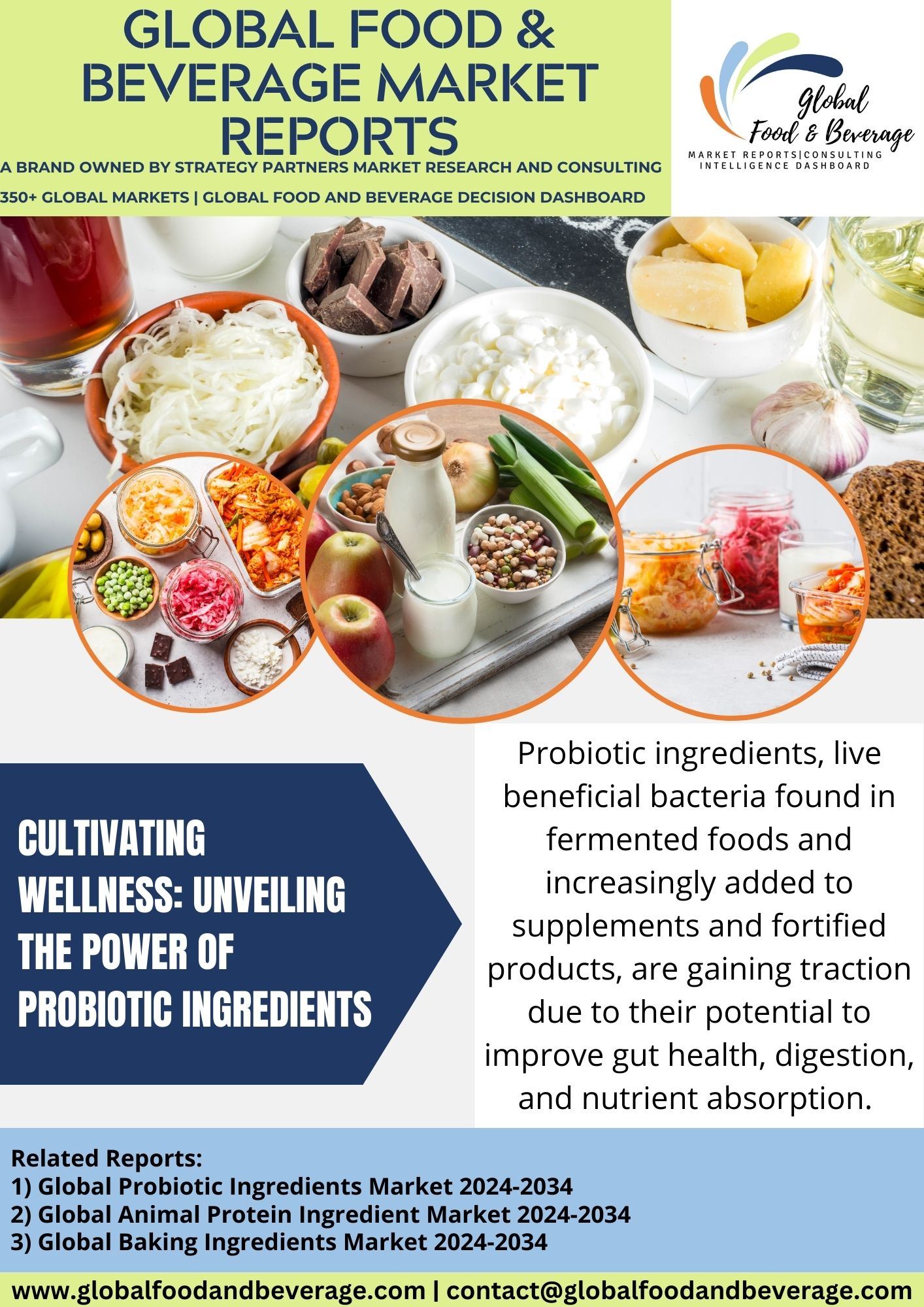
Probiotic ingredients have become a focal point in the field of nutrition and wellness, recognized for their role in promoting a healthy balance of gut microbiota. These ingredients encompass a variety of beneficial bacteria, with the most common strains being Lactobacillus and Bifidobacterium. Found naturally in fermented foods like yogurt, kefir, sauerkraut, and kimchi, probiotics have also become prevalent in supplements and fortified products, offering a convenient way to incorporate these beneficial microorganisms into daily diets.
The primary appeal of probiotic ingredients lies in their ability to positively influence the gut microbiome, which plays a crucial role in digestion, nutrient absorption, and immune function. Probiotics work by promoting the growth of beneficial bacteria in the intestines, thus helping maintain a harmonious balance in the gut.
Beyond digestive health, ongoing research suggests that probiotics may have a broader impact on overall well-being. Studies explore potential links between a balanced gut microbiome and various aspects of health, including immune function, mental health, and even weight management.
Incorporating probiotic-rich foods or supplements into one’s diet is particularly relevant in the modern context, where factors such as antibiotic use, high-stress levels, and processed diets can disrupt the natural balance of gut bacteria. Probiotic ingredients offer a proactive approach to supporting and restoring this equilibrium.
The versatility of probiotic ingredients allows for their inclusion in a variety of products, ranging from traditional dairy items to non-dairy alternatives, fermented beverages, and even snacks. Probiotic-enhanced foods and supplements have gained popularity, reflecting a growing awareness of the intricate connection between gut health and overall wellness.
As the understanding of the gut-brain axis and the microbiome’s impact on various bodily functions deepens, the market for products containing probiotic ingredients continues to expand. Consumers are increasingly seeking ways to incorporate these beneficial microorganisms into their lifestyles, recognizing the potential for improved digestive health and overall well-being.
ADVANCEMENT:
Probiotic ingredients have witnessed significant advancements, marking a pivotal era in promoting digestive health and overall well-being. Traditionally associated with dairy products, modern innovations extend probiotics into diverse applications, including supplements, functional foods, and even beauty products. Microencapsulation technologies play a crucial role, ensuring the survival of probiotic strains through the digestive system, enhancing their efficacy.
The identification and utilization of novel probiotic strains contribute to specialized formulations targeting specific health concerns. Researchers explore strains with unique benefits, from immune system support to mental health promotion, expanding the potential applications of probiotics beyond gut health.
Advancements in shelf-stability and heat resistance broaden the scope of probiotics in various food and beverage products. This enables the incorporation of probiotics into a wider array of culinary offerings, meeting consumer demand for convenient and enjoyable ways to consume these beneficial microorganisms.
Moreover, the symbiotic relationship between prebiotics and probiotics has gained attention. Combining prebiotic fibers with probiotic strains enhances the survival and colonization of beneficial bacteria in the gut, promoting a synergistic approach to digestive wellness.
As consumer awareness of gut health increases, probiotic ingredients continue to evolve, influencing not only the food and beverage industry but also sectors like skincare, where probiotics are integrated for potential dermatological benefits. These collective advancements underscore the expanding influence of probiotic ingredients on holistic health and wellness.
CHALLENGE:
Probiotic ingredients, known for their beneficial effects on gut health, encounter various challenges in the global market. One significant challenge is the sensitivity of probiotics to environmental factors. These live microorganisms can be affected by factors like temperature, humidity, and processing conditions, making it challenging to maintain their viability and effectiveness throughout the production and distribution processes.
Formulation complexities add to the hurdles. Incorporating probiotics into different food and beverage products without compromising their viability, taste, or texture can be intricate. The delicate balance between achieving a high enough dosage for health benefits and ensuring consumer acceptance poses a formulation challenge for manufacturers.
Regulatory considerations are crucial challenges. The definition and regulatory status of probiotics vary across regions, leading to diverse standards for labeling, health claims, and permissible strains. Navigating these regulatory landscapes requires manufacturers to ensure compliance while adapting to evolving standards.
Consumer education is an ongoing challenge. Despite the growing awareness of gut health benefits, some consumers may not fully understand the specific strains, dosages, or applications of probiotics. Educating consumers about the science behind probiotics and their potential health impact is essential for fostering trust and encouraging informed purchasing decisions.
Market competition and pricing pressures influence the industry. The probiotics market is competitive, with various products and formulations available. Price fluctuations, influenced by factors like raw material costs and market demand, can impact the affordability and accessibility of probiotic products.
Sustainability and stability concerns are emerging challenges. Ensuring sustainable sourcing of probiotic strains and addressing stability issues, such as shelf life and resistance to environmental conditions, are becoming more critical considerations in response to consumer demands for eco-friendly and effective products.
CONCLUSION:
In conclusion, the global market for probiotic ingredients is witnessing significant growth, fueled by a rising awareness of gut health benefits and their positive impact on overall well-being. The food and beverage industry, particularly dairy and fermented products, is a major driver of this trend. Probiotic supplements are also gaining popularity as preventive healthcare becomes a priority. Research and development efforts are focusing on enhancing probiotic stability and functionality. As consumers increasingly prioritize wellness, the demand for products containing probiotic ingredients is expected to persist, offering a promising landscape for innovation and market expansion in the ever-evolving health and nutrition sector.