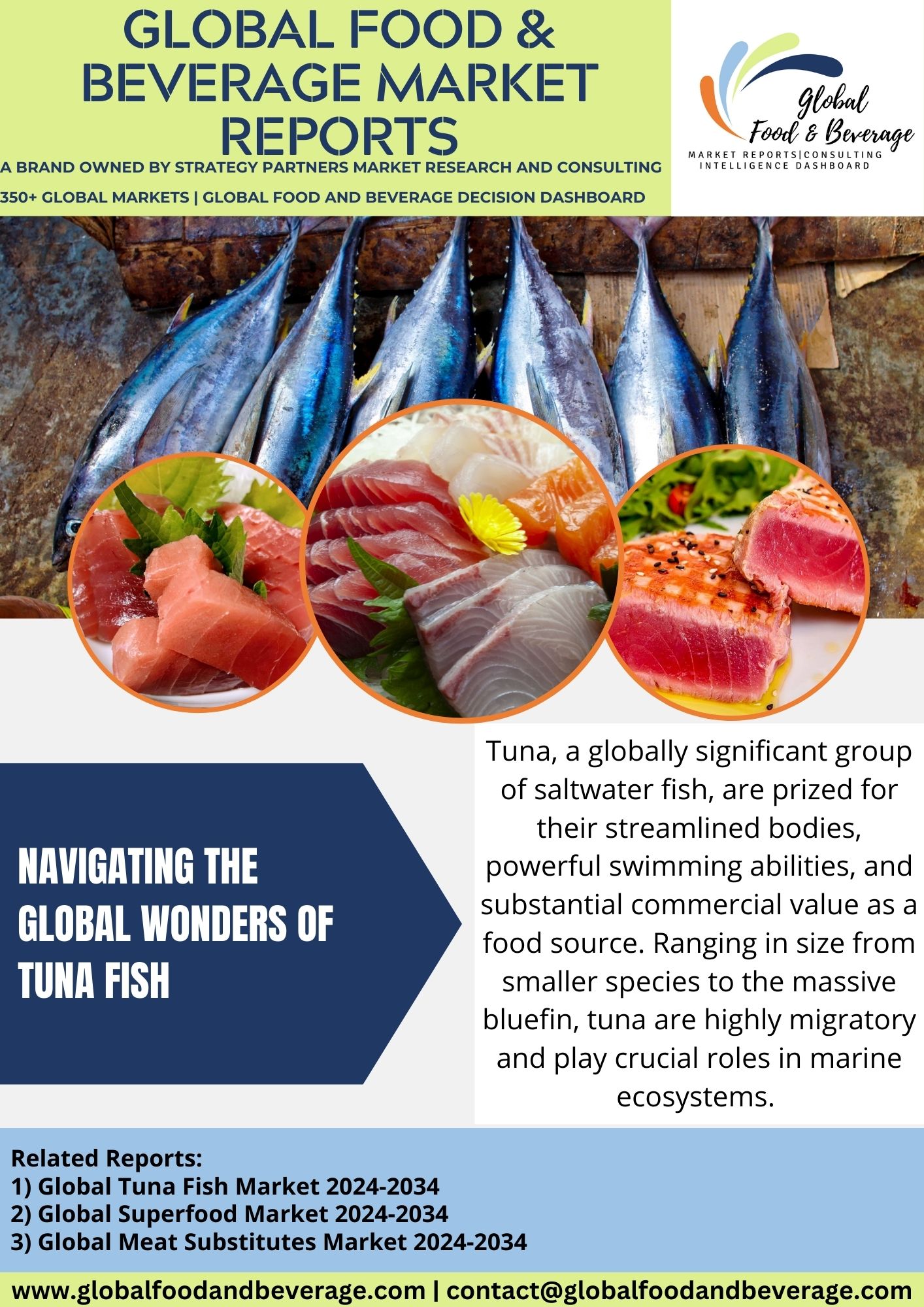
Tuna, a highly prized and versatile fish species, holds a prominent place in global cuisine, fishing industries, and cultural traditions. Distributed across various oceans, tuna has become a staple in diets worldwide, appreciated for its distinctive flavor, high nutritional value, and adaptability to diverse culinary preparations.
Among the most widely consumed species are the skipjack, yellowfin, albacore, and bigeye tunas. Each variety boasts unique qualities, catering to different preferences and culinary applications. Skipjack, for instance, is often favored for its affordability and is commonly used in canned tuna products, while yellowfin and albacore are preferred for their mild flavor and firm texture in both raw and cooked forms.
Canned tuna, a global pantry staple, plays a crucial role in households and food industries alike. Whether packed in oil or water, tuna provides a convenient and accessible source of lean protein. It is a key ingredient in salads, sandwiches, pasta dishes, and casseroles, showcasing its versatility and ability to enhance various recipes.
Significant Role:
In addition to its popularity in processed forms, tuna is highly esteemed in sushi and sashimi, particularly the premium cuts of bluefin tuna. The fatty belly section, known as toro, is a delicacy prized for its rich, buttery texture and is often featured in high-end Japanese cuisine.
Tuna also plays a significant role in global fisheries, contributing to economic livelihoods and employment opportunities. However, overfishing and concerns about sustainability have led to increased efforts to regulate tuna fishing practices and promote responsible fishing initiatives.
The global demand for tuna continues to drive innovation in the fishing industry, with advancements in fishing techniques, aquaculture, and processing methods. As consumer awareness of sustainability grows, there is a heightened focus on responsibly sourced tuna, marked by certifications such as the Marine Stewardship Council (MSC) label.
Whether enjoyed as a convenient canned product, a delicacy in high-end dining, or a catch in recreational and commercial fishing, tuna’s global presence reflects its significance as a cherished and enduring element in the world’s culinary and cultural tapestry.
Advancement:
The global advancement of tuna fish has undergone significant changes, influenced by sustainability concerns, technological innovations, and shifting consumer preferences. Originally a staple in various cuisines, tuna has evolved into a prominent player in the global seafood industry.
One key advancement is the heightened emphasis on sustainable fishing practices. With growing concerns about overfishing and environmental impact, the tuna industry has witnessed increased efforts to adopt responsible fishing methods, including pole and line fishing and selective harvesting, to ensure the long-term health of tuna populations and marine ecosystems.
Technological innovations in fishing, processing, and packaging have improved the efficiency and sustainability of the tuna supply chain. From advanced vessel tracking systems to eco-friendly canning processes, these innovations contribute to minimizing waste, reducing environmental impact, and ensuring the traceability of tuna products.
The diversification of tuna products reflects changing consumer preferences. Beyond canned tuna, the market now includes a variety of tuna-based products such as sashimi, sushi, and ready-to-eat meals. Tuna’s popularity is also driven by its high protein content, omega-3 fatty acids, and the perception of being a healthy food choice.
Challenge:
Tuna Fish Global, as a player in the seafood industry, encounters various challenges that span economic, environmental, and regulatory dimensions. Firstly, overfishing and concerns about the sustainability of tuna stocks are significant issues. The company must navigate international regulations and quotas to ensure responsible and ethical sourcing of tuna. This requires close monitoring of fishing practices, adherence to catch limits, and collaboration with regulatory bodies to promote sustainable fisheries management.
Global economic fluctuations also impact Tuna Fish Global. The industry is sensitive to factors like fuel prices, which affect the cost of fishing operations and transportation. Economic uncertainties can influence consumer spending habits, potentially impacting demand for premium tuna products.
Environmental concerns, such as ocean pollution and climate change, pose challenges. Tuna Fish Global must address the ecological impact of its operations, including the potential bycatch of non-target species and the need for responsible waste disposal practices. The company may face pressure from environmentally conscious consumers and regulatory bodies to adopt more eco-friendly processes.
Market competition is intense in the seafood industry. Tuna Fish Global must continually innovate its products and maintain high-quality standards to differentiate itself. Additionally, the emergence of alternative protein sources and changing consumer preferences for healthier and more sustainable options further add to the competitive landscape.
Lastly, navigating complex international trade regulations and tariffs can be a hurdle for Tuna Fish Global, especially if geopolitical tensions impact trade agreements. Adapting to evolving trade policies and ensuring compliance is crucial for the company’s global operations.
Conclusion:
In conclusion, the Global tuna fish market reflects its significant and enduring presence in the seafood industry. Recognized for its high protein content and omega-3 fatty acids, tuna remains a staple in diets worldwide. With diverse culinary applications, from sushi to canned products, its popularity spans cultures and cuisines. The industry faces challenges, including sustainability concerns and overfishing, prompting efforts towards responsible fishing practices. As consumer preferences continue to evolve towards healthier and ethically sourced foods, the future of the global tuna market lies in balancing demand with sustainable practices, ensuring the longevity of this iconic and nutritionally valuable seafood.