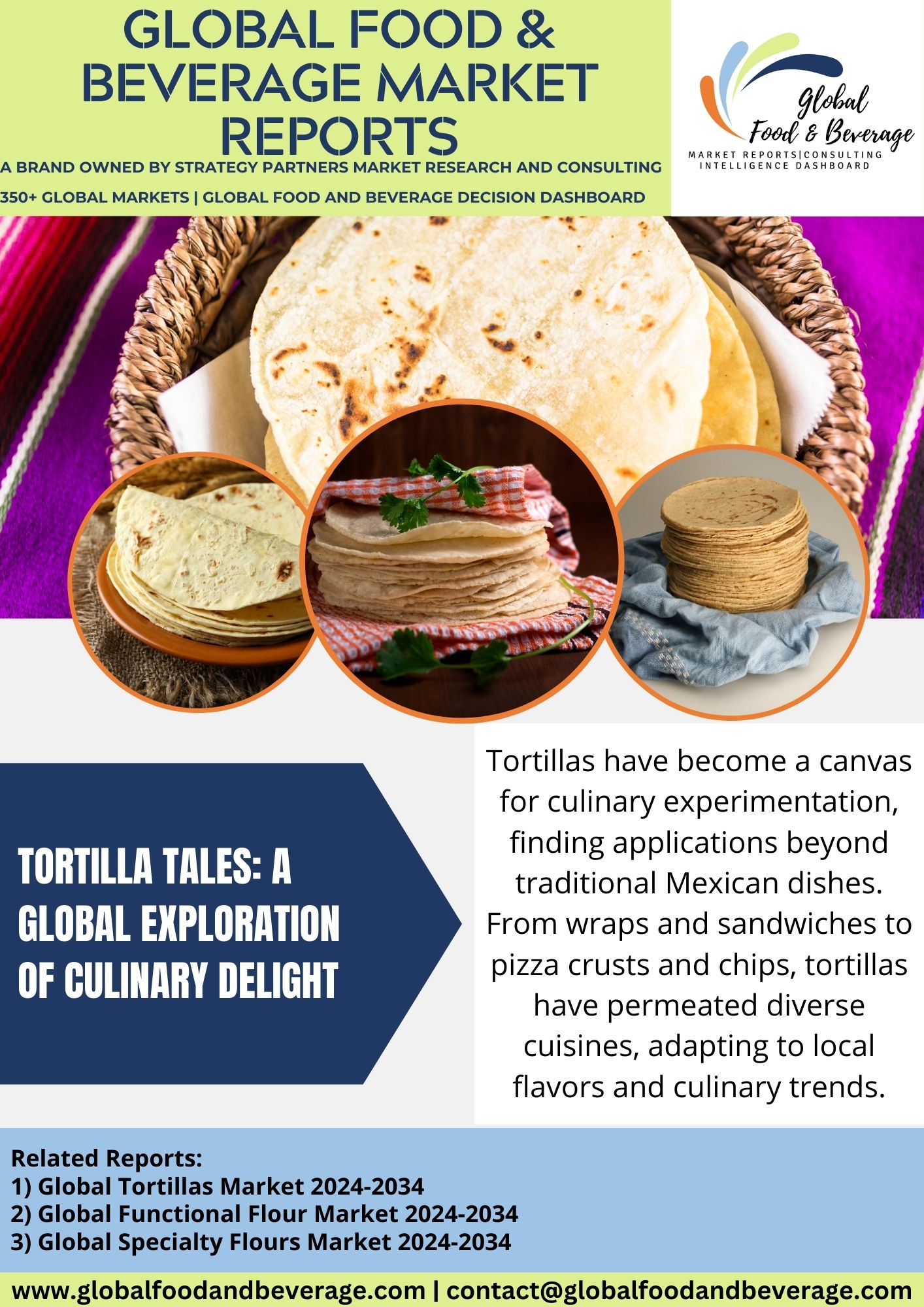
The tortilla, a flatbread with ancient origins dating back to Mesoamerican civilizations, has evolved into a global culinary phenomenon, transcending cultural boundaries and becoming a staple in various cuisines worldwide. Originally crafted from maize (corn) by indigenous peoples in the Americas, the tortilla has undergone diverse transformations, reflecting the adaptability of this versatile and fundamental food item.
Traditionally, corn tortillas are made by nixtamalization, a process involving soaking corn in an alkaline solution, which enhances nutritional value and flavor. The softened corn is then ground into masa, a dough used to form thin, round discs that are cooked on a griddle. The result is a flavorful and slightly chewy flatbread with a distinctive texture.
While corn tortillas remain a culinary cornerstone, wheat flour tortillas have gained immense popularity globally. This variation, a product of the fusion of Old and New World ingredients, provides a softer and more pliable alternative. It has become the foundation for beloved dishes such as burritos, quesadillas, and wraps.
Globalization:
The globalization of the tortilla is evident in its widespread use in international cuisines. In the United States, for example, tortillas have become a ubiquitous element in Tex-Mex and Mexican-American cuisine. Beyond the Americas, the tortilla has found a place in Mediterranean cuisine as a base for various dishes, demonstrating its versatility and ability to complement diverse flavors.
In recent years, the demand for healthier and gluten-free options has led to the emergence of alternative tortillas made from ingredients like cassava, chickpea flour, and spinach. These variations cater to dietary preferences and restrictions, further propelling the tortilla into the mainstream of global culinary consciousness.
Whether served as a vessel for savory fillings or enjoyed on its own, the tortilla’s global appeal lies in its simplicity, adaptability, and capacity to bring people together through the shared experience of enjoying a timeless and culturally rich food item.
Advancement:
The global advancement of tortillas has witnessed a transformative journey, transcending traditional borders to become a staple in diverse culinary cultures worldwide. Originally a fundamental element in Mexican cuisine, tortillas have evolved into a versatile and ubiquitous component in a wide array of international dishes.
One key advancement is the diversification of tortilla varieties. Beyond the classic corn and flour options, innovative recipes now include spinach, whole grain, and flavored tortillas, offering consumers a range of choices to suit various tastes and dietary preferences. This expansion aligns with the global focus on healthier and more diverse food options.
Technological advancements in tortilla production have led to increased efficiency and consistency. Automated processes, such as continuous baking and packaging systems, ensure the mass production of high-quality tortillas, meeting the demands of a growing global market.
Tortillas have become a canvas for culinary experimentation, finding applications beyond traditional Mexican dishes. From wraps and sandwiches to pizza crusts and chips, tortillas have permeated diverse cuisines, adapting to local flavors and culinary trends.
Challenge:
Tortilla Global, a company in the food industry, faces various challenges that span operational, market, and environmental factors. Firstly, supply chain disruptions pose a significant hurdle. The company relies on a steady and cost-effective supply of ingredients like flour, corn, and other essential components for its tortilla production. Fluctuations in commodity prices, transportation issues, and geopolitical tensions can disrupt the supply chain, affecting production costs and ultimately impacting the company’s profitability.
Market competition is another pressing challenge. The food industry is highly competitive, with numerous players offering similar products. Tortilla Global must continuously innovate, differentiate its products, and adapt to changing consumer preferences to maintain and grow its market share. Marketing strategies and brand positioning become crucial in this dynamic landscape.
Moreover, changing consumer trends and preferences present challenges in product development. Health and wellness trends, for instance, may shift demand towards healthier or gluten-free alternatives, requiring Tortilla Global to invest in research and development to meet evolving consumer expectations.
Environmental sustainability is a growing concern for businesses globally. Tortilla Global may face pressure to adopt eco-friendly practices, reduce its carbon footprint, and use sustainable sourcing methods. Meeting these expectations while maintaining cost-effectiveness poses a delicate balancing act.
Conclusion:
In conclusion, the global popularity of tortillas signifies their versatile and enduring role in diverse cuisines. From traditional Mexican dishes to international wraps, tortillas have transcended cultural boundaries, becoming a staple in various culinary traditions. The market’s growth is fueled by their adaptability to evolving dietary preferences, including gluten-free and healthier alternatives. As a convenient and versatile food item, tortillas cater to the demand for quick, customizable meals. Ongoing innovations, such as flavored varieties and alternative grain options, contribute to their continued global appeal. In the ever-expanding world of global cuisine, tortillas remain a fundamental and beloved component of diverse gastronomic expe