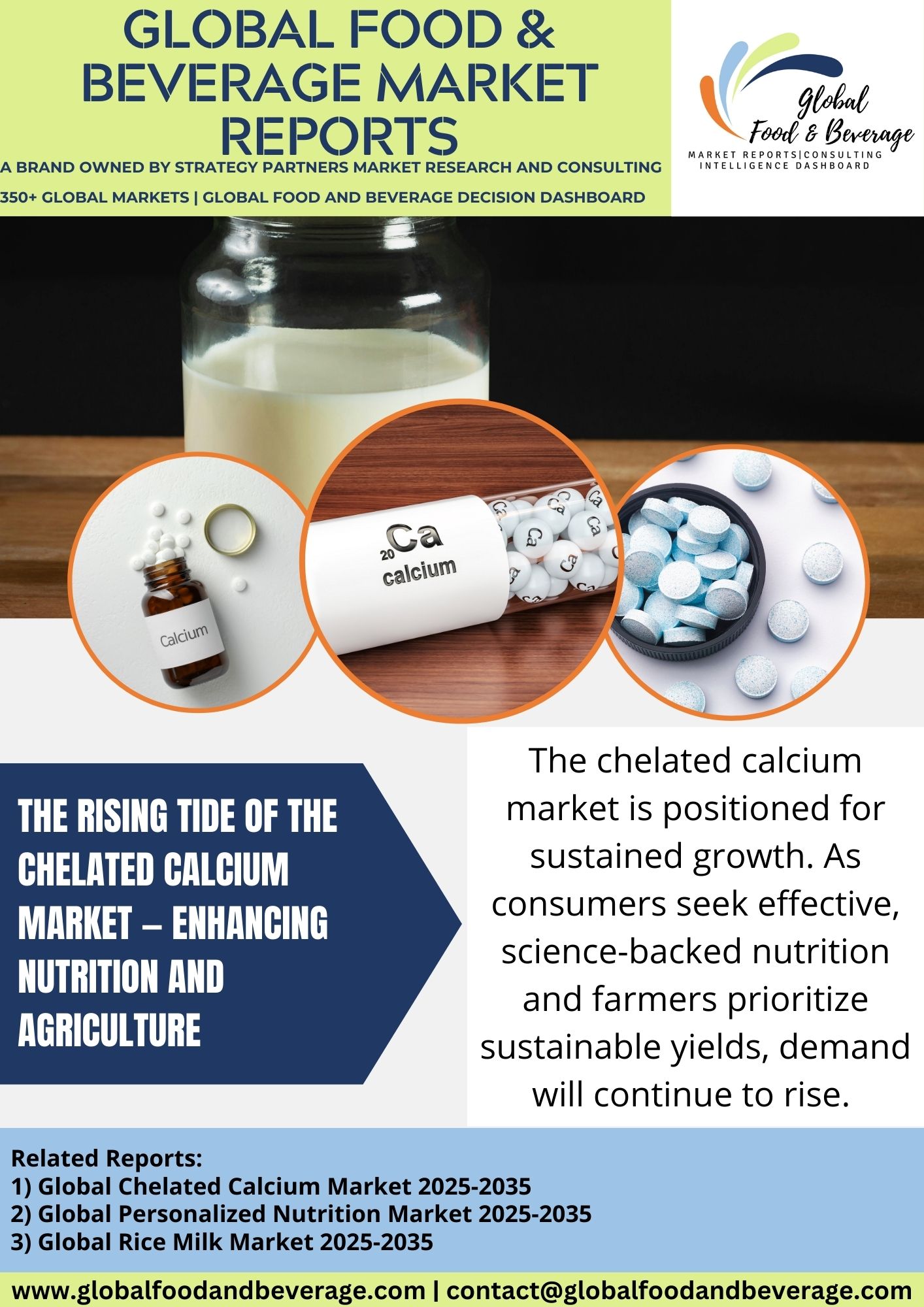
Chelated calcium is increasingly recognized as a superior nutrient source in both human health and agriculture. Unlike conventional forms like calcium carbonate or citrate, chelated calcium binds calcium ions to amino acids or organic acids, forming stable complexes with significantly higher bioavailability. This enhanced absorption reduces nutrient waste and boosts effectiveness across supplements, fortified foods, animal feed, and agricultural fertilizers.
Superior Efficiency Across Applications
In human nutrition, chelated calcium overcomes the limitations of traditional supplements, which often pass through the body with minimal absorption. Amino-acid chelates are gentler on the stomach and better utilized, supporting bone health, muscle function, and overall wellness. With rising global concern around osteoporosis and age-related calcium deficiencies, demand for efficient calcium forms continues to grow.
In agriculture, chelated calcium plays a critical role in correcting soil deficiencies—especially in alkaline soils where inorganic calcium binds poorly. Its improved uptake strengthens plant cell walls, reduces physiological disorders such as blossom end rot in tomatoes, and enhances both yield and crop quality.
A Diverse and Expanding Market
Chelated calcium serves multiple industries:
- Human Health: Used in nutraceuticals and pharmaceuticals—tablets, capsules, powders, and granules—without affecting taste or texture in fortified foods.
- Agriculture: Widely applied through foliar sprays, soil treatments, and fertigation to improve nutrient efficiency in fruits, vegetables, grains, and more.
- Animal Feed: Supports bone development, eggshell quality, and overall growth in poultry, livestock, and aquaculture.
Key Growth Drivers
Several trends accelerate market expansion:
- Heightened awareness of bone and preventive health
- Increasing global incidence of osteoporosis
- Agricultural demand for high-efficiency nutrients amid limited farmland
- Rising adoption of sustainable and organic farming
- Growth in aquaculture and pet nutrition markets
Regional Outlook
- North America: Leads in supplement adoption and food fortification standards.
- Europe: Strong in quality nutrition and sustainable agriculture.
- Asia-Pacific: Expected to grow fastest due to agriculture-intensive economies, rising incomes, and increased health awareness.
- Latin America & Middle East: Growing as farming modernizes and nutritional needs increase.
Challenges in the Market
Despite its advantages, the market faces hurdles:
- Higher production costs due to complex chelation processes
- Regulatory variations across countries
- Raw material supply chain disruptions
- Competition from cheaper inorganic calcium sources
- Limited awareness in developing regions
Emerging Opportunities
Innovations and market trends create new avenues:
- Clean-label and organic chelated calcium products
- Plant-based and sustained-release formulations
- Expansion into pharmaceuticals (targeted therapies) and cosmetics
- Integration with precision agriculture for optimized crop nutrition
Key Industry Players
Major companies shaping the landscape include:
- BASF SE, Balchem Corporation, Albion Laboratories — leaders in chelation technologies
- DSM N.V., Cargill, Nutreco N.V. — strong presence in animal nutrition
- Solgar, Nature’s Bounty, Carlson Labs — prominent in consumer supplements
- Yara International, Mosaic Company — agricultural nutrition specialists
Future Outlook
The chelated calcium market is positioned for sustained growth. As consumers seek effective, science-backed nutrition and farmers prioritize sustainable yields, demand will continue to rise. Advancements in technology and collaboration across nutraceutical, agricultural, and research sectors are likely to lower costs and improve accessibility. With its superior absorption and versatile applications, chelated calcium stands to play an essential role in global health, food production, and long-term sustainability.