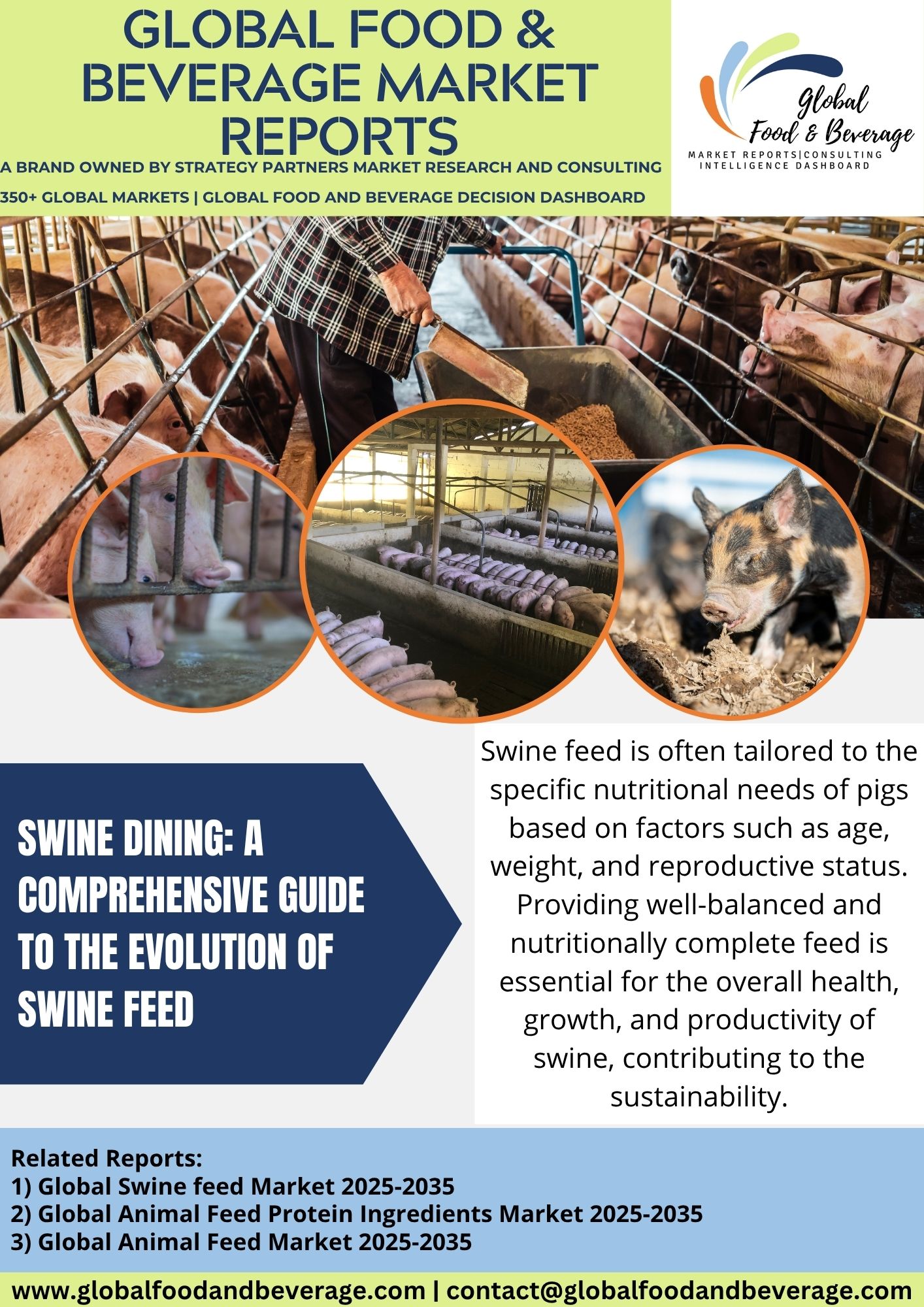
Swine feed plays a crucial role in the health and performance of pigs in various stages of their lifecycle, from piglets to growing and finishing pigs. The formulation of swine feed involves a careful balance of essential nutrients to support growth, reproduction, and overall well-being. These nutrients include proteins, carbohydrates, fats, vitamins, and minerals.
Proteins are a critical component of swine feed as they are essential for muscle development, immune function, and overall growth. Common protein sources in swine feed include soybean meal, corn gluten meal, and distillers’ dried grains.
Carbohydrates, primarily derived from grains such as corn and barley, provide energy for pigs. Swine feed formulations take into account the energy requirements of pigs at different life stages, ensuring they receive the necessary calories for growth and maintenance.
Components:
Fats are another important component of swine feed, serving as a concentrated source of energy. Fat sources may include vegetable oils, animal fats, and added fats to meet the dietary energy needs of pigs.
Vitamins and minerals are crucial for various physiological functions in pigs, including bone development, immune support, and enzyme activity. Swine feed formulations are carefully designed to meet the specific vitamin and mineral requirements of pigs at different life stages.
In addition to these key nutrients, swine feed may also include additives such as antibiotics, probiotics, and enzymes to enhance digestion, promote gut health, and prevent diseases. The use of additives is subject to regulatory guidelines and is carefully monitored to ensure animal welfare and food safety.
Swine feed is often tailored to the specific nutritional needs of pigs based on factors such as age, weight, and reproductive status. Providing well-balanced and nutritionally complete feed is essential for the overall health, growth, and productivity of swine, contributing to the sustainability and efficiency of swine farming operations worldwide.
Advancement:
The advancement of swine feed has undergone transformative changes, driven by a combination of scientific research, technological innovations, and a focus on sustainable and efficient pig farming practices. Modern swine feed formulations are designed to meet the nutritional needs of pigs at different stages of growth, optimizing their health, growth rates, and overall well-being.
Nutrient precision has become a key focus, with advancements in understanding the specific dietary requirements of pigs based on factors such as age, weight, and reproductive status. This precision allows for tailored feed formulations that enhance feed efficiency and reduce environmental impact.
Innovations in feed ingredients have expanded the variety of components used in swine diets. Alternative protein sources, such as soybean meal, and innovative additives, including enzymes and probiotics, contribute to improved digestibility and gut health. These advancements not only enhance pig nutrition but also align with sustainable farming practices.
Genetic improvements in pig breeds have led to a better understanding of their nutritional requirements, influencing the formulation of feed to support optimal growth rates and reproductive performance. Additionally, advancements in feed processing technology ensure the production of pelleted or extruded feeds that enhance nutrient availability and reduce waste.
Challenge:
Swine feed faces several challenges that impact the swine industry, requiring careful management and innovation to ensure optimal pig growth, health, and overall production efficiency. One major challenge is the rising cost of feed ingredients, including grains and protein sources, which directly influences production expenses. Fluctuations in global markets, weather-related crop failures, and increased competition for resources contribute to this volatility, making feed costs a significant concern for swine producers.
Balancing the nutritional requirements of swine poses another challenge. Achieving the right combination of proteins, vitamins, and minerals is essential for proper growth and development. However, formulating cost-effective yet nutritionally balanced diets becomes complex, especially as consumer demands for antibiotic-free and sustainable pork production increase. Additionally, the variability in pig genetics and growth rates further complicates feed formulation, requiring precision and adaptability in swine nutrition programs.
Controlling and preventing diseases within swine herds is a constant challenge. The emergence of new pathogens and the evolution of existing ones demand ongoing vigilance. Maintaining biosecurity measures to prevent disease introduction and transmission is crucial, as diseases not only impact pig health but also disrupt feed efficiency and overall production.
Environmental sustainability is a growing concern in swine feed production. The ecological impact of feed ingredients, waste management, and the carbon footprint of swine production contribute to the industry’s overall sustainability challenge. Innovations in feed sourcing, alternative protein options, and waste utilization are essential to address these environmental considerations and ensure the long-term viability of swine feed production. In conclusion, the swine feed industry must navigate challenges related to cost, nutrition, disease, and sustainability to sustainably meet the growing global demand for pork.
Conclusion:
In conclusion, the global market for swine feed is a vital component in sustaining the swine industry’s growth and ensuring optimal animal health. The formulation of nutritionally balanced feeds plays a pivotal role in supporting swine growth, reproduction, and overall performance. Advances in feed technology, incorporating quality ingredients, and addressing nutritional requirements contribute to the industry’s efficiency and sustainability. However, challenges such as fluctuating commodity prices and environmental concerns underscore the need for ongoing innovation. As the demand for pork continues to rise, the evolution of swine feed practices remains integral to meeting production demands responsibly and ensuring the welfare of these essential livestock.”