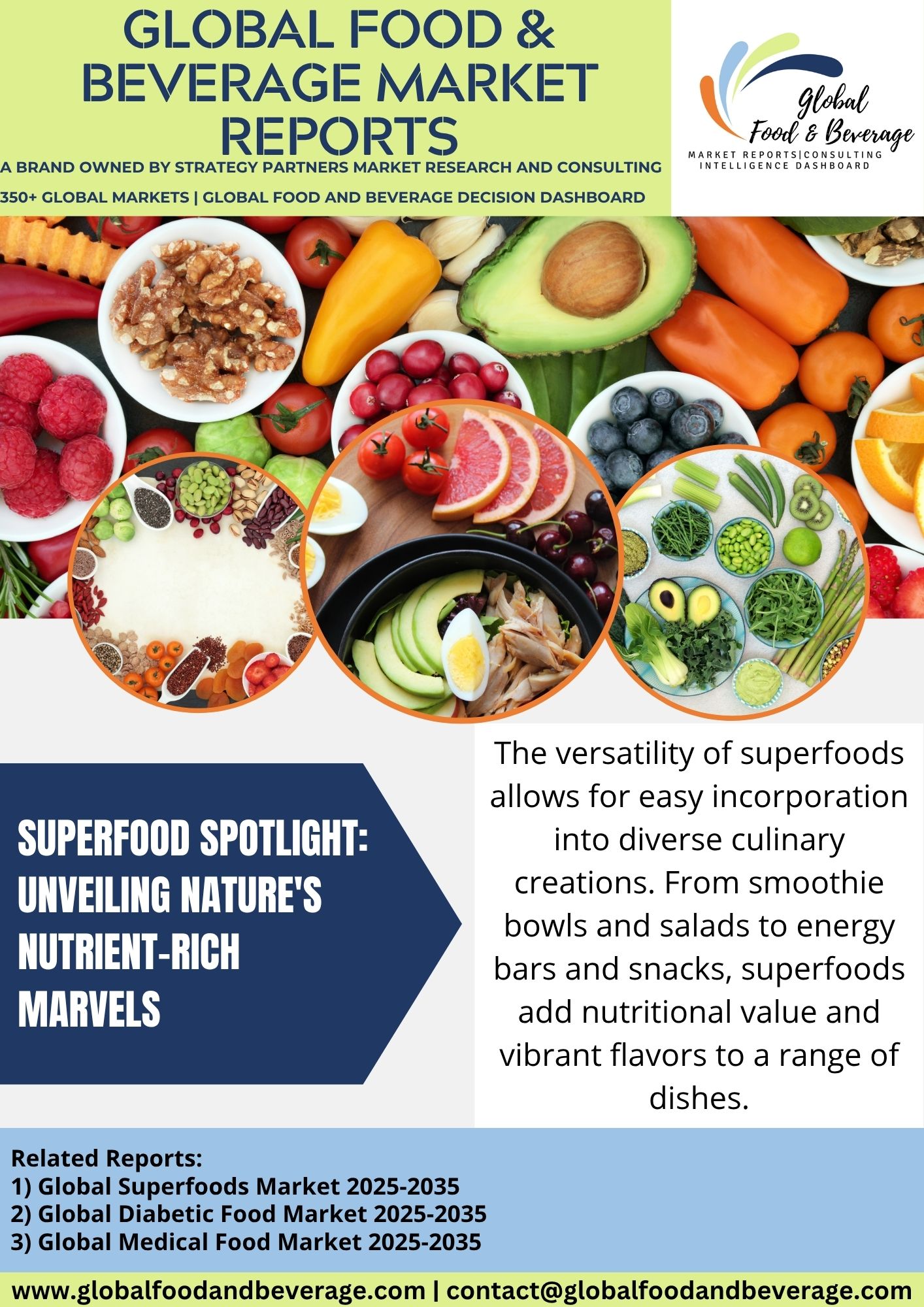
Superfood a category of nutrient-dense foods celebrated for their exceptional health benefits, have gained widespread popularity as consumers increasingly prioritize nutrition and wellness. These foods are recognized for their high concentrations of vitamins, minerals, antioxidants, and other beneficial compounds, contributing to overall health and potentially reducing the risk of chronic diseases.
The term “”superfood”” is not a scientific classification but rather a marketing term used to highlight the exceptional nutritional content of certain foods. Common examples include berries (such as blueberries, acai berries, and goji berries), leafy greens (like kale and spinach), seeds (chia seeds and flaxseeds), nuts (such as almonds and walnuts), fatty fish (like salmon), and fruits rich in antioxidants (such as pomegranates).
Essential Nutrients:
One key characteristic of superfoods is their nutrient density, meaning they provide a high amount of essential nutrients relative to their calorie content. This makes them valuable additions to a balanced and health-conscious diet, offering a variety of vitamins, minerals, and antioxidants that support overall well-being.
Many superfoods are praised for their potential to boost the immune system, fight inflammation, and support heart health. Antioxidants found in superfoods can help neutralize free radicals in the body, reducing oxidative stress and inflammation, which are linked to various chronic diseases.
The versatility of superfoods allows for easy incorporation into diverse culinary creations. From smoothie bowls and salads to energy bars and snacks, superfoods add nutritional value and vibrant flavors to a range of dishes.
While incorporating superfoods into a diet can contribute to a nutrient-rich lifestyle, it’s essential to recognize that overall dietary patterns and a variety of nutrient sources are crucial for optimal health. The key is to enjoy a diverse and balanced diet that includes a spectrum of nutrient-dense foods, incorporating superfoods as part of a broader strategy for maintaining wellness and supporting long-term health goals.
Advancement:
The advancement of superfoods represents a dynamic trend in the global food industry, driven by a heightened focus on nutrition, health-conscious consumer choices, and the discovery of novel nutrient-rich ingredients. Superfoods, often hailed for their exceptional nutritional profiles and potential health benefits, have seen significant evolution in terms of variety, accessibility, and culinary applications.
The identification and promotion of new superfoods have expanded beyond traditional staples like berries and leafy greens. Exotic fruits, seeds, algae, and grains with unique nutritional properties have gained recognition, offering consumers a diverse range of options to enhance their diets.
Advancements in food processing and preservation techniques have enabled the incorporation of superfoods into a variety of products, from energy bars to beverages. This has facilitated their integration into everyday diets, making the nutritional benefits more accessible to a wider audience.
Superfoods have also become a focal point in personalized nutrition and functional food development. As scientific research explores the specific health-promoting properties of various superfoods, consumers can tailor their dietary choices to address specific health concerns or nutritional needs.
Challenge:
The superfood industry faces challenges influenced by factors such as changing consumer preferences, sustainability concerns, and market dynamics. One significant challenge is meeting evolving consumer expectations. As interest in health and wellness grows, consumers seek superfoods that offer a range of nutritional benefits. Developing and marketing products that align with these shifting preferences while maintaining authenticity and transparency poses an ongoing challenge for the industry.
Sustainability concerns and responsible sourcing pose growing challenges. Many superfoods are sourced from specific regions, and ensuring sustainable farming practices, fair trade, and ethical sourcing is crucial for the industry. Meeting the demand for superfoods while addressing environmental and social considerations requires a comprehensive approach to sustainability.
Regulatory compliance and labeling complexities add to the challenges. Different regions have varying regulations regarding health claims, permissible additives, and labeling standards for superfoods. Navigating these diverse standards requires manufacturers to invest in compliance expertise to ensure market access and consumer trust.
Market competition and differentiation pose ongoing hurdles. The superfood market is competitive, with various products vying for consumer attention. Distinguishing products through unique formulations, quality standards, and marketing strategies is essential for companies to maintain a competitive edge and capture consumer loyalty.
Consumer education and affordability are critical. While there is growing awareness of superfoods, educating consumers about their benefits, usage, and sourcing is crucial. Additionally, making superfoods accessible and affordable to a broader consumer base presents a challenge for the industry to ensure inclusivity.
Conclusion:
In conclusion, the global fascination with superfoods embodies a collective pursuit of enhanced nutrition and well-being. These nutrient-rich foods, often dense in vitamins, antioxidants, and essential nutrients, have captured consumer interest seeking preventive health benefits. From kale to chia seeds, the superfood phenomenon reflects a growing awareness of the link between diet and overall health. However, it is crucial to approach superfoods as part of a balanced diet, acknowledging that no single food can guarantee optimal health. Ongoing research into their efficacy and sustainable sourcing practices will be instrumental in shaping a nuanced understanding of superfoods’ role in promoting holistic and long-term well-being.