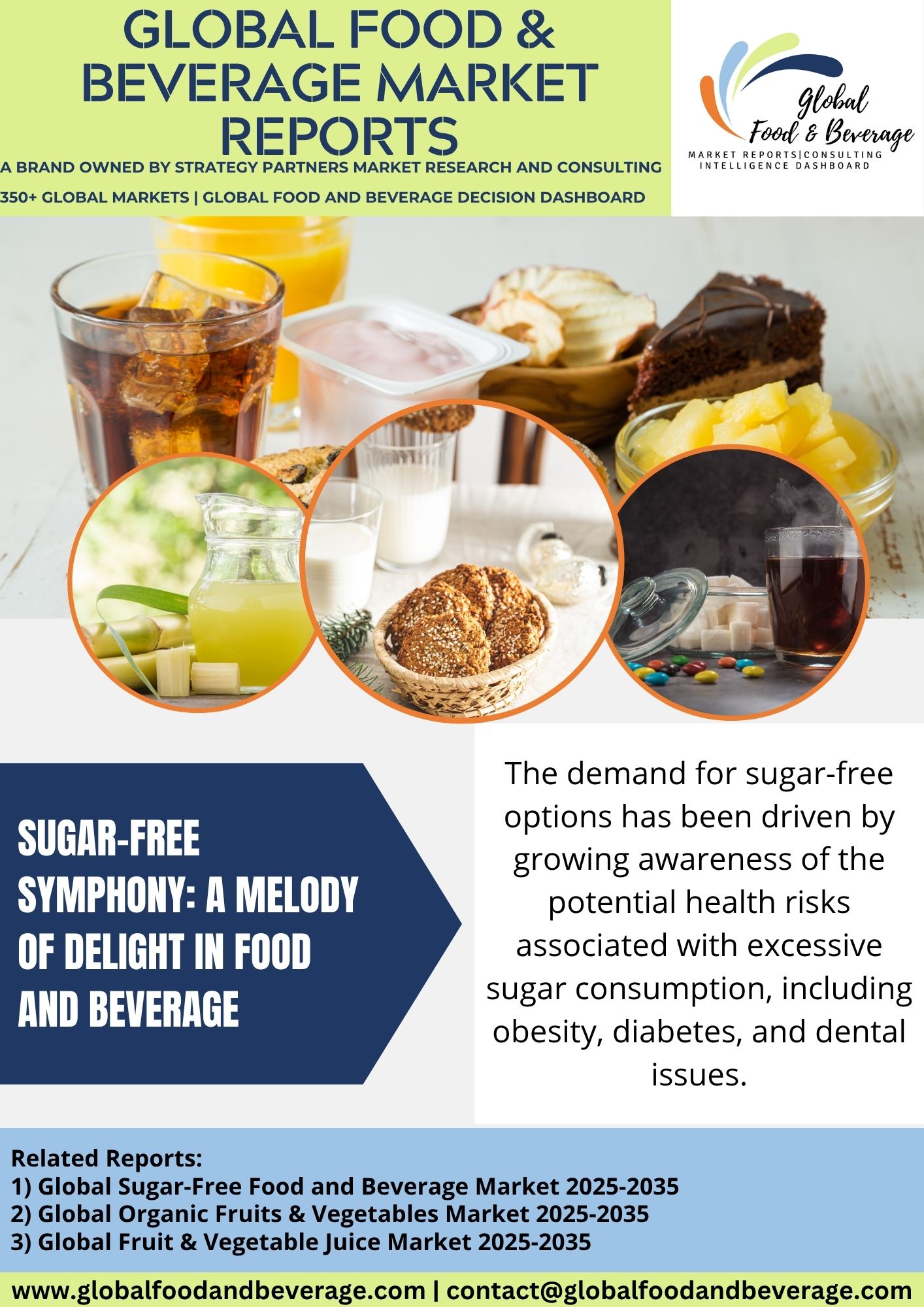
Sugar-free food and beverage products have witnessed a surge in popularity as health-conscious consumers increasingly prioritize reduced sugar intake and seek alternatives that align with their wellness goals. This category encompasses a diverse range of products formulated without added sugars, utilizing various sugar substitutes and natural sweeteners to maintain sweetness without the caloric impact associated with traditional sugars.
The demand for sugar-free options has been driven by growing awareness of the potential health risks associated with excessive sugar consumption, including obesity, diabetes, and dental issues. As a response to these concerns, food and beverage manufacturers have introduced a wide array of sugar-free alternatives to cater to consumers aiming to make healthier dietary choices.
Artificial sweeteners such as aspartame, sucralose, and steviol glycosides derived from the stevia plant are commonly used to replace sugar in sugar-free products. These sweeteners provide the desired sweetness without contributing to the overall calorie count, making them suitable for individuals looking to manage their weight or monitor their sugar intake.
Sugar-free products can be found across various categories, including beverages, snacks, dairy, and bakery items. Sugar-free beverages, such as diet sodas and sugar-free teas, have become particularly popular, offering a refreshing choice for those seeking a flavorful drink without the added sugars.
In the realm of snacks and confectionery, sugar-free options often feature natural sweeteners or sugar alcohols, providing a guilt-free indulgence for those with a sweet tooth. Additionally, sugar-free dairy products and baked goods have become prevalent, offering alternatives that accommodate dietary preferences and health-conscious lifestyles.
The global market for sugar-free food and beverages continues to expand, driven by the ongoing trend toward healthier eating habits. As consumers become more label-conscious and seek products that align with their wellness objectives, the sugar-free category is expected to witness continued innovation and growth, with manufacturers exploring new sweetening agents and formulations to meet the diverse needs of health-focused consumers worldwide.
Advancement:
The global advancement of sugar-free food and beverages mirrors a paradigm shift in consumer preferences towards healthier choices and the ongoing pursuit of reduced sugar intake. This evolution has been marked by innovations in formulations, taste profiles, and a heightened emphasis on health-conscious marketing.
Artificial sweeteners, such as stevia, aspartame, and sucralose, have played a pivotal role in the development of sugar-free products. These substitutes offer sweetness without the caloric impact of sugar, addressing concerns related to obesity and metabolic health. Continuous research has refined the taste profiles of these sweeteners, reducing aftertastes and improving overall palatability.
The diversification of sugar-free options spans various categories, including beverages, snacks, and baked goods. Manufacturers have responded to consumer demands by expanding their product lines to include an array of sugar-free alternatives, ranging from carbonated drinks to chocolate and yogurt.
Advancements in food technology have enabled the creation of sugar-free products that closely mimic the taste and texture of their sugared counterparts. These innovations appeal to consumers seeking healthier options without compromising on flavor, contributing to the widespread acceptance of sugar-free choices on a global scale.
Challenge:
The sugar-free food and beverage industry faces challenges driven by factors such as changing consumer preferences, regulatory dynamics, and the need for innovation. One significant challenge is taste optimization. As consumers shift towards sugar-free alternatives for health reasons, the industry must overcome the challenge of replicating the sweetness of sugar without compromising taste. Addressing potential aftertastes or textural changes associated with sugar substitutes remains a continuous hurdle.
Regulatory compliance and labeling complexities add to the challenges. Different regions have varying regulations regarding the use of sugar substitutes, permissible additives, and labeling standards for sugar-free products. Navigating these diverse standards requires manufacturers to invest in compliance expertise to ensure market access and consumer trust.
Clean label trends and natural sweeteners pose ongoing hurdles. With consumers increasingly seeking clean label products, the industry must find ways to formulate sugar-free options using natural sweeteners and avoid artificial additives. Achieving a balance between natural ingredients, taste, and shelf stability presents a challenge for innovation.
Market competition and differentiation influence the industry. The sugar-free food and beverage market is competitive, with various options available to consumers. Distinguishing products through unique formulations, flavors, and marketing strategies is essential for companies to maintain a competitive edge and capture consumer loyalty.
Consumer education and acceptance are critical. Despite the popularity of sugar-free options, there may still be misconceptions about their safety, taste, and benefits. Educating consumers about the advantages of sugar-free alternatives and addressing concerns is essential for broader acceptance and market growth.
Conclusion:
In conclusion, the global trend towards sugar-free food and beverages reflects a paradigm shift in consumer choices towards healthier living. Fueled by rising health consciousness and a desire to manage sugar intake, the market witnesses continual innovation in artificial sweeteners and natural alternatives. Sugar-free options cater to diverse dietary preferences, including low-carb and diabetic-friendly diets. While addressing health concerns, challenges include taste perceptions and the potential environmental impact of certain sweeteners. As the industry navigates these complexities, the expanding repertoire of sugar-free products underscores a commitment to providing flavorful and healthier choices, reshaping the future of the food and beverage landscape on a global scale.