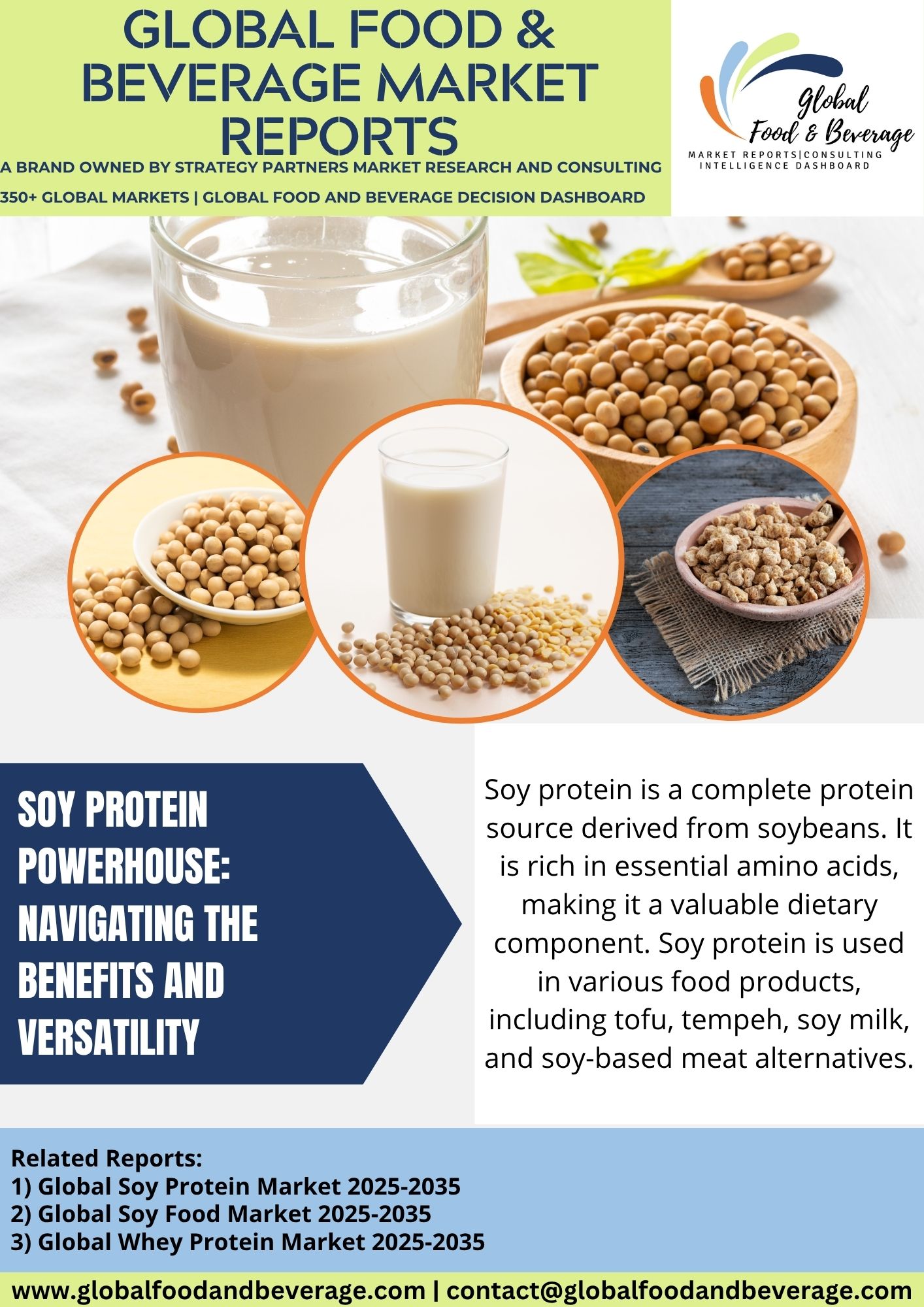
Soy protein, derived from soybeans, has become a widely embraced and nutritionally significant ingredient in the food industry. Renowned for its high-quality protein content and versatility, soy protein is a staple in various plant-based and vegetarian diets, as well as a valuable component in numerous processed foods.
One of the primary forms of soy protein is soy protein isolate, a concentrated protein extract that contains a high percentage of protein with minimal carbohydrates and fats. This makes it a popular choice for protein fortification in a range of food products, including plant-based meat alternatives, protein bars, and nutritional supplements.
Textured soy protein, often referred to as textured vegetable protein (TVP), is another widely used form. This product is created by extruding defatted soy flour to produce a fibrous and meat-like texture. Textured soy protein is a favorite in plant-based meat substitutes, such as veggie burgers, sausages, and meat analogs, as it mimics the mouthfeel and texture of animal-based proteins.
Application:
Soy protein concentrate, which contains a lower protein content than isolate but more than soy flour, is used in various applications, including meat extenders, dairy alternatives, and baked goods. Its versatility makes it an ideal ingredient for enhancing the nutritional profile of a wide array of food products.
The nutritional benefits of soy protein are significant. It is a complete protein source, meaning it provides all essential amino acids necessary for human health. Additionally, soy protein is low in saturated fat and free from cholesterol, making it a heart-healthy alternative to certain animal-based proteins.
Beyond its nutritional value, soy protein has gained attention for its potential health benefits. Soy protein contains phytochemicals called isoflavones, which have been studied for their potential role in heart health and hormonal balance.
Soy protein’s adaptability and nutritional richness have positioned it as a key player in addressing the growing demand for plant-based protein options and meeting the diverse dietary needs of consumers around the world.
Advancement:
The advancement of soy food signifies a transformative journey in the realm of plant-based nutrition, offering consumers a diverse and innovative range of soy-based products. Traditionally celebrated for its protein-rich profile, soy has evolved beyond traditional forms like tofu and soy milk, embracing cutting-edge technologies and culinary creativity.
One significant stride is the development of plant-based meat alternatives using soy protein. These innovations have given rise to meatless burgers, sausages, and nuggets that closely mimic the taste and texture of traditional meat products. The versatility of soy protein allows for the creation of plant-based alternatives that cater to the evolving preferences of flexitarians and those seeking sustainable protein sources.
Furthermore, soy-based dairy alternatives, such as soy yogurt and cheese, have gained popularity for providing a lactose-free and plant-powered option for individuals with dietary restrictions or those opting for a more environmentally conscious lifestyle.
Technological advancements have also played a role in enhancing the texture and flavor of soy products, contributing to a more enjoyable and satisfying sensory experience. The soy food industry’s commitment to innovation aligns with the broader shift toward plant-based eating, reflecting a dynamic and flavorful future for soy as a key player in the world of alternative proteins.
Challenge:
The soy protein industry faces several challenges influenced by diverse factors ranging from consumer preferences to sustainability concerns. One significant challenge is the need to address taste and texture issues. While soy protein is a versatile and nutritious ingredient, some consumers find its taste and texture less appealing than animal-based proteins. Overcoming these sensory challenges is crucial for broad consumer acceptance.
Sustainability concerns and responsible sourcing are growing challenges. As environmental consciousness rises, consumers are paying more attention to the sustainability of soy production, including concerns related to deforestation and agricultural practices. Ensuring responsible sourcing practices while meeting the demand for soy protein poses a challenge for the industry.
Regulatory compliance and labeling complexities add to the challenges. Different regions have varying regulations regarding food safety, labeling, and permissible ingredients in soy protein products. Navigating these diverse standards requires manufacturers to invest in compliance expertise to ensure market access and consumer trust.
Allergen awareness and labeling are ongoing hurdles. Soy is one of the major allergens, and ensuring proper allergen labeling and addressing cross-contamination concerns are critical challenges for the soy protein industry. Maintaining transparency in labeling and manufacturing processes is essential for consumer safety.
Market competition and protein diversification pose challenges. The protein market is highly competitive, with various plant-based and animal-based alternatives. Continuous product innovation and diversification to meet evolving consumer preferences and maintain a competitive edge are ongoing challenges for the soy protein industry.
Conclusion:
In conclusion, the soy protein market is experiencing significant growth, propelled by the rising demand for plant-based protein sources and the health-conscious shift in dietary choices. As a versatile and nutritionally rich ingredient, soy protein addresses consumer preferences for sustainable and meat-alternative options. The industry’s focus on clean-label formulations, diverse product applications, and technological advancements in extraction processes contributes to market expansion. With the ongoing trend toward plant-centric diets and increased awareness of health benefits, soy protein plays a pivotal role in shaping the future of protein consumption. The market presents continuous opportunities for innovation and meeting the evolving demands of a health-conscious global population.