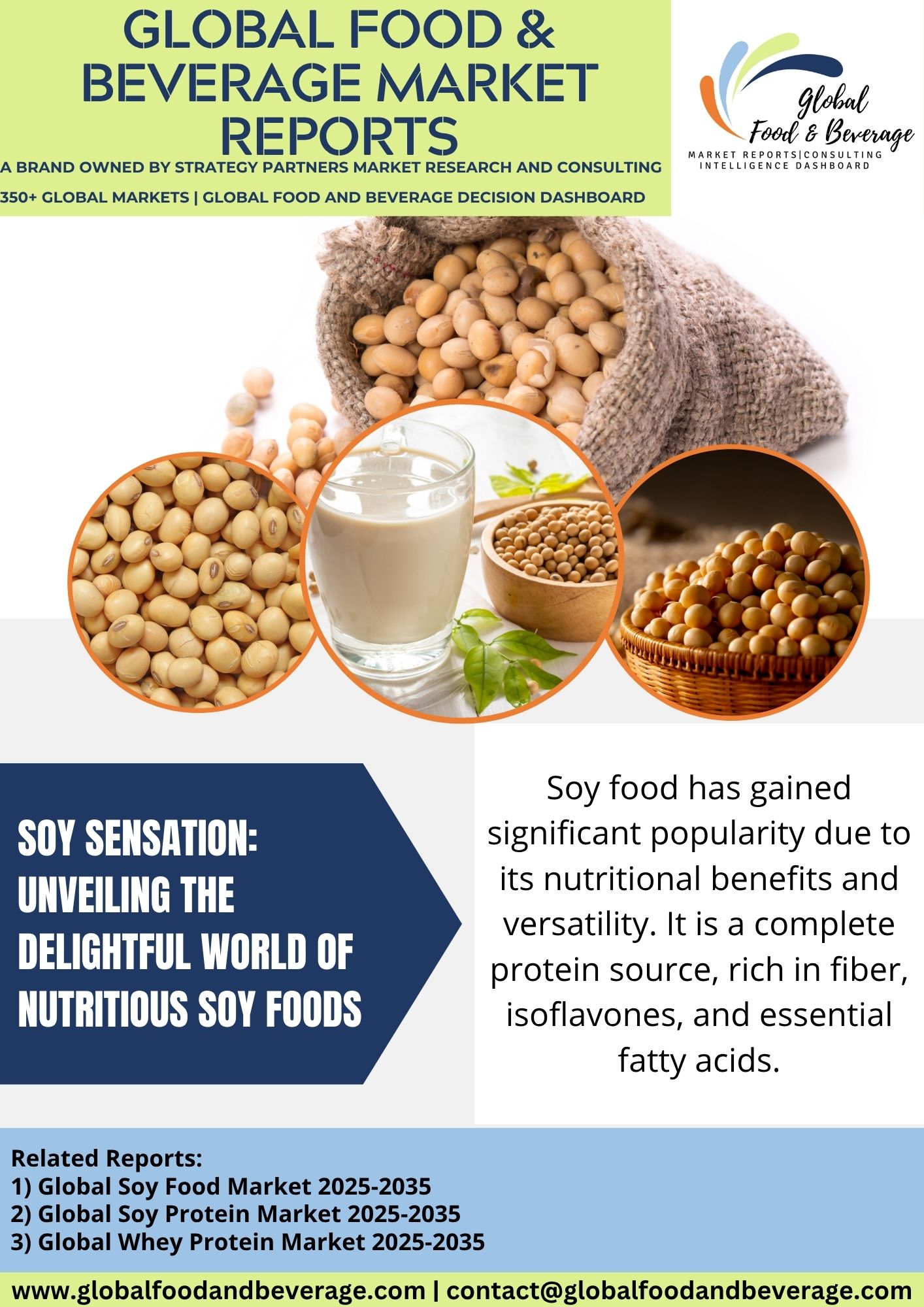
Soy foods has emerged as a prominent and versatile component of global cuisine, offering a range of plant-based products derived from soybeans. From traditional Asian dishes to contemporary Western alternatives, soy-based foods have gained popularity for their nutritional value, sustainability, and diverse culinary applications.
One of the most well-known soy products is tofu, a staple in Asian cuisine. Tofu, also known as bean curd, is a versatile and protein-rich food made by coagulating soy milk and pressing the curds into solid blocks. Its mild flavor and sponge-like texture allow it to absorb the flavors of the dishes it is incorporated into, making it a favorite in both savory and sweet preparations.
Soy milk, another popular soy product, serves as a dairy-free alternative to cow’s milk. Rich in protein and often fortified with vitamins and minerals, soy milk has become a go-to option for individuals with lactose intolerance or those adopting plant-based diets. It is used in various culinary applications, including coffee beverages, smoothies, and cooking.
Edamame, young and green soybeans, are commonly enjoyed as a snack or appetizer. Whether steamed and sprinkled with salt or added to salads and stir-fries, edamame provides a nutrient-dense and flavorful addition to meals.
Soy-based meat alternatives have gained traction, offering plant-powered alternatives to traditional animal products. Products like soy burgers, sausages, and plant-based ground meat mimic the texture and taste of their animal-derived counterparts, appealing to consumers seeking sustainable and cruelty-free protein sources.
The nutritional profile of soy foods is noteworthy, as soybeans are rich in protein, fiber, vitamins, and minerals. Moreover, soy isoflavones, compounds with potential health benefits, are found in soy foods and are associated with heart health and hormone regulation.
As interest in plant-based diets grows, soy food continues to play a pivotal role in providing a nutritious and sustainable source of protein. From traditional soy products deeply rooted in Asian cultures to innovative plant-based creations, soy foods contribute to the evolving landscape of diverse and flavorful global cuisine.
Advancement:
The advancement of soy food signifies a transformative journey in the realm of plant-based nutrition, offering consumers a diverse and innovative range of soy-based products. Traditionally celebrated for its protein-rich profile, soy has evolved beyond traditional forms like tofu and soy milk, embracing cutting-edge technologies and culinary creativity.
One significant stride is the development of plant-based meat alternatives using soy protein. These innovations have given rise to meatless burgers, sausages, and nuggets that closely mimic the taste and texture of traditional meat products. The versatility of soy protein allows for the creation of plant-based alternatives that cater to the evolving preferences of flexitarians and those seeking sustainable protein sources.
Furthermore, soy-based dairy alternatives, such as soy yogurt and cheese, have gained popularity for providing a lactose-free and plant-powered option for individuals with dietary restrictions or those opting for a more environmentally conscious lifestyle.
Technological advancements have also played a role in enhancing the texture and flavor of soy products, contributing to a more enjoyable and satisfying sensory experience. The soy food industry’s commitment to innovation aligns with the broader shift toward plant-based eating, reflecting a dynamic and flavorful future for soy as a key player in the world of alternative proteins.
Challenge:
The soy food industry encounters various challenges influenced by shifting consumer preferences, sustainability concerns, and regulatory dynamics. One significant challenge is the need for overcoming misconceptions. Despite the numerous health benefits associated with soy, there are persistent misconceptions, including concerns about allergenicity and associations with genetically modified organisms (GMOs). Educating consumers to dispel these myths and promote the nutritional benefits of soy remains a continuous challenge for the industry.
Sustainability concerns and responsible sourcing are growing challenges. As consumers become more environmentally conscious, there is an increasing demand for sustainably sourced soy. Balancing this requirement with the need for cost-effectiveness and ethical sourcing practices poses a challenge for the soy food industry.
Regulatory compliance and labeling complexities add to the challenges. Different regions have varying regulations regarding food safety, labeling, and permissible ingredients. Navigating these diverse standards requires manufacturers to invest in compliance expertise to ensure market access and consumer trust.
Market competition and product diversification pose ongoing hurdles. The soy food market is diverse, with various products such as tofu, soy milk, and meat alternatives. Intense competition and the need for continuous product innovation to meet evolving consumer preferences make staying relevant and distinct in the market a challenge.
Flavor optimization and consumer acceptance are critical. Soy products’ taste and texture can vary widely, and ensuring a universally appealing flavor profile while meeting diverse taste preferences is crucial for broad consumer acceptance.
Conclusion:
In conclusion, the soy food market is thriving, driven by the increasing demand for plant-based and protein-rich dietary choices. Soy-based products, including tofu, soy milk, and meat alternatives, resonate with health-conscious consumers seeking sustainable and versatile options. The industry’s response to diverse dietary preferences, coupled with innovations in flavors and textures, contributes to its continued growth. As global awareness of the environmental impact of food choices rises, soy foods play a crucial role in the shift towards plant-centric diets. With ongoing advancements in processing and the pursuit of clean-label formulations, the soy food market presents enduring opportunities for manufacturers to cater to evolving consumer preferences worldwide.