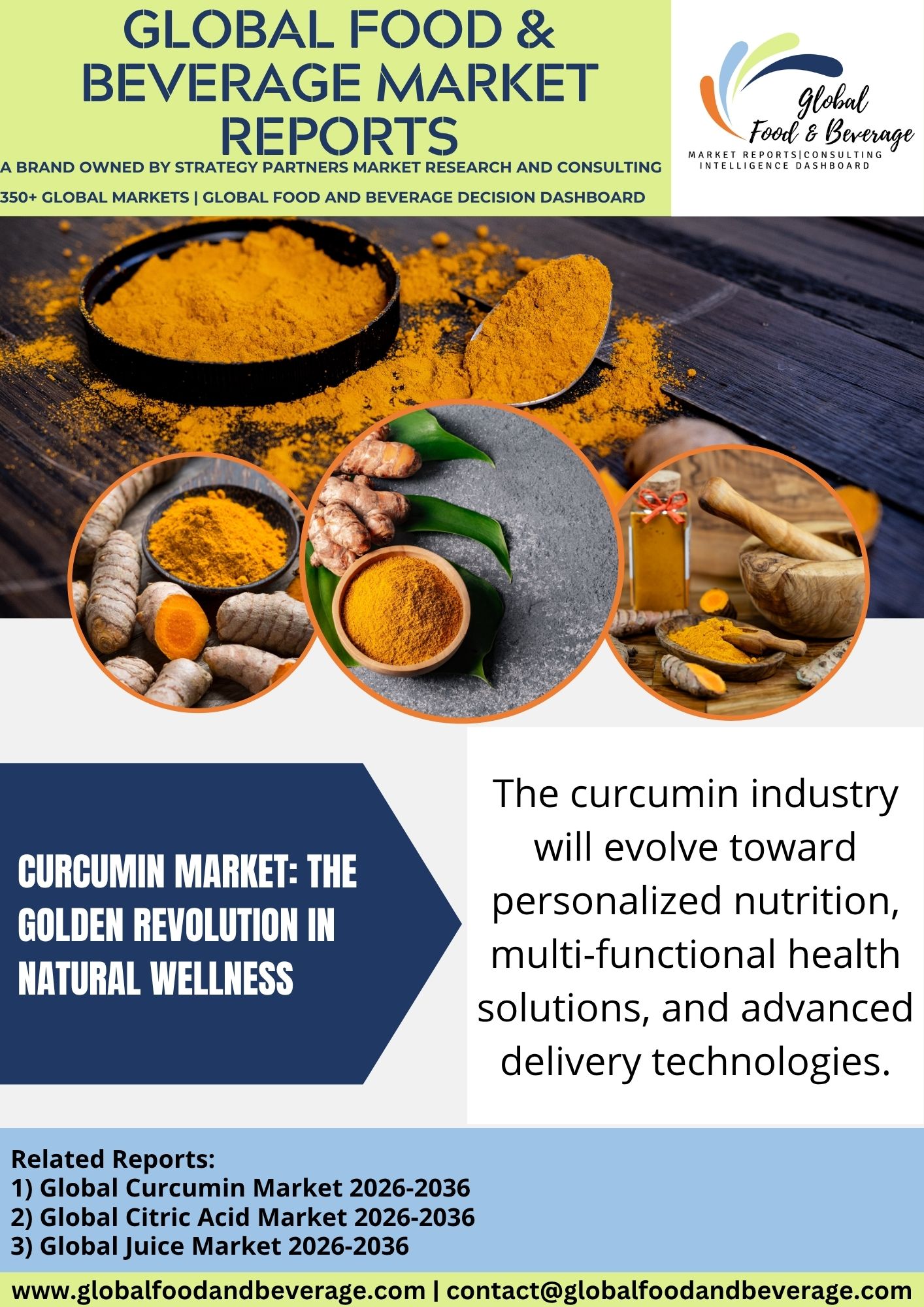
Curcumin Market: The Golden Revolution in Natural Wellness
The curcumin market represents one of the most dynamic sectors in the global natural health industry, fueled by the extraordinary therapeutic potential of curcumin—the primary bioactive compound found in turmeric (Curcuma longa). This vibrant yellow polyphenol delivers powerful anti-inflammatory, antioxidant, and disease-preventing properties that have captivated consumers worldwide. As preventive healthcare becomes central to modern lifestyles, demand for high-purity curcumin extracts has surged across nutraceuticals, pharmaceuticals, cosmetics, functional foods, and personal care products. The market’s expansion reflects a fundamental shift toward plant-based wellness solutions that offer efficacy without the side effects of synthetic alternatives.
Botanical Origins and Extraction Innovation
Curcumin originates from the dried rhizomes of turmeric plants, native to South Asia and cultivated extensively across India, China, Indonesia, and other tropical regions. India remains the world’s largest producer and consumer, deeply embedding turmeric in Ayurvedic medicine, culinary traditions, and cultural practices for thousands of years.
Extraction technologies have evolved dramatically from traditional solvent-based methods using ethanol or methanol to advanced supercritical CO2 extraction that preserves curcumin’s molecular integrity while eliminating toxic residues. Chromatographic separation isolates curcumin from other curcuminoids like demethoxycurcumin and bisdemethoxycurcumin, achieving purity levels exceeding ninety percent for pharmaceutical-grade applications.
Cold-pressing techniques preserve natural enzymatic activity, while microencapsulation and nanoemulsification overcome curcumin’s notorious poor water solubility. Micellar formulations trap curcumin in lipid spheres, enhancing bioavailability by up to ten times compared to standard powders. Phospholipid complexes form curcumin-phosphatidylcholine blends that traverse cell membranes efficiently. Fermentation using engineered microbes offers sustainable alternatives to plant extraction, scaling production without agricultural constraints.
Quality assurance employs high-performance liquid chromatography testing to verify curcuminoid concentration, ensuring batch consistency and regulatory compliance.
Biochemical Power Translating to Health Benefits
Curcumin’s molecular structure features two phenolic rings connected by a seven-carbon chain with reactive ketone groups, enabling it to neutralize free radicals by donating electrons and stabilizing reactive oxygen species. This antioxidant capacity shields cells from oxidative damage, slowing aging processes and reducing risks of chronic diseases including cardiovascular disorders, diabetes, and neurodegenerative conditions.
Anti-inflammatory effects stem from curcumin’s inhibition of NF-kB, a master protein complex triggering inflammatory cascades throughout the body. By blocking this pathway, curcumin reduces production of pro-inflammatory cytokines like IL-6, IL-8, and TNF-alpha, alleviating conditions such as rheumatoid arthritis, asthma, inflammatory bowel disease, and metabolic syndrome. Research suggests curcumin modulates multiple signaling pathways involved in cancer development, inducing apoptosis in malignant cells while sparing healthy tissue, and enhancing sensitivity to chemotherapy drugs.
Cardiovascular benefits include lowering LDL cholesterol oxidation, improving endothelial function, and reducing plaque formation. Neuroprotective properties may delay Alzheimer’s progression by clearing amyloid-beta plaques and reducing brain inflammation. Curcumin also supports mental health by modulating serotonin and dopamine pathways, potentially alleviating depression and anxiety.
Dominant Applications Across Multiple Industries
The pharmaceutical sector dominates curcumin consumption, accounting for the largest share of global demand. Curcumin appears in capsules, tablets, soft gels, and topical ointments targeting inflammation management, joint pain relief, metabolic disorder support, and post-surgical recovery. Anticancer formulations incorporate curcumin as adjunct therapy, enhancing chemotherapy efficacy while reducing side effects like nausea and fatigue.
Nutraceuticals harness curcumin in dietary supplements promoting general wellness, immune system support, stress resilience, and healthy aging. Daily curcumin intake has become routine for health-conscious consumers seeking preventive protection against chronic diseases.
Functional foods integrate curcumin into beverages, dairy products, cereals, energy bars, confectionery, and culinary spices, leveraging both its golden hue and proven health claims. The food and beverage segment shows the highest growth potential as consumers seek tasty ways to incorporate wellness into daily routines.
The cosmetics industry embraces curcumin’s remarkable antioxidant, anti-inflammatory, and anti-aging effects in skincare preparations. Serums, creams, lotions, and soaps embed curcumin for skin repair, wrinkle reduction, brightness enhancement, and protection against environmental stressors. Personal care products increasingly feature curcumin in hair care formulations promoting scalp health and reducing inflammation.
Consumer Shifts Accelerating Demand
Wellness trends prioritize natural anti-inflammatories over prescription drugs, especially among aging populations managing arthritis, diabetes, and cardiovascular conditions. Clean-label movements reject artificial additives, colors, and preservatives, favoring plant-derived curcumin in foods and supplements.
Vegan and vegetarian preferences embrace turmeric as a cruelty-free alternative to animal-based therapeutics. Sustainable consumption drives demand for organic, ethically sourced curcumin with transparent supply chains.
Premiumization craves high-purity extracts with certified origins, traceable from farm to finished product. E-commerce platforms deliver samplers globally, while subscription models ensure consistent monthly supply. Social media influencers flaunt golden lattes, turmeric-infused smoothies, and curcumin-spiced meals, normalizing daily consumption across demographics.
Gen Z and millennials exhibit growing interest in preventive health, driving demand for functional foods and supplements featuring curcumin.
Regional Market Dynamics
North America holds the largest market share, fueled by extensive research activities, high health awareness, and strong regulatory frameworks supporting curcumin’s GRAS (Generally Recognized As Safe) status. The United States leads consumption in supplements, functional foods, and pharmaceutical applications.
Asia-Pacific represents the fastest-growing region, with India driving production capacity and cultural acceptance. China and Japan integrate curcumin extensively into traditional medicine systems and functional food products. South Korea emerges as a key market for curcumin-based cosmetics.
Europe shows rapid expansion, particularly in Germany, France, and the UK, where anti-aging products and preventive wellness gains traction. Rising demand for natural ingredients in cosmetics and food drives curcumin adoption.
Emerging economies across Latin America, the Middle East, and Eastern Africa invest heavily in curcumin-based innovations, recognizing the compound’s therapeutic potential and commercial value.
Technological Breakthroughs Enhancing Performance
Advanced delivery systems overcome curcumin’s bioavailability limitations. Liposomal encapsulation, solid dispersions, and self-emulsifying drug delivery systems enhance dissolution rates and absorption. AI-driven formulation optimizes curcumin delivery for specific health outcomes based on individual genetic profiles.
Green extraction employs water-based methods eliminating solvent residues entirely. Biotechnological fermentation scales production sustainably, reducing reliance on agricultural harvests and land use. Blockchain technology traces supply chains transparently, verifying organic certification, fair trade practices, and ethical sourcing from farm to consumer.
Smart packaging extends shelf life by protecting curcumin from light, heat, and moisture degradation.
Market Drivers Fueling Expansion
Rising global health awareness, increasing prevalence of chronic inflammatory diseases, and aging populations drive demand for natural therapeutics. Government health initiatives promoting preventive care support curcumin adoption. Technological advancements in extraction, formulation, and delivery continue enhancing curcumin’s efficacy and stability.
Strategic partnerships between ingredient suppliers, pharmaceutical companies, and food manufacturers accelerate product development and market penetration.
Challenges Facing the Industry
Despite strong demand, challenges include high production costs for high-purity extracts, complex manufacturing processes requiring specialized expertise, and stringent regulatory requirements varying across regions. Curcumin’s low water solubility and rapid metabolism remain scientific hurdles requiring innovative delivery solutions.
Supply chain vulnerabilities affect agricultural availability, while climate change threatens turmeric crop yields. Export restrictions and intellectual property concerns impact international trade.
Future Outlook
The curcumin industry will evolve toward personalized nutrition, multi-functional health solutions, and advanced delivery technologies. Bioengineered curcumin, nano-formulations, and combination therapies with other natural compounds will expand applications. As health priorities shift toward prevention and natural wellness, curcumin will remain a cornerstone compound supporting global health requirements.
The golden revolution in wellness continues, transforming ancient turmeric wisdom into modern life-saving solutions.