Water, the elixir of life, is a fundamental and irreplaceable resource that sustains all living organisms on Earth. Comprising about 60% of the human body, water plays a crucial role in various physiological functions, maintaining hydration, supporting digestion, regulating temperature, and facilitating nutrient transportation.
The Earth itself is often referred to as the “”blue planet“” due to its abundance of water, covering approximately 71% of its surface. This water exists in various forms, from oceans and seas to lakes, rivers, and underground aquifers. It cycles through the atmosphere in processes like evaporation, condensation, and precipitation, forming a dynamic and interconnected system known as the water cycle.
Access to clean and safe drinking water is a fundamental human right and a critical determinant of public health. However, many regions around the world face challenges related to water scarcity, pollution, and inadequate sanitation infrastructure. These issues pose significant threats to both human health and the health of ecosystems.
Biodiversity:
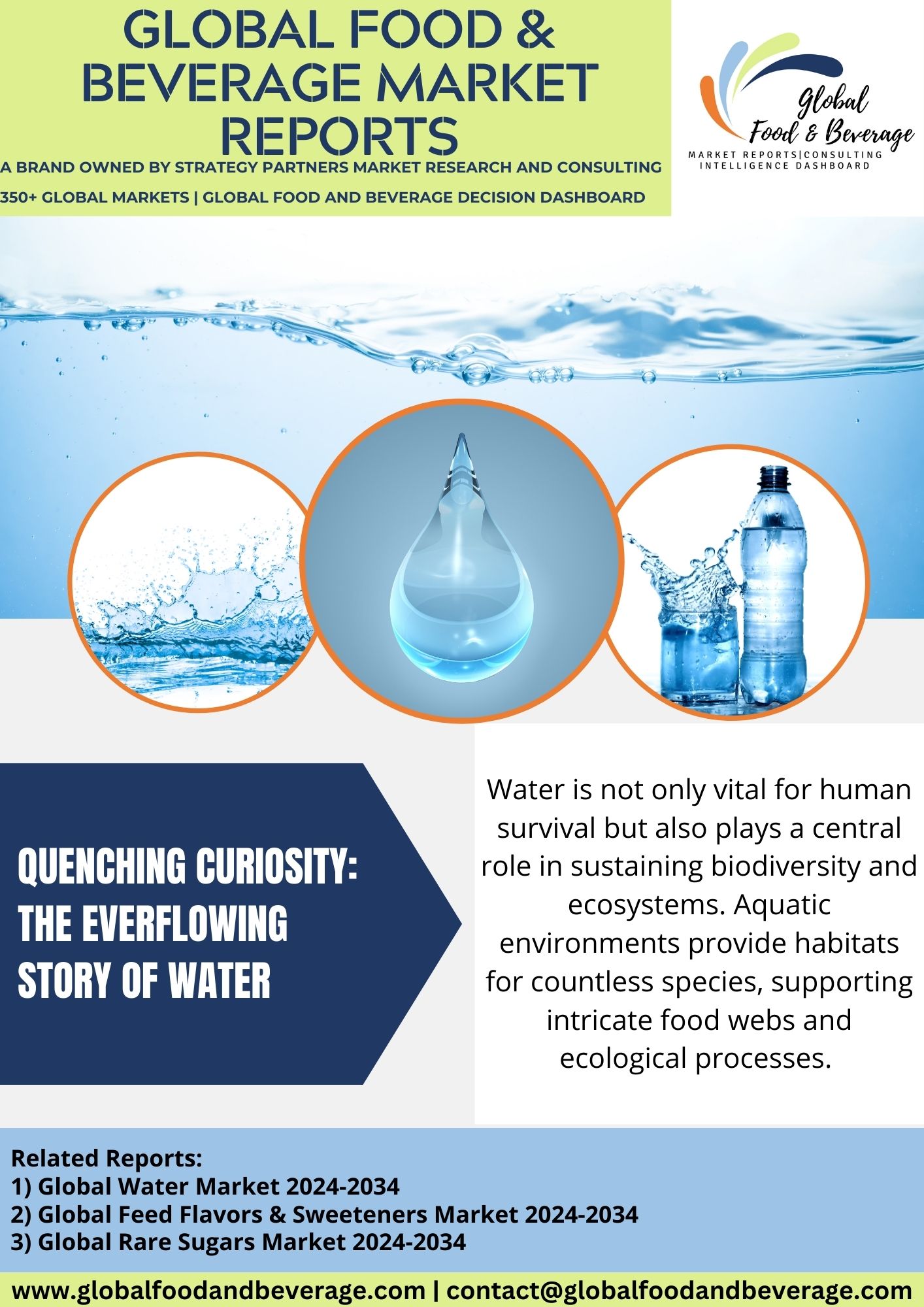
Water is not only vital for human survival but also plays a central role in sustaining biodiversity and ecosystems. Aquatic environments provide habitats for countless species, supporting intricate food webs and ecological processes. Wetlands, for example, act as natural water filters, purifying water and providing breeding grounds for various species.
In addition to its biological importance, water has cultural and symbolic significance across societies. Many civilizations throughout history have settled near water sources, recognizing the importance of rivers and lakes for agriculture, transportation, and trade. Water is often used as a metaphor in literature, art, and religious practices, symbolizing purity, renewal, and the cyclical nature of life.
Despite its abundance, the availability of clean water is a pressing global concern. Climate change, population growth, and unsustainable water use practices pose challenges to water resources management. Sustainable practices, conservation efforts, and technological innovations are crucial for ensuring a future where clean and accessible water is available to all, safeguarding the well-being of both humanity and the planet.
Advancement:
The global advancement of water repr33333esents a multifaceted evolution driven by sustainability efforts, technological innovations, and increased awareness of water-related challenges. Originally considered an abundant resource, water management has evolved to address issues such as scarcity, pollution, and equitable distribution.
One key advancement is the development of water purification technologies that enhance access to clean and safe drinking water. Innovations like advanced filtration systems, desalination processes, and decentralized water treatment solutions contribute to mitigating waterborne diseases and ensuring a more reliable water supply.
Sustainable water management practices have gained prominence, emphasizing conservation, responsible consumption, and ecosystem protection. From rainwater harvesting and efficient irrigation methods to the restoration of wetlands, these practices aim to balance human water needs with environmental sustainability.
Technological advancements in smart water systems leverage data analytics, sensor networks, and artificial intelligence to optimize water distribution, detect leaks, and monitor water quality. These technologies enhance the efficiency of water infrastructure, contributing to more resilient and responsive water systems in urban and rural areas.
Global initiatives promote awareness of water-related challenges, fostering cross-sector collaborations to address issues such as water scarcity, sanitation, and hygiene. These efforts aim to achieve the United Nations Sustainable Development Goal 6: Clean Water and Sanitation, underscoring the global commitment to ensuring access to safe and sustainable water for all.
Challenge:
The water sector faces multifaceted challenges that encompass resource management, environmental sustainability, infrastructure development, and access to clean water. One pressing challenge is water scarcity, exacerbated by population growth, climate change, and mismanagement of water resources. This scarcity affects both quantity and quality, leading to conflicts over water rights and increased competition for limited supplies.
Water pollution poses a significant threat to global water resources. Industrial discharge, agricultural runoff, and inadequate wastewater treatment contribute to the contamination of rivers, lakes, and groundwater. Ensuring water quality for human consumption, agriculture, and ecosystems requires robust regulatory frameworks and investment in water treatment infrastructure.
Infrastructure deficiencies are a critical challenge, particularly in developing regions. Insufficient access to safe sanitation and clean water sources contributes to the spread of waterborne diseases. Addressing this challenge requires substantial investments in infrastructure development, emphasizing both urban and rural areas.
Climate change adds complexity to water challenges. Altered precipitation patterns, extreme weather events, and rising sea levels impact water availability and quality. Adapting water management strategies to mitigate the effects of climate change is essential for ensuring sustainable water resources.
Access to clean water is a persistent global challenge. Millions of people lack access to safe drinking water, leading to health crises and perpetuating cycles of poverty. Achieving universal access to clean water requires a concerted effort to improve infrastructure, promote sustainable water use, and address issues of affordability and equity.
Conclusion:
In conclusion, water stands as life’s essential elixir, underpinning ecological balance and human vitality. Its global significance extends beyond hydration, influencing agriculture, industry, and ecosystems. Despite its ubiquity, challenges such as water scarcity and pollution require urgent attention. The evolution of water management practices, sustainable consumption, and technological innovations are critical for ensuring its availability and quality. As societies grapple with climate change and resource constraints, responsible water stewardship becomes paramount. Recognizing water as a shared global resource necessitates collaborative efforts for conservation, equitable access, and resilient ecosystems, shaping a future where the universal importance of water is safeguarded for generations to come.