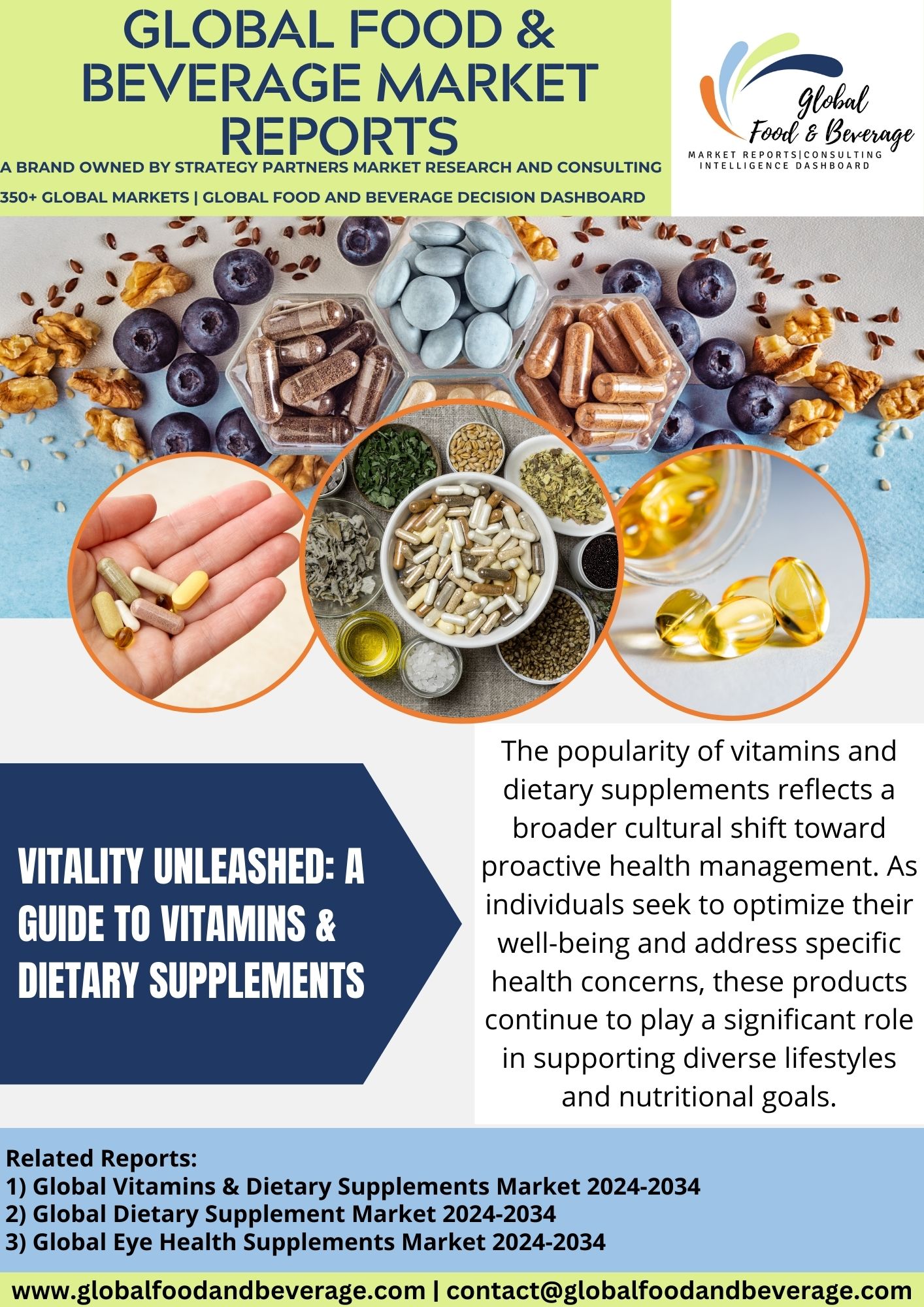
Vitamins & dietary supplements have become integral components of modern wellness regimens, offering individuals a convenient way to complement their diets with essential nutrients that may be lacking. These supplements encompass a diverse range of vitamins, minerals, amino acids, herbs, and other bioactive compounds, each designed to address specific nutritional needs and support overall health.
As awareness of the importance of nutrition in maintaining well-being has grown, so too has the popularity of vitamins & dietary supplements. People turn to these products to fill potential gaps in their diets, accommodate specific dietary preferences, or address lifestyle factors that may impact nutrient intake. The supplement market includes a vast array of formulations, from single-nutrient supplements like vitamin C or calcium to complex multivitamin blends that aim to provide a comprehensive spectrum of essential nutrients.
Multivitamins, in particular, have gained widespread usage as a convenient way to obtain a combination of vitamins and minerals in a single dose. These formulations are often tailored to different demographics, such as children, adults, seniors, or specific gender groups, reflecting the diverse nutritional needs at different life stages.
Dietary Supplements:
Athletes and fitness enthusiasts also turn to dietary supplements to enhance performance and support recovery. Products like protein powders, branched-chain amino acids (BCAAs), and creatine are commonly used to supplement workout routines, aiding in muscle development and overall fitness goals.
While dietary supplements are widely embraced for their potential health benefits, it’s essential for consumers to approach supplementation with caution and knowledge. Consulting healthcare professionals or nutritionists can help ensure that supplement choices align with individual health goals and needs. Additionally, regulations and quality standards in the supplement industry vary, emphasizing the importance of choosing reputable brands that adhere to rigorous manufacturing practices.
The popularity of vitamins & dietary supplements reflects a broader cultural shift toward proactive health management. As individuals seek to optimize their well-being and address specific health concerns, these products continue to play a significant role in supporting diverse lifestyles and nutritional goals.
Advancement:
The global advancement of vitamins & dietary supplements reflects a multifaceted evolution driven by scientific research, consumer awareness, and innovations in formulation and delivery methods. Originally introduced to address nutritional deficiencies, these supplements have expanded their role to cater to diverse health and wellness needs.
One key advancement lies in the formulation of targeted supplements designed for specific health concerns. From immune support to cognitive function and joint health, manufacturers are developing specialized blends that address the nuanced needs of consumers, contributing to the rise of personalized nutrition.
Technological innovations have improved the bioavailability and delivery of vitamins and supplements. Advanced encapsulation techniques, nanotechnology, and liposomal delivery systems enhance nutrient absorption, ensuring that consumers receive optimal benefits from these products.
The global trend toward natural and plant-based solutions has influenced the development of supplements derived from whole foods and botanical extracts. This aligns with consumer preferences for clean-label products, emphasizing transparency and natural sourcing.
The integration of digital technology has played a role in personalized nutrition, with the emergence of apps and wearable devices providing insights into individual health metrics. This data-driven approach allows for more precise recommendations and the customization of supplement regimens based on individual health goals.
Challenge:
The vitamins and dietary supplements industry faces multifaceted challenges that encompass regulatory, market, and consumer dynamics. One notable challenge is the complex regulatory landscape. Different regions have varying regulations regarding the labeling, safety, and efficacy of vitamins and dietary supplements. Navigating these regulatory frameworks requires significant compliance efforts, and any changes in regulations can impact product formulations, marketing claims, and overall market access.
Quality control and product safety are paramount concerns. Ensuring the purity, potency, and consistency of ingredients in vitamins and dietary supplements is crucial for consumer trust and well-being. Contaminations, mislabeling, or quality issues can lead to reputational damage and legal repercussions, emphasizing the need for rigorous quality assurance measures.
Consumer education and skepticism represent challenges in the industry. With an abundance of information available, consumers are becoming more discerning about the products they choose. Building trust and providing transparent information about the science behind supplements are ongoing challenges. Misinformation and skepticism can impact consumer confidence and purchasing decisions.
Market competition is fierce, with numerous brands vying for consumer attention. Product differentiation, innovation, and effective marketing strategies are essential for companies to stand out in a crowded market. Meeting the evolving demands of health-conscious consumers who seek personalized and science-backed solutions adds complexity to product development.
Global supply chain disruptions also affect the industry. The reliance on raw materials from diverse geographic locations makes the sector vulnerable to geopolitical tensions, climate-related events, and transportation issues. Supply chain resilience and contingency planning are critical for maintaining a consistent supply of ingredients.
Conclusion:
In conclusion, the global market for vitamins & dietary supplements underscores a fundamental shift towards proactive health and wellness. As consumers increasingly prioritize preventive healthcare, these supplements play a vital role in addressing nutritional gaps and supporting overall well-being. The industry’s dynamic growth is fueled by diverse formulations, including herbal and specialty supplements, aligning with evolving consumer preferences. However, ongoing scrutiny regarding efficacy, safety, and regulatory compliance poses challenges. Amidst the quest for personalized nutrition, the continuous exploration of innovative ingredients and delivery methods will shape the future of vitamins and dietary supplements, solidifying their status as essential components in the pursuit of holistic health.