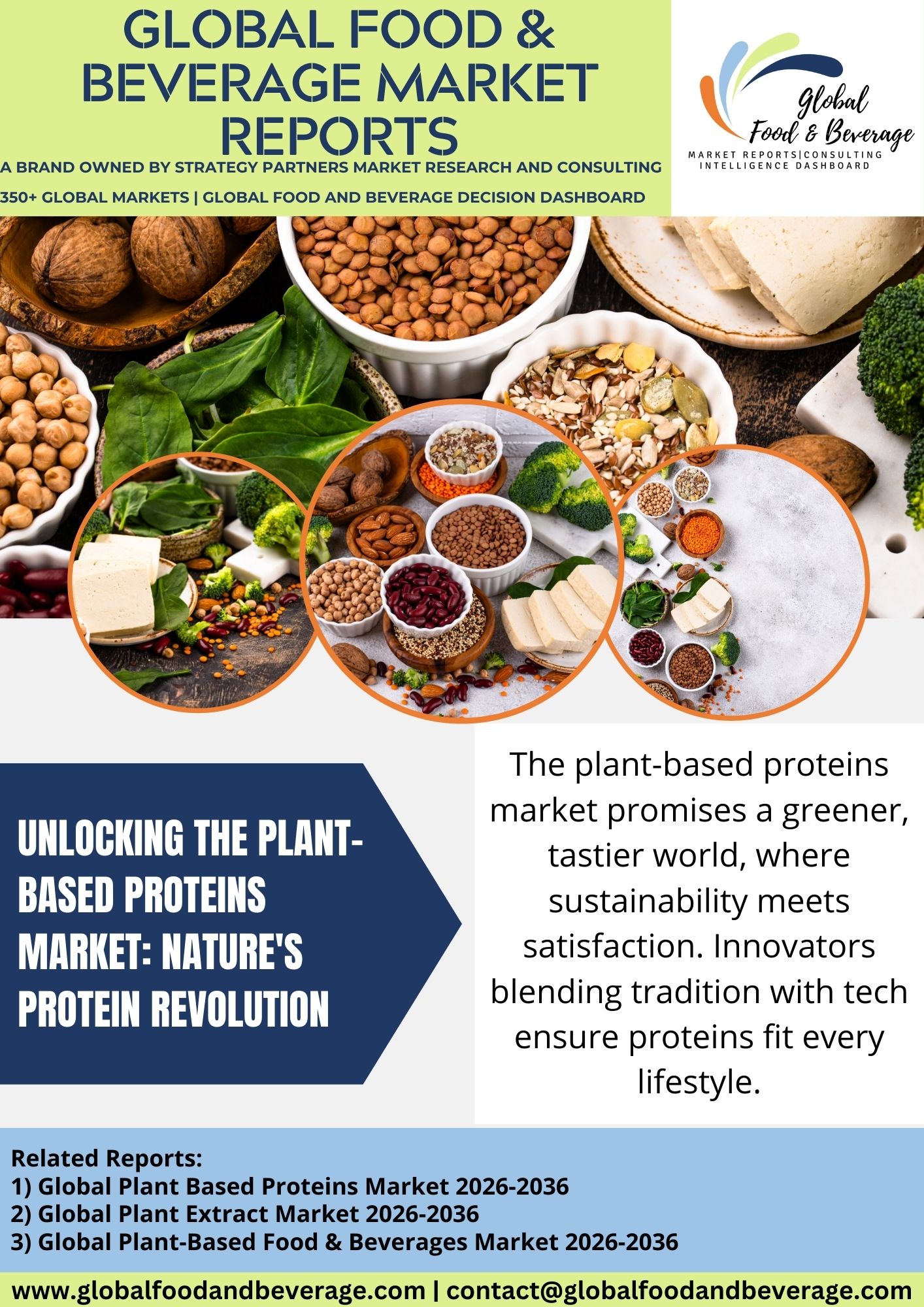
Plant-based proteins have emerged as a cornerstone of modern food innovation, offering sustainable alternatives to traditional animal sources. Derived from peas, soy, lentils, and emerging crops like hemp and chickpeas, these proteins cater to health-conscious consumers, flexitarians, and vegans alike. This vibrant market blends culinary creativity with environmental stewardship, reshaping pantries and production lines worldwide.
What Defines Plant-Based Proteins
Plant-based proteins extract nourishment from legumes, grains, and seeds, harnessing natural amino acids without animal origins. Pea protein leads with its neutral taste and versatile texture, ideal for shakes, burgers, and bakery goods. Soy remains a staple for its complete protein profile, while rice and hemp offer allergen-free options for sensitive eaters.
Processing transforms raw plants into powders, isolates, and concentrates through gentle milling and separation. This preserves fiber, vitamins, and minerals, creating clean-label ingredients free from cholesterol. Unlike animal proteins, plant versions boast lower environmental footprints, appealing to eco-aware brands and shoppers.
Functional benefits shine in sports nutrition and meal replacements, where they mimic meat’s chew or dairy’s creaminess. Innovators focus on solubility and mouthfeel, ensuring seamless blending into smoothies, bars, and ready meals.
Driving Consumer Shifts
Health awareness propels the market as people seek heart-friendly, digestible options amid rising wellness trends. Flexitarians—those blending plant and occasional animal foods—dominate, drawn to proteins that support muscle building without digestive strain. Sustainability resonates deeply, with plant sourcing using less water and land than livestock.
Ethical concerns over animal welfare fuel vegan adoption, especially among younger generations prioritizing compassion. Allergen-free demands spotlight soy-free and gluten-free varieties, opening doors for pea, lentil, and pumpkin seed proteins. Cultural fusion in Asia-Pacific blends traditional pulses with modern formats, boosting local appeal.
Retailers respond with eye-catching packaging and in-store tastings, while social media amplifies success stories of flavorful swaps.
Production Innovations
Manufacturing evolves with precision fermentation and extrusion tech, crafting whole-cut meats from pea and fava blends. New facilities in North America and Europe ramp up capacity for dairy-free cheeses and jerky-style snacks. Clean-label processing avoids harsh chemicals, emphasizing non-GMO crops and organic certification.
Hemp and chickpea proteins surge due to superior yields and nutty flavors, diversifying beyond soy dominance. Upcycling food byproducts—like oat husks—cuts waste, aligning with circular economy goals. Regional hubs in India and China leverage abundant legumes for export-ready powders.
Scalable tech ensures affordability, bridging premium niches with everyday grocery aisles.
Market Players and Strategies
Established giants partner with agile startups to launch hybrid products, from protein-enriched yogurts to pasta. Pea protein pioneers dominate meat analogs, while sports brands champion hemp for recovery blends. E-commerce platforms and subscription services deliver variety straight to doors.
Strategic acquisitions secure supply chains, locking in pulse crops amid volatile weather. Collaborations with chefs refine textures, making plant proteins indistinguishable from animal counterparts. Private labels expand reach, offering budget-friendly entry points.
Key Applications Across Industries
Foodservice thrives on plant-based burgers and nuggets, sizzling in fast-casual spots. Beverages incorporate isolates for silky lattes and energy drinks, targeting gym-goers. Bakery rises with protein-packed breads and cookies, enhancing nutrition without altering taste.
Sports nutrition leads innovation, with powders and bars fueling workouts. Pet food explores plant blends for sustainable kibble. Beauty and pharma tap proteins for collagen alternatives and supplements.
Versatility spans snacks, cereals, and condiments, embedding proteins everywhere.
Navigating Challenges
Sensory hurdles persist—beany aftertastes and gritty textures demand ongoing R&D. Regulatory clarity on labeling builds trust, distinguishing plant from animal claims. Supply disruptions from climate push diversified sourcing to Africa and Latin America.
Cost parity lags in some regions, but scale and tech close the gap. Educating consumers on complete proteins counters myths, emphasizing blends for balanced nutrition.
Emerging Trends to Watch
Functional mushrooms and fermented plants add umami and gut health perks. Precision tech ferments pea proteins into dairy mimics, slashing allergens. Asia-Pacific surges with culturally attuned flavors like miso-infused bars.
Zero-waste packaging and regenerative farming enhance eco-credentials. Sports segments explode with ready-to-drink shakes, capturing urban fitness crowds. Global veganism intertwines with plant proteins, mainstreaming alternatives.
Regional Hotspots
North America pioneers’ meat analogs, backed by investor fervor. Europe emphasizes organic and clean-label, with strong regulatory support. Asia-Pacific leverages pulses for affordable staples, eyeing export growth.
Latin America contributes fava and mung innovations, while Africa explores indigenous seeds.
Future Horizons
The plant-based proteins market promises a greener, tastier world, where sustainability meets satisfaction. Innovators blending tradition with tech ensure proteins fit every lifestyle. As adoption deepens, expect bolder flavors and broader access, nourishing bodies and planet alike.