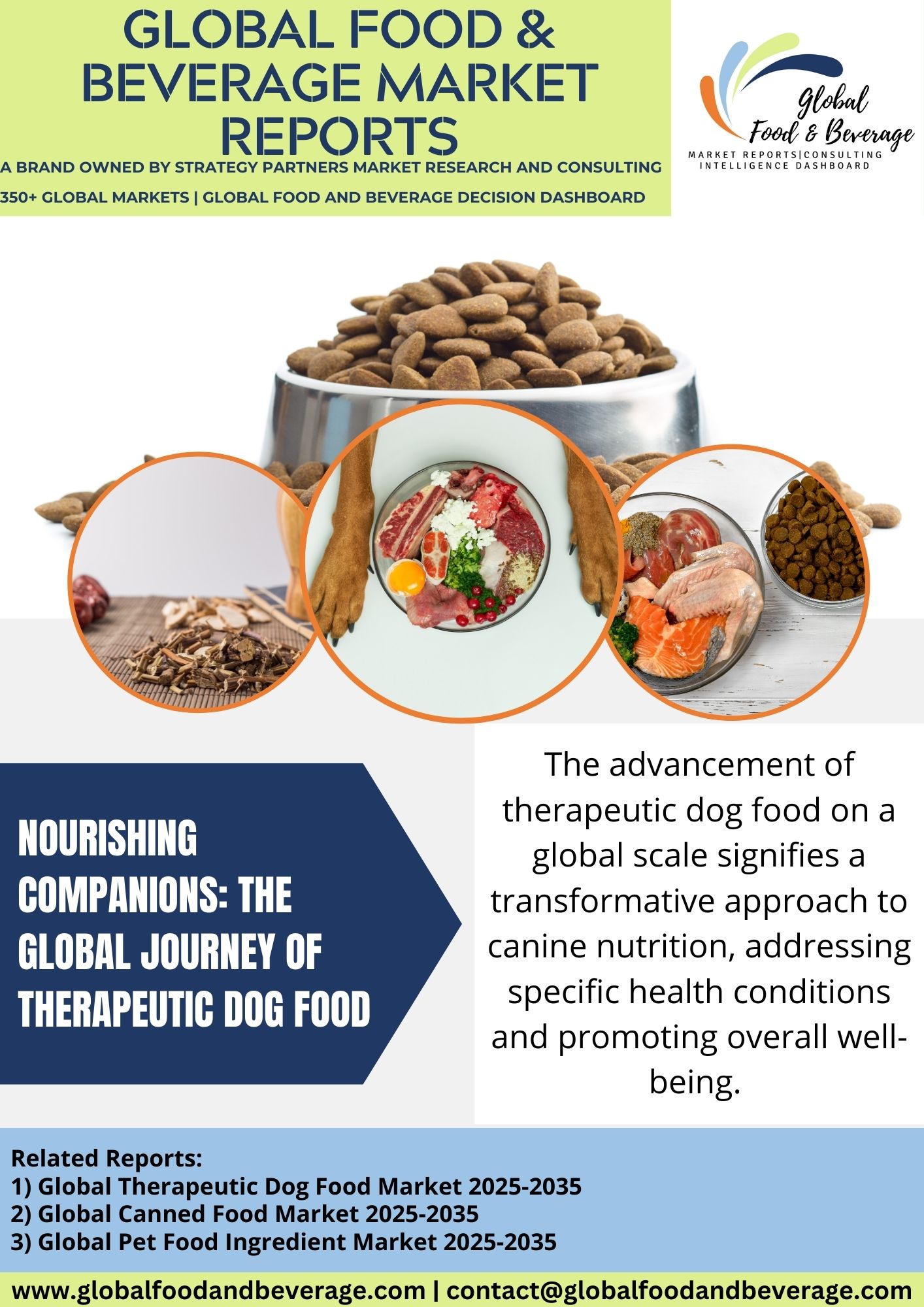
Therapeutic dog food, a specialized category within the pet food industry, is formulated to address specific health conditions and dietary needs in dogs. Designed in collaboration with veterinarians and pet nutritionists, therapeutic dog food aims to provide comprehensive nutrition while supporting the management of various health issues.
One common focus of therapeutic dog food is addressing canine dietary sensitivities and allergies. Formulations often feature novel protein sources and limited ingredient lists to minimize the risk of triggering allergic reactions in dogs with food sensitivities. Additionally, specialized diets may include ingredients that support digestive health and reduce the risk of gastrointestinal issues.
Weight management is another critical area addressed by therapeutic dog food. Overweight or obese dogs may require a carefully balanced diet to help them achieve and maintain a healthy weight. These formulations often have controlled calorie content, increased fiber for satiety, and added nutrients to support weight loss without compromising essential nutrition.
Dogs with specific medical conditions, such as kidney disease, diabetes, or urinary tract issues, benefit from therapeutic diets tailored to their unique needs. These formulations may include adjusted levels of key nutrients, controlled mineral content, and specialized ingredients to support the management of these conditions.
Joint health is a common concern, particularly in older dogs or breeds prone to musculoskeletal issues. Therapeutic dog foods for joint health often contain ingredients like glucosamine and chondroitin, known for their potential to support joint function and alleviate symptoms of arthritis.
Global demand for therapeutic dog food has grown as pet owners increasingly prioritize the health and well-being of their furry companions. The availability of these specialized diets reflects a commitment to proactive pet care, allowing owners to address specific health concerns and provide tailored nutrition to enhance their dogs’ quality of life. As veterinary science and pet nutrition continue to advance, therapeutic dog food remains a crucial component in the overall care and management of dogs with diverse health needs.
Advancement:
The advancement of therapeutic dog food on a global scale signifies a transformative approach to canine nutrition, addressing specific health conditions and promoting overall well-being. This specialized category of dog food has evolved through a combination of scientific research, veterinary expertise, and a growing understanding of the role nutrition plays in supporting canine health.
One significant advancement is the formulation of therapeutic dog foods tailored to address various health concerns. Specific diets cater to conditions such as food allergies, digestive issues, joint problems, and weight management. These formulations often incorporate targeted nutrients, unique ingredient profiles, and precise calorie control to support the specific needs of dogs with medical conditions.
Scientific breakthroughs in veterinary nutrition have led to the development of therapeutic diets that go beyond basic nourishment. These diets may include functional ingredients like omega-3 fatty acids, antioxidants, and specialized proteins that offer therapeutic benefits, such as reducing inflammation, supporting joint health, or managing chronic diseases.
Global accessibility and awareness of therapeutic dog food have increased, with pet owners and veterinarians recognizing the role of nutrition in managing and preventing various health issues. This global evolution reflects a commitment to enhancing the quality of life for dogs through nutritionally tailored approaches, emphasizing the importance of dietary considerations in supporting canine health.
Challenge:
The therapeutic dog food industry, catering to dogs with specific medical conditions or dietary needs, encounters several challenges on a global scale. One significant challenge is the formulation of specialized diets tailored to diverse health conditions in dogs. As the understanding of canine nutrition and health evolves, there is a continuous need for research and development to create effective therapeutic diets addressing conditions such as allergies, gastrointestinal issues, and obesity.
Regulatory compliance and varying standards across different regions pose a challenge for global market access. Meeting the specific requirements of different countries’ regulatory authorities while maintaining the efficacy of therapeutic formulations can be complex. Navigating diverse regulatory landscapes is crucial for manufacturers aiming to distribute therapeutic dog food on a global scale.
Veterinary recommendations and consumer education are essential challenges in promoting therapeutic dog food. Ensuring that pet owners are aware of the benefits of therapeutic diets and can make informed choices aligning with their pets’ health conditions requires effective communication and collaboration between veterinarians, pet food manufacturers, and retailers.
Cost considerations and pricing sensitivity are challenges for both manufacturers and consumers. Producing high-quality therapeutic dog food with premium ingredients can result in higher production costs. Striking a balance between offering effective therapeutic solutions and making them financially accessible to a broad range of pet owners is a delicate challenge for the industry.
Sourcing and quality control of specialized ingredients are critical challenges. Obtaining consistent supplies of ingredients meeting the stringent standards for therapeutic formulations, such as hypoallergenic proteins or specific nutrient profiles, requires robust supply chain management and quality assurance protocols.
Conclusion:
In conclusion, therapeutic dog food on a global scale plays a vital role in addressing the specific health needs of our canine companions. Tailored to manage various health conditions, from allergies to joint issues, these specialized diets contribute to the overall well-being and longevity of dogs. With advancements in veterinary nutrition, therapeutic dog food reflects a commitment to preventive care and targeted nutritional support. The global market’s growth is indicative of a heightened awareness of pet health, emphasizing the importance of nutrition in enhancing the quality of life for dogs. As a result, therapeutic dog food remains a cornerstone in the evolving pet care landscape.”