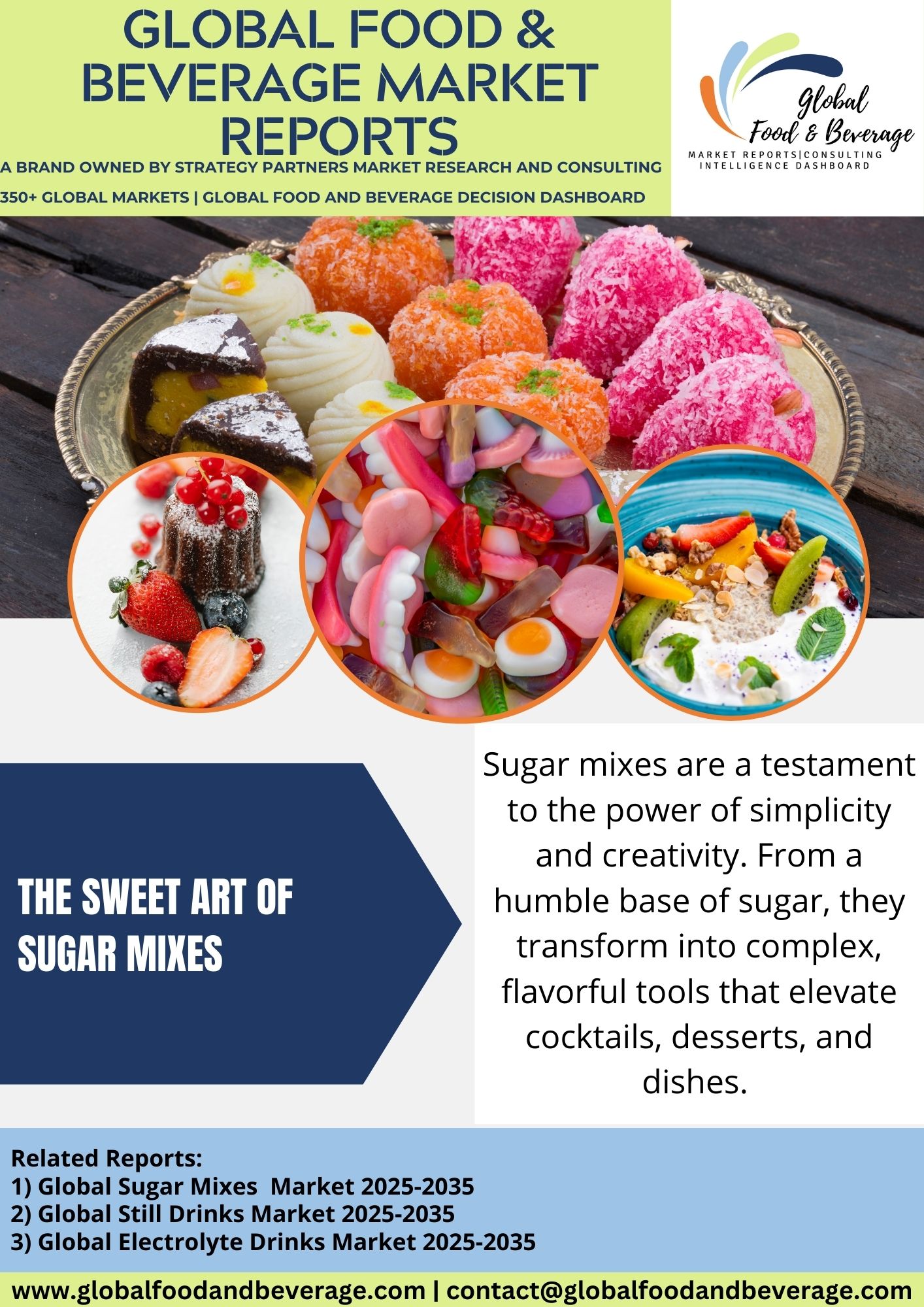
Sugar mixes, those delightful blends of sweetness and flavor, have become a cornerstone of modern mixology, baking, and culinary creativity. Far beyond simple granulated sugar, these versatile concoctions elevate cocktails, desserts, and even savory dishes with bursts of aroma, taste, and texture. From infused syrups to flavored sugars, sugar mixes offer endless possibilities for home cooks, bartenders, and chefs. This blog explores the world of sugar mixes, diving into their history, types, creation process, and inventive ways to use them.
A Sweet History
Sugar has been a prized commodity for centuries, shaping trade routes and cuisines across the globe. Originating in ancient India, it spread through Persia, the Arab world, and eventually Europe, where it transformed from a luxury to a household staple. The concept of sugar mixes likely emerged as people began experimenting with this versatile ingredient, blending it with spices, herbs, and fruits to enhance its flavor.
In medieval times, apothecaries mixed sugar with medicinal herbs to make remedies more palatable. By the Renaissance, sugar was sculpted into elaborate centerpieces for royal feasts, showcasing its decorative potential. The modern era of sugar mixes, however, owes much to the craft cocktail movement and the rise of artisanal baking, where infused syrups and flavored sugars became tools for innovation. Today, sugar mixes are celebrated for their ability to add depth and personality to both food and drink.
What Are Sugar Mixes?
Sugar mixes encompass a range of sweetened preparations, including syrups, infused sugars, and compound sweeteners. They are crafted by combining sugar—whether granulated, brown, or liquid—with complementary ingredients like spices, herbs, fruits, or even florals. The result is a product that enhances flavor, adds complexity, and sometimes introduces visual appeal.
Syrups, such as simple syrup or its flavored cousins, are made by dissolving sugar in water, often with added ingredients like vanilla, cinnamon, or citrus zest. Flavored sugars, on the other hand, involve blending granulated sugar with dry ingredients, such as dried lavender or ground spices, to create a textured topping or rimming sugar. Compound sweeteners, like honey infused with herbs, bridge the gap between liquid and dry mixes. Each type offers unique applications, making sugar mixes a versatile tool in the kitchen and bar.
Crafting the Perfect Sugar Mix
Creating sugar mixes is both an art and a science, requiring a balance of creativity and precision. The process begins with choosing a base sugar. Granulated white sugar is neutral and versatile, while brown sugar adds molasses depth, and raw sugars like turbinado bring subtle caramel notes. Liquid bases, like honey or agave, offer a smoother texture for syrups.
Making Simple Syrup
Simple syrup, the foundation of many sugar mixes, is made by combining equal parts sugar and water, then heating until dissolved. To elevate it, add ingredients during the heating process. For example, steeping fresh rosemary or crushed berries in the mixture infuses it with flavor. Once cooled, the syrup is strained and ready for use in cocktails, coffee, or desserts.
Infusing Sugars
Flavored sugars are simpler to make but require patience. Blend granulated sugar with dried ingredients, such as vanilla bean seeds, dried citrus peel, or ground spices like cardamom. Let the mixture sit for a few days to allow the flavors to meld. The result is a fragrant sugar perfect for dusting pastries, rimming cocktail glasses, or sprinkling over fruit.
Experimenting with Ingredients
The beauty of sugar mixes lies in their customizability. Fresh herbs like mint or basil create vibrant syrups for summer drinks. Spices like star anise or cloves lend warmth to winter cocktails. Fruits, whether fresh, dried, or zested, add brightness and color. Even edible flowers, like rose petals or hibiscus, can transform a sugar mix into something ethereal.
Balance is key. Too much of a strong ingredient, like chili or lavender, can overpower the mix. Start with small amounts, taste as you go, and adjust to achieve harmony. Quality also matters—fresh, high-quality ingredients yield the best results.
Types of Sugar Mixes
The world of sugar mixes is diverse, with options to suit every palate and purpose. Here are some popular types:
- Herbal Syrups: Infused with rosemary, thyme, or sage, these syrups add earthy notes to cocktails like gin fizzes or savory dishes like roasted vegetables.
- Spiced Sugars: Blends of sugar with cinnamon, nutmeg, or smoked paprika create warm, aromatic toppings for baked goods or coffee.
- Citrus Syrups: Made with lemon, lime, or orange zest, these bright syrups elevate lemonades, margaritas, or cakes.
- Floral Sugars: Lavender or rose-infused sugars bring elegance to shortbread, tea, or champagne cocktails.
- Fruit-Forward Mixes: Syrups made with berries, peaches, or tropical fruits add sweetness and vibrancy to smoothies, sodas, or desserts.
- Savory Blends: Sugars mixed with sea salt, chili, or black pepper create bold contrasts for rimming glasses or seasoning dishes.
Each type opens up new possibilities, encouraging experimentation and creativity.
Using Sugar Mixes in Cocktails
Sugar mixes shine in mixology, where they add depth to classic and modern cocktails. Simple syrup is a bartender’s staple, balancing the acidity of citrus or the bite of spirits. A lavender syrup, for instance, can transform a gin and tonic into a floral masterpiece, while a chili-infused syrup adds heat to a margarita.
Rimming sugars are equally impactful. A glass rimmed with vanilla sugar enhances a martini, while a smoked paprika sugar adds intrigue to a mezcal cocktail. The key is to match the sugar mix to the drink’s profile, ensuring the flavors complement rather than compete.
For non-alcoholic drinks, sugar mixes elevate mocktails, lemonades, and iced teas. A hibiscus syrup in sparkling water creates a refreshing spritzer, while a ginger-infused syrup adds zing to a virgin mojito.
Sugar Mixes in Baking and Cooking
In the kitchen, sugar mixes bring desserts and savory dishes to life. Spiced sugars are perfect for dusting cookies, cakes, or muffins, adding a layer of flavor and texture. A cinnamon sugar topping on apple pie crust or a lavender sugar sprinkle on shortbread can make simple recipes unforgettable.
Syrups are equally versatile. Drizzle a rosemary syrup over a citrus tart for a sophisticated twist, or use a berry syrup as a glaze for cheesecake. In savory cooking, sugar mixes can balance flavors in glazes for meats or dressings for salads. A honey-thyme syrup, for example, pairs beautifully with roasted root vegetables.
Pairing Sugar Mixes with Food and Drink
When pairing sugar mixes, consider the dish or drink’s dominant flavors. Citrus syrups complement seafood or light desserts, while spiced sugars enhance rich, hearty dishes like pumpkin pie or braised pork. Floral sugars pair well with delicate flavors, such as white chocolate or fresh fruit, while savory blends work with bold cheeses or grilled meats.
In cocktails, match the sugar mix to the spirit. Gin loves herbal and floral notes, while bourbon pairs well with warm spices or caramelized sugars. Experimentation is key—try small batches to find the perfect combination.
The Craft Movement and Sugar Mixes
The rise of craft distilleries and artisanal food producers has fueled interest in sugar mixes. Small-batch makers are creating unique syrups and sugars, often using local or foraged ingredients. These products tell a story, connecting consumers to the land and the people behind them.
Many craft producers also emphasize sustainability, using organic sugars or eco-friendly packaging. This aligns with the growing demand for transparency and quality in food and drink.
The Future of Sugar Mixes
As culinary creativity continues to evolve, sugar mixes are poised to grow in popularity. Home mixologists and bakers are experimenting with bold flavors, from matcha-infused sugars to saffron syrups. The rise of global cuisines is also inspiring new combinations, like lemongrass syrups or cardamom sugars.
Sustainability will likely shape the future, with more producers focusing on ethically sourced ingredients. Technology, too, may play a role, with tools like molecular gastronomy pushing the boundaries of how sugar mixes are created and used.
Conclusion
Sugar mixes are a testament to the power of simplicity and creativity. From a humble base of sugar, they transform into complex, flavorful tools that elevate cocktails, desserts, and dishes. Whether you’re a home cook, a professional chef, or a cocktail enthusiast, sugar mixes offer a world of possibilities. So, grab some sugar, pick your favorite flavors, and start experimenting—the sweet results will speak for themselves.