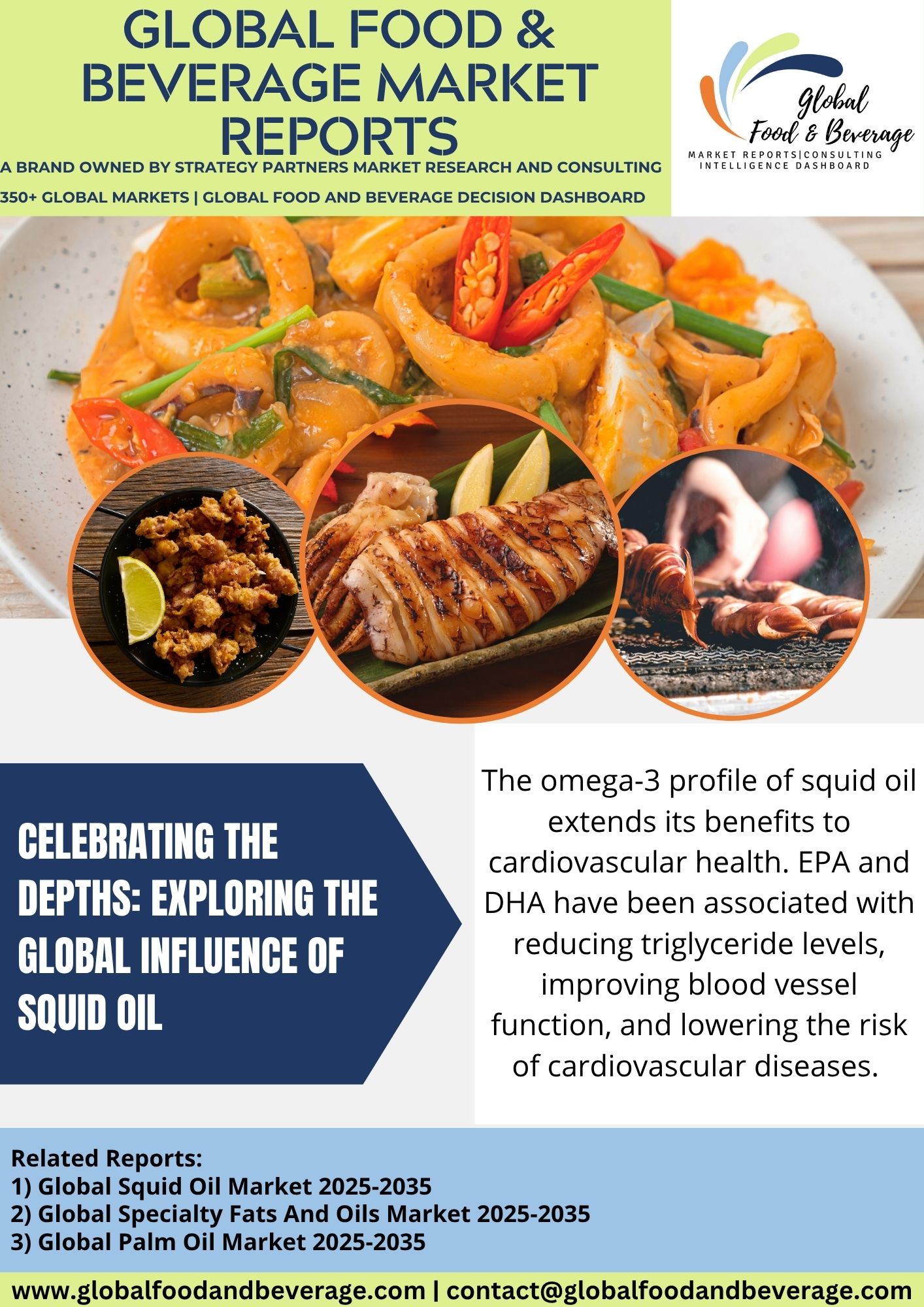
Squid oil, derived from the tissues of squid, is gaining attention on the global market for its potential health benefits and diverse applications. Also known as calamari oil, squid oil is rich in omega-3 fatty acids, particularly eicosapentaenoic acid (EPA) and docosahexaenoic acid (DHA), which are essential for supporting cardiovascular health, brain function, and overall well-being.
One of the distinguishing features of squid oil is its high concentration of DHA, a fatty acid crucial for the development and maintenance of the brain and nervous system. DHA is recognized for its role in cognitive function, making squid oil an attractive choice for those seeking omega-3 supplementation with a focus on brain health.
The omega-3 profile of squid oil extends its benefits to cardiovascular health. EPA and DHA have been associated with reducing triglyceride levels, improving blood vessel function, and lowering the risk of cardiovascular diseases. Incorporating squid oil into the diet can be a convenient way to obtain these heart-healthy fatty acids.
Beyond its nutritional attributes, squid oil has applications in the pharmaceutical and nutraceutical industries. Omega-3 supplements, often derived from fish oil, have been popular for their health-promoting properties. Squid oil offers an alternative source of omega-3s, particularly suitable for individuals with dietary restrictions or those looking for diverse options in marine-derived oils.
The global market for squid oil is expanding as consumers become increasingly aware of the importance of omega-3 fatty acids in promoting health and preventing various conditions. The sustainability of squid fishing practices is also a consideration, aligning with growing consumer preferences for environmentally friendly and responsibly sourced marine products.
As the awareness of omega-3 benefits continues to rise, squid oil’s unique fatty acid composition positions it as a valuable addition to the array of marine-derived oils available globally, catering to the diverse needs of individuals seeking to optimize their nutritional intake for enhanced health and well-being.
Advancement:
The advancement of squid oil on a global scale has emerged as a noteworthy trend in the realm of nutritional supplements and health-conscious consumers. Squid oil, derived from the tissues of squid, particularly their livers, has gained recognition for its unique composition and potential health benefits.
Rich in omega-3 fatty acids, particularly DHA (docosahexaenoic acid) and EPA (eicosapentaenoic acid), squid oil serves as an alternative marine source of these essential fatty acids. These omega-3s are associated with numerous health benefits, including cardiovascular health, cognitive function, and anti-inflammatory properties.
The global popularity of squid oil can be attributed to its sustainability and efficient harvesting practices. Squid are abundant in the world’s oceans, and their rapid reproduction makes them a resilient and eco-friendly source of omega-3s compared to some traditional fish species.
As consumers increasingly seek alternatives to traditional fish oil supplements, squid oil has carved a niche in the market. Its mild taste and reduced risk of contaminants, such as heavy metals, contribute to its appeal among health-conscious individuals.
The versatile applications of squid oil extend beyond supplements, finding use in the culinary world as a unique cooking oil and flavor enhancer. This adaptability has further fueled its integration into global markets.
Challenge:
The squid oil industry faces various challenges in the global market, influenced by factors such as sustainability concerns, market competition, and regulatory dynamics. One significant challenge is sustainability and responsible sourcing. Squid oil, typically extracted from squid processing by-products, raises concerns about over fishing and the environmental impact on marine ecosystems. Adopting sustainable sourcing practices and ensuring responsible fishing methods is crucial for the long-term viability of the squid oil industry.
Market competition and differentiation pose ongoing hurdles. The market for marine-derived oils, including squid oil, faces competition from other sources such as fish oil and krill oil. Differentiating squid oil products through unique nutritional profiles, quality standards, and marketing strategies is essential for maintaining a competitive edge in the market.
Regulatory compliance and quality control complexities add to the challenges. Ensuring adherence to global regulations regarding food safety, permissible contaminants, and labeling standards requires manufacturers to invest in compliance expertise. Stringent quality control measures are necessary to meet industry standards and ensure consumer safety.
Supply chain vulnerabilities impact the industry. The production of squid oil involves specific raw materials derived from squid processing. Fluctuations in the availability and cost of these raw materials, influenced by factors like fishing yields and environmental conditions, can impact overall production and pricing.
Technological advancements and sustainability practices are critical for success. Developing efficient extraction methods, minimizing waste, and adopting eco-friendly practices in the production process are essential for the squid oil industry to meet sustainability goals and maintain competitiveness.
Conclusion:
In conclusion, the global squid oil market is witnessing notable growth, driven by the increasing recognition of its nutritional benefits and versatile applications. Squid oil, rich in omega-3 fatty acids, finds use in supplements, pharmaceuticals, and the food industry. The industry’s focus on sustainable fishing practices and the demand for marine-derived functional ingredients contribute to market expansion. As consumers prioritize health and wellness, the unique nutritional profile of squid oil positions it as a valuable component in various products. Ongoing research and development initiatives continue to explore its potential, offering opportunities for manufacturers to capitalize on the growing interest in marine-based nutritional solutions worldwide.