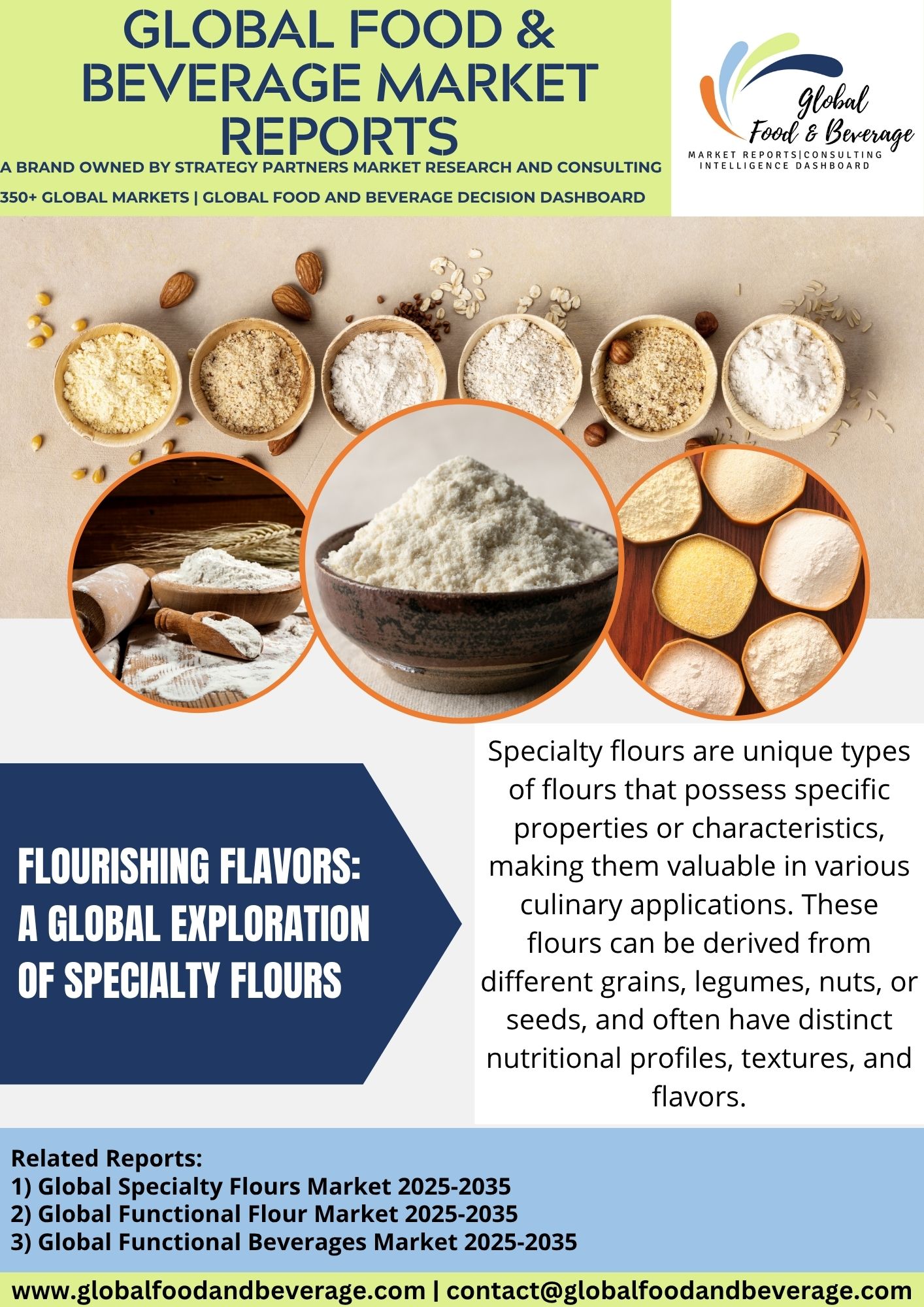
Specialty flours have gained prominence in the global market, offering a diverse range of alternatives to traditional wheat flour to meet the evolving dietary preferences and nutritional needs of consumers. These flours, derived from various grains, seeds, and legumes, bring unique flavors, textures, and nutritional profiles to a wide array of food products.
One notable category within specialty flours is gluten-free flours. With the rise in gluten sensitivity and the popularity of gluten-free diets, flours made from grains such as rice, corn, quinoa, and legumes like chickpeas and lentils provide viable alternatives for individuals seeking gluten-free options. These flours are instrumental in the production of gluten-free baked goods, pasta, and other gluten-free products.
Ancient grains, including spelt, amaranth, teff, and einkorn, are another segment of specialty flours that has gained traction. These grains, known for their ancient origins and unique nutritional profiles, offer distinct flavors and textures. They contribute to the production of artisanal and specialty baked goods, providing consumers with a variety of choices beyond conventional wheat-based products.
Application:
Nut flours, such as almond flour and coconut flour, have become popular choices for those seeking alternative baking options. These flours impart a rich, nutty flavor and contribute to the moist texture of baked goods. They are often utilized in gluten-free and paleo-friendly recipes.
Specialty flours are not limited to the realm of baked goods; they also play a role in enhancing the nutritional content of various products. For example, flours made from pulses like chickpeas and peas are rich in protein and fiber, making them valuable ingredients in plant-based protein formulations, snacks, and gluten-free products.
As consumers become more conscious of their dietary choices and explore diverse culinary experiences, the global market for specialty flours continues to expand. The versatility of these flours allows for innovation in product development, catering to the demand for diverse, flavorful, and nutritionally enriched food options.
Advancement:
The global evolution of specialty flours represents a transformative journey in the food industry, as these unique flours undergo innovative advancements to meet the diverse demands of modern consumers. Specialty flours, derived from a variety of grains, seeds, and legumes, have witnessed remarkable progress in terms of processing techniques, nutritional enhancements, and expanded applications.
One noteworthy development is the rise of gluten-free specialty flours to cater to individuals with gluten sensitivities or those following gluten-free diets. Advanced milling and processing technologies ensure that these flours maintain high quality and functionality, allowing for the creation of gluten-free products with appealing textures and flavors.
Furthermore, specialty flours have embraced nutritional fortification, addressing the growing focus on health-conscious eating. Enriched with vitamins, minerals, and functional components, these flours offer an enhanced nutritional profile, contributing to the development of foods that not only taste good but also provide added health benefits.
The global landscape of specialty flours is characterized by a diverse range of options, including ancient grain flours, nut flours, and legume flours. These flours are celebrated for their unique flavors, textures, and nutritional attributes, influencing the culinary landscape and meeting the rising demand for diverse and healthier food choices worldwide.
Challenge:
The specialty flours industry encounters challenges in the global market shaped by factors such as changing consumer preferences, dietary trends, and supply chain dynamics. One significant challenge is meeting diverse dietary needs. As consumers increasingly adopt specialized diets like gluten-free, keto, or paleo, the specialty flours industry must innovate to offer a variety of flour options that cater to these specific dietary preferences while maintaining functionality in various applications.
Supply chain vulnerabilities impact the industry. The production of specialty flours involves specific raw materials, and ensuring a stable supply chain is crucial. Factors such as weather conditions, agricultural practices, and geopolitical issues can influence the availability and cost of key ingredients, affecting overall production and pricing.
Quality consistency and traceability are ongoing hurdles. Maintaining consistent quality across batches and providing traceability of specialty flours from source to end product are challenges for the industry. This is especially important as consumers become more concerned about the origin and quality of their food.
Regulatory compliance and labeling complexities add to the challenges. Different regions have varying regulations regarding nutritional claims, permissible ingredients, and labeling standards for specialty flours. Navigating these diverse standards requires manufacturers to invest in compliance expertise to ensure market access and consumer trust.
Technological advancements and product innovation are critical for success. Developing new specialty flours with improved nutritional profiles, enhanced functionality, and diverse applications requires ongoing research and investment in technology. Staying ahead of technological advancements and market trends is crucial for remaining competitive in the dynamic specialty flours market.
Conclusion:
In conclusion, the global market for specialty flours is thriving, driven by the demand for diverse and high-quality flour options catering to specific dietary needs and culinary preferences. Specialty flours, including gluten-free, ancient grain, and alternative grain varieties, meet the evolving consumer demand for healthier and unique baking and cooking experiences. The industry’s response to gluten-free trends, coupled with a focus on nutritional profiles and sustainable sourcing, contributes to market expansion. As consumers experiment with diverse cuisines and seek functional ingredients, the specialty flours market offers ongoing opportunities for manufacturers to innovate, providing versatile and high-performance flours that align with the dynamic demands of the global food industry.