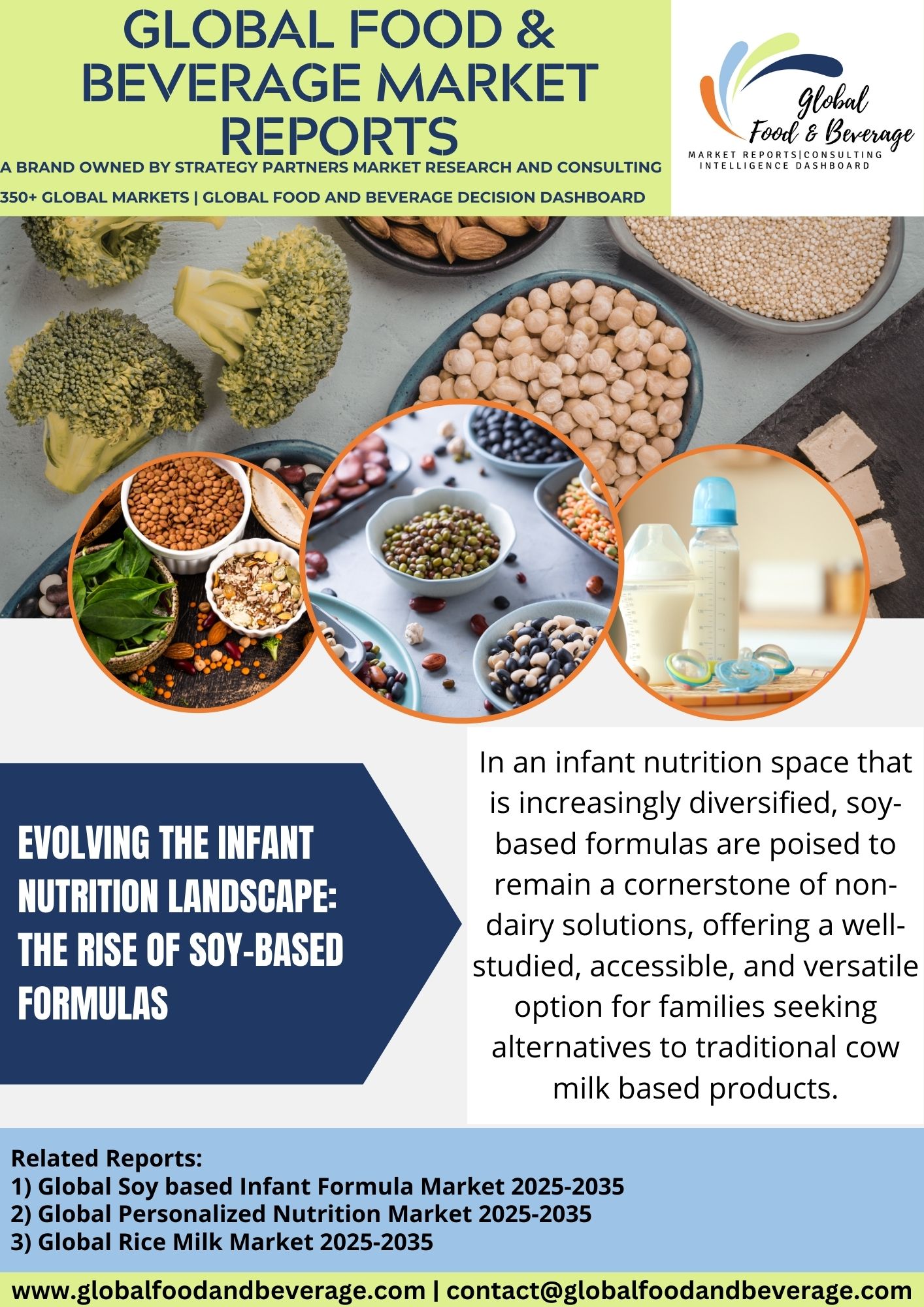
Soy based Infant Formula has moved from a niche solution to a mainstream option within infant nutrition, driven by rising awareness of allergies, lifestyle choices, and the broader shift toward plant derived products. For caregivers navigating complex feeding decisions, soy formulas now sit alongside traditional dairy based options as a credible alternative, especially where lactose intolerance or cow milk protein allergy is involved.
What Soy Based Infant Formula Is
Soy based infant formulas use soy protein isolates as the primary protein source instead of cow milk proteins. These products are designed to provide complete nutrition for infants, with added fats, carbohydrates, vitamins, and minerals to support healthy growth and development.
Modern formulations have evolved significantly, with improved protein quality, fortified micronutrients, and better digestibility compared to early versions. Clinical assessments indicate that term infants fed appropriately formulated soy based products can achieve normal growth patterns similar to those seen with standard dairy based formulas.
Key Demand Drivers
Several powerful forces are shaping demand for soy based infant formula within the global baby nutrition landscape.
• Growing recognition of lactose intolerance and cow milk protein allergy in infants has led pediatricians and caregivers to seek non dairy options that still meet stringent nutritional standards.
• Rising interest in vegan, vegetarian, and plant focused lifestyles means some families prefer to avoid animal derived ingredients from the earliest life stages, including formula.
• Heightened parental scrutiny of ingredient lists has boosted preference for clean label, non genetically modified, and often organic soy formulas that emphasize transparency and quality.
• Digital parenting communities and health information platforms are spreading awareness of plant based alternatives, making soy formulas more visible and socially validated among new parents.
Together, these trends are transforming soy based products from a fallback for special medical needs into a proactive choice aligned with broader health and ethical values.
Position Within Infant Formula Landscape
Within the wider infant formula and milk powder market, cow milk based products still account for the majority of consumption, but non dairy options are expanding at a faster pace from a smaller base. Soy based formulas typically account for a modest share of total infant formula volumes, yet they serve a critical niche of infants who either cannot tolerate or should not consume dairy based options.
Growth in plant based infant nutrition includes not only soy, but also emerging alternatives such as coconut, almond, rice, and blended plant proteins, with soy remaining the most established and scientifically characterized option. Innovations such as hybrid formulas that combine dairy with plant proteins also illustrate how brands are experimenting to capture parents who want reduced dairy exposure without fully switching to a plant only solution.
Regional Market Trends
Regional dynamics play a significant role in shaping the profile of the soy based infant formula market.
• In Asia Pacific, expanding middle class populations, rising awareness of infant nutrition, and higher reported rates of lactose intolerance underpin strong uptake of soy formulas. Local manufacturing capacities and supportive regulatory environments further encourage availability and affordability.
• In North America and parts of Europe, demand is closely linked to lifestyle trends, including vegan and flexitarian diets, along with growing concerns around allergens and digestive comfort. Established retail networks and a high level of online purchasing behavior make it easy for parents to access a wide variety of soy based products.
Emerging markets in Latin America, the Middle East, and Africa are gradually seeing increased interest in specialized formulas, although access, price sensitivity, and varying regulatory frameworks influence the pace of adoption.
Product Segmentation And Innovation
The soy based infant formula space mirrors the segmentation seen in mainstream baby nutrition, with products tailored to different life stages, nutritional needs, and usage contexts.
• Stage based formulas support infants from early months through toddlerhood, offering differentiated blends of macronutrients, micronutrients, and functional ingredients such as prebiotics and fatty acids.
• Powder formats dominate due to easier storage, transport, and price advantages, while ready to feed liquid options are gaining momentum among urban caregivers seeking convenience.
• Premium lines emphasize organic, non genetically modified, and clean label credentials, catering to health conscious parents willing to pay more for perceived safety and purity.
Innovation is increasingly focused on improving taste and texture, reducing concerns around phytoestrogens through careful formulation, and integrating additional components like dietary fiber to support gut health. Brands are also leveraging on pack education and digital content to address common questions and build trust in soy based feeding.
Health And Safety Considerations
Soy based infant formulas remain one of the most researched non dairy options in pediatric nutrition, but they still attract questions from parents and clinicians. Studies comparing soy fed infants with those consuming cow milk formulas or breast milk generally indicate comparable growth outcomes in healthy term infants when products are used as directed.
Concerns often center on phytoestrogens, mineral absorption, and long term hormonal or reproductive effects, prompting ongoing monitoring and periodic scientific reviews. Regulatory authorities and professional bodies in many regions consider modern soy formulas acceptable for specific indications, especially for infants with galactosemia, lactose intolerance, or documented cow milk protein allergies, while typically emphasizing that breastfeeding remains the preferred feeding method where possible.
For caregivers, close collaboration with pediatric healthcare providers is crucial when selecting soy based formulas, particularly for long term reliance or when managing complex medical conditions. Clear communication around dosage, preparation, and monitoring of growth helps ensure that infants receive safe and adequate nutrition.
Competitive Landscape And Go To Market Strategies
The competitive environment in soy based infant formula includes global nutrition conglomerates as well as regional specialist brands. Many established formula labels have expanded their product portfolios to include soy lines, leveraging existing brand trust and distribution networks built around cow milk based products.
Key players rely on a mix of retail pharmacy channels, supermarkets, baby specialty stores, and increasingly e commerce platforms to reach caregivers. Online marketplaces host a growing assortment of plant based infant formula options, making comparison shopping easier and encouraging niche brands to compete on attributes like ingredient sourcing, sustainability claims, and specific health benefits.
Marketing strategies frequently highlight allergen management, digestive comfort, ethical sourcing, and environmental considerations, reflecting the multidimensional reasons families explore soy based feeding. Content driven outreach, including blogs, social media, and partnerships with parenting influencers, plays a central role in educating audiences and addressing misconceptions.
Future Outlook For The Market
The outlook for the soy based infant formula market is one of steady expansion, supported by converging medical, lifestyle, and market forces. Rising global awareness of food allergies, increased diagnosis of lactose related issues, and growing acceptance of plant based diets suggest that soy based options will retain and strengthen their role within infant nutrition.
At the same time, competition from other plant based formulas and hybrid concepts will likely intensify, pushing manufacturers to differentiate on science backed claims, superior formulation, and sustainability narratives. Continuous investment in clinical research, ingredient innovation, and transparent labeling will be essential to sustain caregiver confidence and regulatory support for soy centered feeding solutions.
In an infant nutrition space that is increasingly diversified, soy based formulas are poised to remain a cornerstone of non dairy solutions, offering a well studied, accessible, and versatile option for families seeking alternatives to traditional cow milk based products.