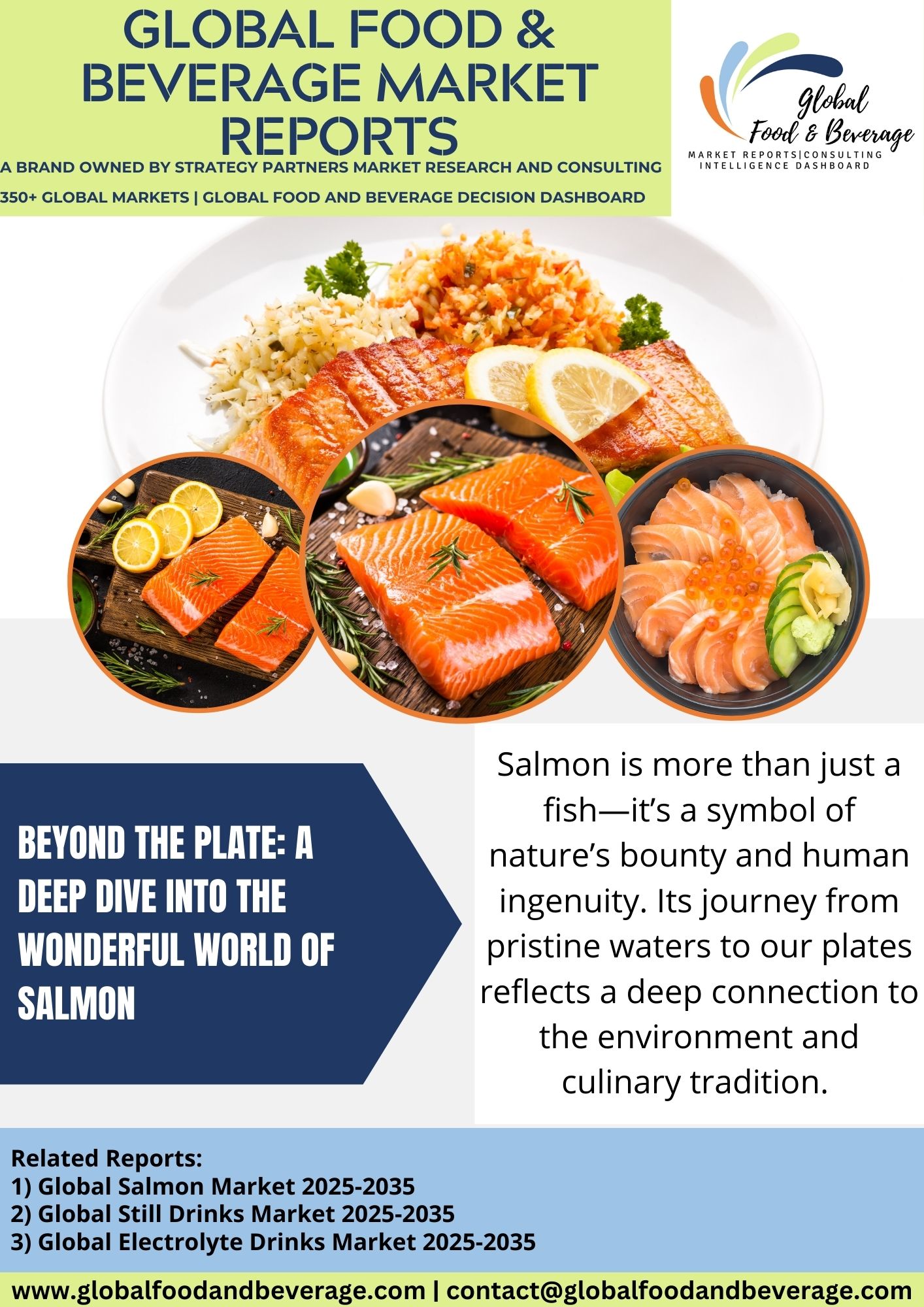
Salmon fish, with its vibrant hue and rich flavor, holds a special place in cuisines around the world. This versatile fish, celebrated for its delicate texture and nutritional benefits, has captivated chefs, home cooks, and food enthusiasts alike. From its journey through rivers and oceans to its starring role on plates, salmon tells a story of nature, culture, and culinary artistry. This blog dives into the world of salmon, exploring its origins, varieties, preparation methods, and the many ways it shines in global gastronomy.
The Journey of Salmon
Salmon is a migratory fish, born in freshwater rivers and streams before venturing into the open ocean, where it grows and matures. After years at sea, it returns to its birthplace to spawn, navigating with remarkable precision. This life cycle, known as anadromy, spans vast distances and showcases the fish’s resilience. Found in both the Atlantic and Pacific Oceans, salmon thrives in cold, clean waters, from the coasts of Norway to the rivers of Alaska and the fjords of Chile.
Historically, salmon has been a vital resource for indigenous communities, particularly in the Pacific Northwest, where it was revered as a symbol of abundance and sustenance. These cultures smoked, dried, and grilled the fish, techniques that remain popular today. In Europe, salmon’s prominence grew with the rise of aquaculture, making it accessible year-round. Its journey from wild rivers to modern farms reflects both its adaptability and its enduring appeal.
Varieties of Salmon
Salmon comes in several species, each with distinct characteristics. The most common include Atlantic, Chinook, Coho, Sockeye, and Pink salmon. Atlantic salmon, often farm-raised, is prized for its mild flavor and buttery texture, making it a favorite for raw preparations like sushi or ceviche. Chinook, also known as King salmon, boasts a high fat content and a robust, almost steak-like quality, perfect for grilling. Coho offers a balanced flavor, while Sockeye’s deep red flesh and intense taste shine in smoked dishes. Pink salmon, smaller and leaner, is often canned but still delicious in salads or patties.
Each variety brings something unique to the table, influenced by its environment and diet. Wild salmon, feeding on marine life like krill, often has a more pronounced flavor and firmer texture than its farmed counterparts. Farmed salmon, however, tends to be more consistent in size and availability, with a milder taste that appeals to a broad audience. The choice between wild and farmed often comes down to preference, sustainability concerns, and culinary goals.
Nutritional Powerhouse
Salmon’s popularity isn’t just about taste—it’s also a nutritional standout. Rich in omega fatty acids, it supports heart and brain health, making it a favorite among health-conscious eaters. It’s also packed with protein, vitamins, and minerals like vitamin D and selenium. These nutrients contribute to its reputation as a superfood, offering benefits from improved mood to stronger immunity.
The fish’s vibrant color comes from astaxanthin, a powerful antioxidant found in its natural diet. This compound not only gives salmon its signature pink-orange hue but also adds to its health benefits. Whether grilled, baked, or eaten raw, salmon delivers a satisfying meal that nourishes both body and palate.
Preparing Salmon: Techniques and Tips
Salmon’s versatility makes it a dream ingredient for cooks of all skill levels. Its natural richness allows it to shine with minimal effort, but it also responds beautifully to creative techniques. Here are some popular ways to prepare it:
Grilling
Grilling salmon imparts a smoky char that complements its natural oils. A simple marinade of olive oil, lemon, and herbs like dill or thyme enhances its flavor without overpowering it. Cook skin-side down first to crisp the skin, then flip briefly to finish. Cedar-plank grilling, a traditional method from the Pacific Northwest, adds a woodsy aroma.
Baking
Baking is a foolproof way to keep salmon moist. A parchment packet or foil wrap seals in juices, while seasonings like garlic, mustard, or honey create a flavorful crust. Slow-baking at a low temperature yields an almost custard-like texture, perfect for delicate dishes.
Pan-Searing
For a crispy exterior and tender interior, pan-searing is ideal. A hot skillet with a touch of oil creates a golden crust, while basting with butter and herbs adds richness. This method works well for fillets or steaks, especially Chinook or Coho.
Raw Preparations
Salmon’s silky texture makes it a star in raw dishes like sushi, sashimi, or ceviche. Freshness is critical here—choose sushi-grade salmon for safety. A citrus marinade or a sprinkle of sea salt and sesame seeds can elevate the experience.
Smoking
Smoked salmon, whether hot or cold-smoked, is a delicacy. Cold-smoked salmon, often seen in lox, has a silky texture and subtle smokiness, perfect for bagels or canapés. Hot-smoked salmon, flakier and more robust, pairs well with salads or creamy sauces.
When preparing salmon, avoid overcooking to preserve its moisture. A slight translucence in the center ensures a tender bite. Fresh herbs, citrus, and simple seasonings let the fish’s natural flavor shine, while bold spices or glazes can add drama for special occasions.
Salmon in Global Cuisines
Salmon’s global appeal is evident in its diverse culinary applications. In Scandinavian cuisine, gravlax—cured with salt, sugar, and dill—is a beloved tradition, served thinly sliced with mustard sauce. In Japan, salmon is a sushi staple, often grilled with teriyaki or salted as shiozake for breakfast. In the Pacific Northwest, indigenous-inspired dishes feature salmon roasted over open fires or smoked for preservation.
In French cuisine, salmon might appear en croûte, wrapped in pastry with herbs and baked to perfection. In South America, Chilean salmon often stars in ceviche, brightened with lime and cilantro. Even in fusion cuisine, salmon adapts effortlessly, pairing with miso glazes, curry spices, or tropical salsas. Its ability to bridge cultures makes it a true culinary chameleon.
Pairing Salmon with Flavors
Salmon’s rich flavor pairs beautifully with a range of ingredients. Bright, acidic elements like lemon, lime, or white wine cut through its richness, while creamy sauces or avocado add complementary silkiness. Herbs like dill, parsley, or tarragon enhance its freshness, and spices like black pepper or smoked paprika add warmth.
For beverages, crisp white wines like Sauvignon Blanc or Pinot Grigio are classic matches. For heartier preparations, a light red like Pinot Noir works surprisingly well. Craft beers, especially wheat beers or pale ales, complement grilled or smoked salmon. Non-alcoholic options like sparkling water with citrus or herbal teas can also enhance the meal.
Sustainability and Salmon
As demand for salmon grows, sustainability has become a key concern. Overfishing and environmental pressures have impacted wild salmon populations, prompting efforts to protect their habitats. Farmed salmon, while more sustainable in some ways, raises concerns about water quality, feed, and antibiotics. Certifications like the Marine Stewardship Council or Aquaculture Stewardship Council help guide consumers toward responsibly sourced options.
Choosing sustainable salmon supports healthy ecosystems and ensures future generations can enjoy this remarkable fish. Look for labels indicating wild-caught fish from well-managed fisheries or farmed salmon from eco-conscious producers.
The Future of Salmon
The salmon industry continues to evolve, with innovations in aquaculture and conservation. Advances in fish farming aim to reduce environmental impact, while efforts to restore wild salmon habitats are gaining momentum. Chefs are also pushing boundaries, experimenting with new techniques like sous-vide or plant-based pairings to highlight salmon’s versatility.
The rise of global cuisines is bringing salmon to new audiences, with fusion dishes blending traditional flavors with modern twists. As sustainability and traceability become priorities, consumers are more empowered to make informed choices, ensuring salmon remains a beloved ingredient.
Conclusion
Salmon is more than just a fish—it’s a symbol of nature’s bounty and human ingenuity. Its journey from pristine waters to our plates reflects a deep connection to the environment and culinary tradition. Whether grilled to smoky perfection, cured with delicate herbs, or served raw with a burst of citrus, salmon captivates with its flavor and versatility. For cooks, diners, and cultures worldwide, it remains a timeless ingredient, inviting creativity and celebration with every bite.