Description
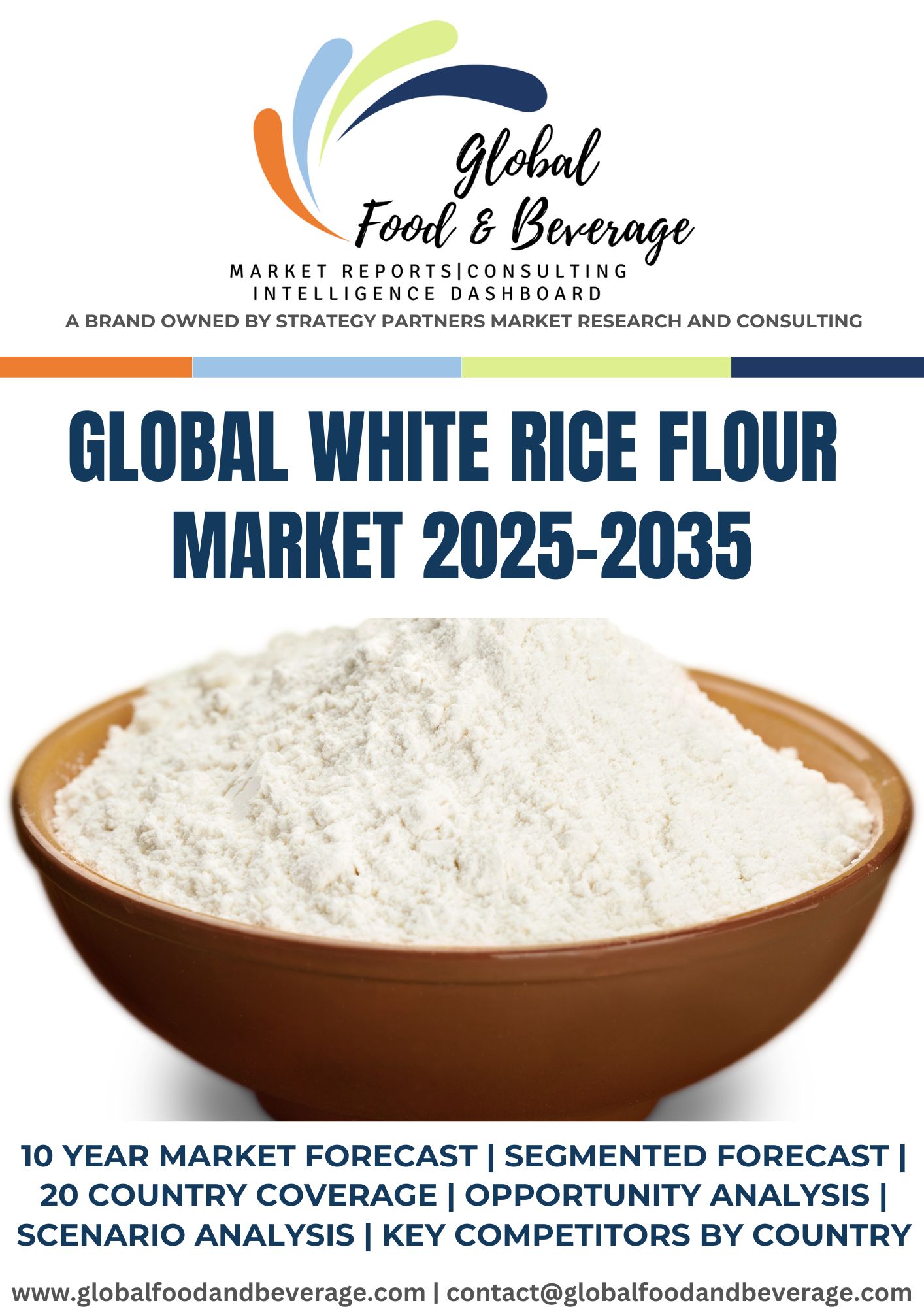
White rice flour is a finely milled powder made from polished white rice, which has had its husk, bran, and germ removed. It is widely used around the world as a versatile and naturally gluten-free ingredient in both traditional and modern cooking. Its neutral taste, light color, and fine texture make it suitable for a wide range of culinary and industrial applications. Whether used in baking, thickening, coating, or even cosmetics, white rice flour is valued for its adaptability, digestibility, and contribution to texture and structure in food products.
The production process of white rice flour begins with white rice, typically derived from varieties of Oryza sativa, the Asian rice species. After harvesting and dehusking, the rice grains are polished to remove the outer layers. These polished grains are then washed, dried, and ground into a fine flour using specialized milling equipment. The resulting flour can vary in particle size depending on its intended use, ranging from ultra-fine powder suitable for rice noodles and baby food to slightly coarser grades used in baking or frying.
One of the most important characteristics of white rice flour is its absence of gluten, the protein found in wheat, barley, and rye that provides elasticity and structure in traditional baked goods. This makes white rice flour a vital alternative for individuals with celiac disease or gluten intolerance. It is often used in gluten-free baking to provide structure and body, though it usually needs to be combined with other flours or binders like xanthan gum or tapioca starch to achieve the desired texture. On its own, white rice flour can produce a slightly gritty texture in baked goods, but it is excellent for creating light, crisp coatings on fried foods.
In terms of composition, white rice flour primarily contains carbohydrates, with very low levels of fat and protein. It is also relatively low in fiber compared to brown rice flour because the bran layer is removed during polishing. While this may reduce some of the nutritional content, it also results in a more neutral flavor and whiter appearance, which is often preferred in applications where a clean, bland base is desired. Some commercial white rice flours are enriched with iron or B vitamins to compensate for nutrients lost during processing.
White rice flour is a staple in many Asian cuisines. In Japan, it is used to make traditional sweets such as mochi and dango. In Chinese cooking, it forms the base for rice noodles, rice cakes, and steamed rice buns. In India and Southeast Asia, white rice flour is used to make pancakes (such as dosa), dumplings, and batters for fried snacks. Its ability to form gels and smooth pastes when mixed with water and heat makes it valuable in both sweet and savory dishes. It also acts as a thickening agent for soups, sauces, and gravies, offering a glossy finish without altering the flavor.
In Western cooking, white rice flour has gained popularity primarily through the rise of gluten-free diets and products. It is often a key component of gluten-free flour blends used for cakes, cookies, muffins, and breads. While it cannot replicate the exact texture of wheat flour on its own, when combined with other flours like potato starch, sorghum flour, and almond flour, it contributes to lightness and volume. It is especially valued in baked goods for people with dietary restrictions, as it does not impart a strong flavor and has a smooth mouthfeel when properly blended.
Beyond culinary uses, white rice flour has applications in the food industry and even in non-food products. In food manufacturing, it can be used as a bulking agent, a texturizer, or a carrier for flavors and seasonings. Because of its fine particle size, it disperses easily in liquid and dry mixes. In infant foods and nutritional supplements, white rice flour is used because it is hypoallergenic and easy to digest. In cosmetics and personal care products, it serves as a natural exfoliant or absorbent agent in powders and face masks.
Storage and shelf life of white rice flour are important considerations, particularly in large-scale or commercial use. Because it has low moisture and fat content, white rice flour is relatively shelf-stable if kept in a cool, dry place in an airtight container. However, like all flours, it can absorb odors and should be protected from pests. In tropical or humid environments, refrigeration or vacuum-sealing may be necessary to maintain freshness and prevent spoilage. Shelf life can typically extend from six months to a year under proper conditions.
One of the ongoing challenges in using white rice flour, especially in baking, is its lack of gluten and low protein content, which can lead to products that crumble easily or fail to rise. To overcome this, food scientists and home bakers often incorporate binders, eggs, or other hydrocolloids into recipes. The use of sourdough fermentation or pre-gelatinized rice flour is also being explored to improve texture and volume in gluten-free baked goods. Innovations in rice breeding and milling technology continue to improve the functionality of rice flour in gluten-free formulations.
From a nutritional standpoint, white rice flour is not particularly high in fiber, protein, or essential fatty acids. It primarily offers starch-based energy, which makes it suitable for people needing easily digestible carbohydrates. For individuals with celiac disease, food allergies, or digestive sensitivities, white rice flour provides a safe and bland alternative. However, because it ranks relatively high on the glycemic index, it may not be ideal for people managing diabetes or blood sugar issues unless consumed in moderation or balanced with fiber and protein-rich foods.
Environmental and economic aspects of white rice flour also merit attention. Rice is one of the most widely cultivated cereal crops in the world, especially in Asia, which ensures that white rice flour is generally affordable and available. However, rice farming is water-intensive and contributes to methane emissions, making it a focal point for sustainability efforts. Some producers are experimenting with organic rice cultivation or using by-products such as broken rice grains—which are not suitable for direct consumption—to produce flour, thereby reducing food waste and improving the environmental profile of rice-based products.
In recent years, interest in rice-based ingredients has grown due to increasing demand for allergen-free, plant-based, and clean-label products. White rice flour fits well into these categories and has seen increased use in vegan and allergen-conscious food manufacturing. Its versatility, affordability, and ease of digestion make it a go-to ingredient for formulators creating snacks, baked goods, or meat alternatives that cater to a wide consumer base.
In conclusion, white rice flour is more than just a simple ground grain—it is a versatile, functional, and increasingly essential component of modern food systems. From its roots in traditional Asian cuisines to its growing role in gluten-free and specialized diets, white rice flour continues to evolve and adapt to the changing needs of consumers and the food industry. Its neutral profile, ease of use, and wide applicability ensure its place as a staple in kitchens and factories alike. While it may lack the nutrient density of whole grain flours, its simplicity, digestibility, and adaptability make it an invaluable ingredient in both everyday cooking and innovative food development.
Table of Content
1 Market Introduction- Global White rice flour Market
1.1 Market Segmentation- Global White rice flour Market
1.2 Key Trends- Global White rice flour Market
1.2.1 Drivers
1.2.2 Restraints
1.2.3 Type
2 Global Market Forecast- Global White rice flour Market
1. By Region
2. By Type
3. By Application
3 Country Wise Forecast- Global White rice flour Market
3.1 US
3.1.1 Key Trends
3.1.2 Consumer Spending
o Population
o GDP
o CPI
o Spend per Capita
o Spend as a proportion of GDP
3.1.3 Market Forecast- US White rice flour Market
1.By Type
2.By Application
3.1.4 Key Competitors- US White rice flour Market
3.1.5 EXIM
3.1.6 Patents
3.1.7 Scenario Analysis- US White rice flour Market
3.1.8 Opportunity Analysis- US White rice flour Market
3.2 Canada
3.2.1 Key Trends
3.2.2 Consumer Spending
o Population
o GDP
o CPI
o Spend per Capita
o Spend as a proportion of GDP
3.2.3 Market Forecast- Canada White rice flour Market
1.By Type
2.By Application
3.2.4 Key Competitors- Canada White rice flour Market
3.2.5 EXIM
3.2.6 Patents
3.2.7 Scenario Analysis- Canada White rice flour Market
3.2.8 Opportunity Analysis- Canada White rice flour Market
3.3 UK
3.3.1 Key Trends
3.3.2 Consumer Spending
o Population
o GDP
o CPI
o Spend per Capita
o Spend as a proportion of GDP
3.3.3 Market Forecast- UK White rice flour Market
1.By Type
2.By Application
3.3.4 Key Competitors- UK White rice flour Market
3.3.5 EXIM
3.3.6 Patents
3.3.7 Scenario Analysis- UK White rice flour Market
3.3.8 Opportunity Analysis- UK White rice flour Market
3.4 Germany
3.4.1 Key Trends
3.4.2 Consumer Spending
o Population
o GDP
o CPI
o Spend per Capita
o Spend as a proportion of GDP
3.4.3 Market Forecast- Germany White rice flour Market
1.By Type
2.By Application
3.4.4 Key Competitors- Germany White rice flour Market
3.4.5 EXIM
3.4.6 Patents
3.4.7 Scenario Analysis- Germany White rice flour Market
3.4.8 Opportunity Analysis- Germany White rice flour Market
3.5 France
3.5.1 Key Trends
3.5.2 Consumer Spending
o Population
o GDP
o CPI
o Spend per Capita
o Spend as a proportion of GDP
3.5.3 Market Forecast- France White rice flour Market
1.By Type
2.By Application
3.5.4 Key Competitors- France White rice flour Market
3.5.5 EXIM
3.5.6 Patents
3.5.7 Scenario Analysis- France White rice flour Market
3.5.8 Opportunity Analysis- France White rice flour Market
3.6 Italy
3.6.1 Key Trends
3.6.2 Consumer Spending
o Population
o GDP
o CPI
o Spend per Capita
o Spend as a proportion of GDP
3.6.3 Market Forecast- Italy White rice flour Market
1.By Type
2.By Application
3.6.4 Key Competitors- Italy White rice flour Market
3.6.5 EXIM
3.6.6 Patents
3.6.7 Scenario Analysis- Italy White rice flour Market
3.6.8 Opportunity Analysis- Italy White rice flour Market
3.7 Ireland
3.7.1 Key Trends
3.7.2 Consumer Spending
o Population
o GDP
o CPI
o Spend per Capita
o Spend as a proportion of GDP
3.7.3 Market Forecast- Ireland White rice flour Market
1.By Type
2.By Application
3.7.4 Key Competitors- Ireland White rice flour Market
3.7.5 EXIM
3.7.6 Patents
3.7.7 Scenario Analysis- Ireland White rice flour Market
3.7.8 Opportunity Analysis- Ireland White rice flour Market
3.8 Spain
3.8.1 Key Trends
3.8.2 Consumer Spending
o Population
o GDP
o CPI
o Spend per Capita
o Spend as a proportion of GDP
3.8.3 Market Forecast- Spain White rice flour Market
1.By Type
2.By Application
3.8.4 Key Competitors- Spain White rice flour Market
3.8.5 EXIM
3.8.6 Patents
3.8.7 Scenario Analysis- Spain White rice flour Market
3.8.8 Opportunity Analysis- Spain White rice flour Market
3.9 Belgium
3.9.1 Key Trends
3.9.2 Consumer Spending
o Population
o GDP
o CPI
o Spend per Capita
o Spend as a proportion of GDP
3.9.3 Market Forecast- Belgium White rice flour Market
1.By Type
2.By Application
3.9.4 Key Competitors- Belgium White rice flour Market
3.9.5 EXIM
3.9.6 Patents
3.9.7 Scenario Analysis- Belgium White rice flour Market
3.9.8 Opportunity Analysis- Belgium White rice flour Market
3.10 Switzerland
3.10.1 Key Trends
3.10.2 Consumer Spending
o Population
o GDP
o CPI
o Spend per Capita
o Spend as a proportion of GDP
3.10.3 Market Forecast- Switzerland White rice flour Market
1.By Type
2.By Application
3.10.4 Key Competitors- Switzerland White rice flour Market
3.10.5 EXIM
3.10.6 Patents
3.10.7 Scenario Analysis- Switzerland White rice flour Market
3.10.8 Opportunity Analysis- Switzerland White rice flour Market
3.11 Sweden
3.11.1 Key Trends
3.11.2 Consumer Spending
o Population
o GDP
o CPI
o Spend per Capita
o Spend as a proportion of GDP
3.11.3 Market Forecast- Sweden White rice flour Market
1.By Type
2.By Application
3.11.4 Key Competitors- Sweden White rice flour Market
3.11.5 EXIM
3.11.6 Patents
3.11.7 Scenario Analysis- Sweden White rice flour Market
3.11.8 Opportunity Analysis- Sweden White rice flour Market
3.12 Portugal
3.12.1 Key Trends
3.12.2 Consumer Spending
o Population
o GDP
o CPI
o Spend per Capita
o Spend as a proportion of GDP
3.12.3 Market Forecast- Portugal White rice flour Market
1.By Type
2.By Application
3.12.4 Key Competitors- Portugal White rice flour Market
3.12.5 EXIM
3.12.6 Patents
3.12.7 Scenario Analysis- Portugal White rice flour Market
3.12.8 Opportunity Analysis- Portugal White rice flour Market
3.13 The Netherlands
3.13.1 Key Trends
3.13.2 Consumer Spending
o Population
o GDP
o CPI
o Spend per Capita
o Spend as a proportion of GDP
3.13.3 Market Forecast- Netherlands White rice flour Market
1.By Type
2.By Application
3.13.4 Key Competitors- Netherlands White rice flour Market
3.13.5 EXIM
3.13.6 Patents
3.13.7 Scenario Analysis- Netherlands White rice flour Market
3.13.8 Opportunity Analysis- Netherlands White rice flour Market
3.14 Brazil
3.14.1 Key Trends
3.14.2 Consumer Spending
o Population
o GDP
o CPI
o Spend per Capita
o Spend as a proportion of GDP
3.14.3 Market Forecast- Brazil White rice flour Market
1.By Type
2.By Application
3.14.4 Key Competitors- Brazil White rice flour Market
3.14.5 EXIM
3.14.6 Patents
3.14.7 Scenario Analysis- Brazil White rice flour Market
3.14.8 Opportunity Analysis- Brazil White rice flour Market
3.15 Mexico
3.15.1 Key Trends
3.15.2 Consumer Spending
o Population
o GDP
o CPI
o Spend per Capita
o Spend as a proportion of GDP
3.15.3 Market Forecast- Mexico White rice flour Market
1.By Type
2.By Application
3.15.4 Key Competitors- Mexico White rice flour Market
3.15.5 EXIM
3.15.6 Patents
3.15.7 Scenario Analysis- Mexico White rice flour Market
3.15.8 Opportunity Analysis- Mexico White rice flour Market
3.16 Australia
3.16.1 Key Trends
3.16.2 Consumer Spending
o Population
o GDP
o CPI
o Spend per Capita
o Spend as a proportion of GDP
3.16.3 Market Forecast- Australia White rice flour Market
1.By Type
2.By Application
3.16.4 Key Competitors- Australia White rice flour Market
3.16.5 EXIM
3.16.6 Patents
3.16.7 Scenario Analysis- Australia White rice flour Market
3.16.8 Opportunity Analysis- Australia White rice flour Market
3.17 China
3.17.1 Key Trends
3.17.2 Consumer Spending
o Population
o GDP
o CPI
o Spend per Capita
o Spend as a proportion of GDP
3.17.3 Market Forecast- China White rice flour Market
1.By Type
2.By Application
3.17.4 Key Competitors- China White rice flour Market
3.17.5 EXIM
3.17.6 Patents
3.17.7 Scenario Analysis- China White rice flour Market
3.17.8 Opportunity Analysis- China White rice flour Market
3.18 Indonesia
3.18.1 Key Trends
3.18.2 Consumer Spending
o Population
o GDP
o CPI
o Spend per Capita
o Spend as a proportion of GDP
3.18.3 Market Forecast- Indonesia White rice flour Market
1.By Type
2.By Application
3.18.4 Key Competitors- Indonesia White rice flour Market
3.18.5 EXIM
3.18.6 Patents
3.18.7 Scenario Analysis- Indonesia White rice flour Market
3.18.8 Opportunity Analysis- Indonesia White rice flour Market
3.19 India
3.19.1 Key Trends
3.19.2 Consumer Spending
o Population
o GDP
o CPI
o Spend per Capita
o Spend as a proportion of GDP
3.19.3 Market Forecast- India White rice flour Market
1.By Type
2.By Application
3.19.4 Key Competitors- India White rice flour Market
3.19.5 EXIM
3.19.6 Patents
3.19.7 Scenario Analysis- India White rice flour Market
3.19.8 Opportunity Analysis- India White rice flour Market
3.20 Japan
3.20.1 Key Trends
3.20.2 Consumer Spending
o Population
o GDP
o CPI
o Spend per Capita
o Spend as a proportion of GDP
3.20.3 Market Forecast- Japan White rice flour Market
1.By Type
2.By Application
3.20.4 Key Competitors- Japan White rice flour Market
3.20.5 EXIM
3.20.6 Patents
3.20.7 Scenario Analysis- Japan White rice flour Market
3.20.8 Opportunity Analysis- Japan White rice flour Market
3.21 South Korea
3.21.1 Key Trends
3.21.2 Consumer Spending
o Population
o GDP
o CPI
o Spend per Capita
o Spend as a proportion of GDP
3.21.3 Market Forecast- South Korea White rice flour Market
1.By Type
2.By Application
3.21.4 Key Competitors- South Korea White rice flour Market
3.21.5 EXIM
3.21.6 Patents
3.21.7 Scenario Analysis- South Korea White rice flour Market
3.21.8 Opportunity Analysis- South Korea White rice flour Market
3.22 Thailand
3.22.1 Key Trends
3.22.2 Consumer Spending
o Population
o GDP
o CPI
o Spend per Capita
o Spend as a proportion of GDP
3.22.3 Market Forecast- Thailand White rice flour Market
1.By Type
2.By Application
3.22.4 Key Competitors- Thailand White rice flour Market
3.22.5 EXIM
3.22.6 Patents
3.22.7 Scenario Analysis- Thailand White rice flour Market
3.22.8 Opportunity Analysis- Thailand White rice flour Market
3.23 Malaysia
3.23.1 Key Trends
3.23.2 Consumer Spending
o Population
o GDP
o CPI
o Spend per Capita
o Spend as a proportion of GDP
3.23.3 Market Forecast- Malaysia White rice flour Market
1.By Type
2.By Application
3.23.4 Key Competitors- Malaysia White rice flour Market
3.23.5 EXIM
3.23.6 Patents
3.23.7 Scenario Analysis- Malaysia White rice flour Market
3.23.8 Opportunity Analysis- Malaysia White rice flour Market
3.24 Singapore
3.24.1 Key Trends
3.24.2 Consumer Spending
o Population
o GDP
o CPI
o Spend per Capita
o Spend as a proportion of GDP
3.24.3 Market Forecast- Singapore White rice flour Market
1.By Type
2.By Application
3.24.4 Key Competitors- Singapore White rice flour Market
3.24.5 EXIM
3.24.6 Patents
3.24.7 Scenario Analysis- Singapore White rice flour Market
3.24.8 Opportunity Analysis- Singapore White rice flour Market
4 Opportunity Matrix- Global White rice flour Market
5 Conclusions and Recommendations- Global White rice flour Market
6 About Global Food & Beverages