Description
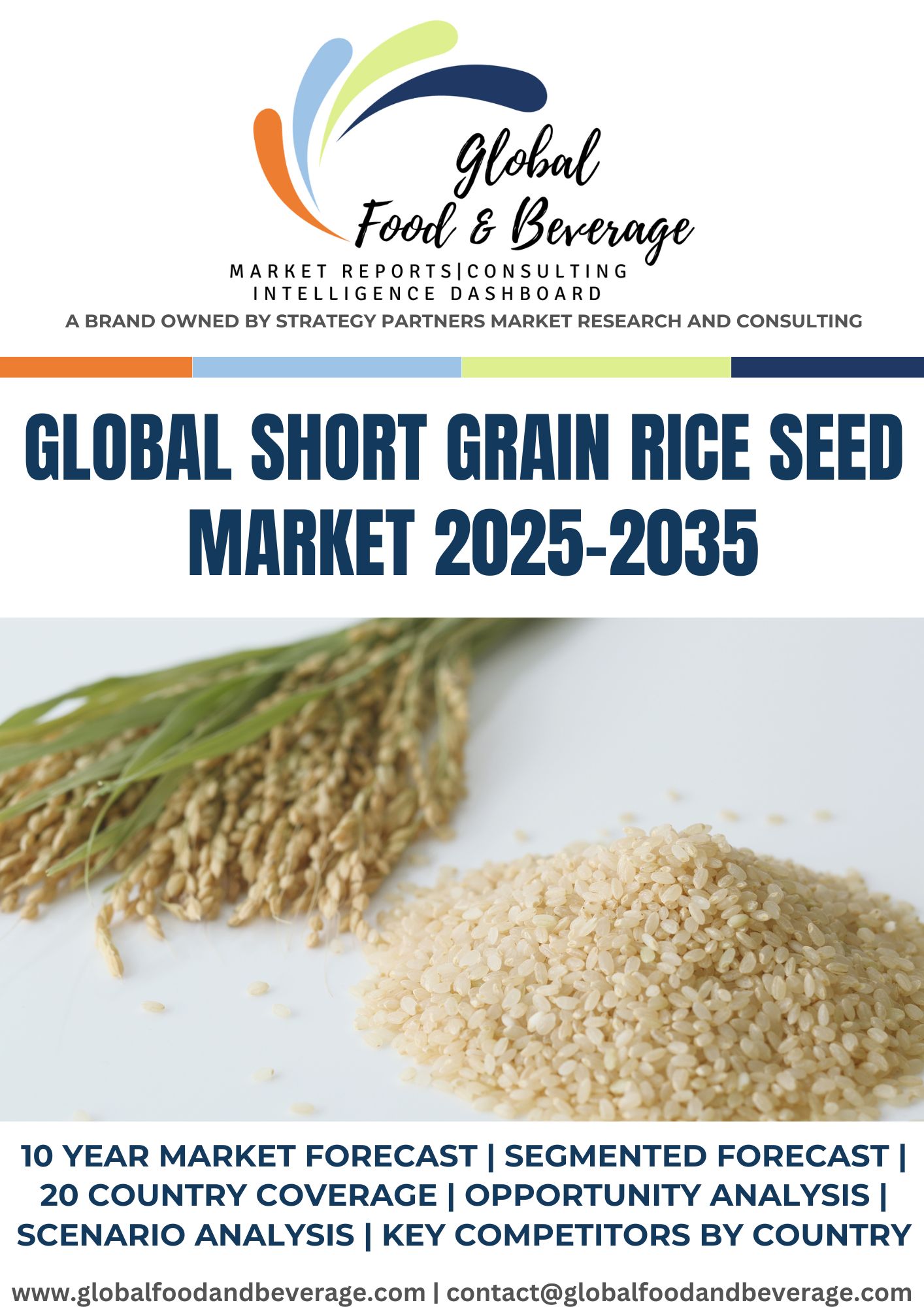
Short grain rice seed is a fundamental agricultural commodity with wide-reaching cultural, economic, and nutritional significance. Known for its plump, round grains that are almost as wide as they are long, short grain rice distinguishes itself from long or medium grain varieties by its texture and cooking characteristics. When cooked, short grain rice becomes soft, sticky, and moist, qualities that make it indispensable in various global cuisines, particularly in East Asia. The cultivation, breeding, distribution, and consumption of short grain rice seeds tie directly into food security, culinary heritage, and agricultural development.
Short grain rice varieties have been cultivated for thousands of years, with their origins rooted in the domestication of Oryza sativa, the Asian rice species. While rice itself originated in both the Yangtze River basin in China and the Ganges basin in India, short grain types are particularly associated with temperate East Asia. Countries like Japan, South Korea, and parts of China have historically favored short grain cultivars for their palatability and adaptability to local climates and cuisines. Japanese Japonica rice, a classic short grain variety, is notable for its use in sushi and bento meals, as well as its cultural status as a symbol of purity and sustenance.
The seed of short grain rice is where its journey begins. These seeds are selected based on a complex range of criteria, including yield potential, resistance to pests and diseases, tolerance to abiotic stresses such as drought or cold, grain quality, and maturation time. Breeding programs across the world, both public and private, invest heavily in improving short grain rice seeds to meet the demands of farmers and consumers. The development of new short grain cultivars involves both conventional breeding methods and advanced biotechnological tools such as marker-assisted selection and gene editing. These techniques enable breeders to target specific traits and accelerate the release of superior cultivars.
Once developed, high-quality short grain rice seeds undergo rigorous testing and certification. Seed purity, germination rates, and genetic stability are evaluated to ensure consistency and reliability in the field. In regions where rice is a staple food, government agencies and research institutions often play a key role in distributing improved seeds to farmers. In Japan, for example, agricultural cooperatives help maintain varietal integrity and distribute seed stock to ensure the continued cultivation of traditional favorites such as Koshihikari. This variety, developed in 1956, remains one of Japan’s most beloved short grain rice types, known for its sweet flavor and sticky texture.
The agronomy of short grain rice differs somewhat from that of long grain types due to climatic preferences and plant physiology. Short grain rice generally prefers cooler, temperate climates, and its cultivation is often concentrated in regions with abundant water and relatively mild temperatures. Paddy fields are the traditional landscape for short grain rice, where the controlled flooding of fields not only supports rice growth but also suppresses weed competition and facilitates nutrient uptake. Transplanting young seedlings into flooded fields remains a common practice in many areas, though direct seeding methods are gaining popularity due to labor shortages and mechanization.
In terms of plant morphology, short grain rice plants tend to be compact and upright, with shorter, broader leaves compared to long grain varieties. They typically mature within a growing season of around 100 to 150 days, depending on variety and local climate conditions. Pest and disease management is a crucial part of short grain rice cultivation, as these plants are vulnerable to threats such as rice blast, bacterial leaf blight, stem borers, and planthoppers. Integrated pest management (IPM), including biological control agents and resistant seed varieties, is increasingly promoted to reduce dependency on chemical pesticides and enhance sustainability.
Water management is also critical. Since most short grain rice is grown in paddies, it requires careful irrigation scheduling to balance growth needs with water conservation goals. Advances in alternate wetting and drying (AWD) irrigation techniques are helping reduce water use while maintaining yields, especially in areas facing water scarcity. Fertilization practices must be equally precise. Excessive nitrogen use can lead to lodging and increased susceptibility to pests, while deficiencies reduce grain filling and yield. Precision agriculture technologies, including remote sensing and soil testing, are aiding farmers in optimizing nutrient inputs for short grain rice.
Once harvested, the quality of short grain rice is assessed based on a number of grain characteristics. These include grain length-to-width ratio, translucency, chalkiness, and amylose content. Short grain rice generally has low to medium amylose content, contributing to its sticky texture when cooked. This stickiness is a defining trait and is highly valued in cultures where rice is eaten with chopsticks or shaped into rice balls. In addition to taste and texture, appearance matters greatly in consumer markets. Uniformity of grain size, minimal broken grains, and a glossy surface are all markers of high-quality short grain rice.
Post-harvest processing begins with drying the harvested rice to safe moisture levels, followed by dehusking and polishing. In traditional markets, some consumers prefer semi-polished or brown short grain rice for its nutritional content, including fiber, vitamins, and minerals located in the bran layers. However, in East Asian markets, polished white rice remains the standard, reflecting long-standing culinary and aesthetic preferences. Storage conditions are essential to maintaining seed and grain quality, as rice is susceptible to insect infestation and spoilage under humid conditions. Vacuum packaging, climate-controlled storage, and the use of natural insect deterrents help extend shelf life.
Seed systems for short grain rice are influenced by public policy, intellectual property regulations, and farmer practices. In many countries, rice seed production is managed by a combination of public research institutions and private companies. Certified seeds are distributed through formal systems, while informal systems—where farmers save and exchange seeds—continue to play a role, particularly in developing countries. The balance between preserving traditional varieties and promoting improved seeds is delicate, as each approach serves different needs. Landraces of short grain rice, passed down through generations, often possess unique flavors and adaptability to local microclimates, while improved varieties deliver higher yields and disease resistance.
The market for short grain rice seed reflects both domestic consumption patterns and global trade flows. While long grain varieties like Basmati and Jasmine dominate exports in South Asia and Southeast Asia, short grain rice is primarily consumed in the countries where it is grown. Japan, South Korea, Taiwan, and parts of northern China are major consumers and importers of short grain rice, especially when domestic production cannot meet demand. In recent years, niche markets in Europe and North America have seen growing interest in short grain rice, driven by the popularity of sushi and plant-based diets. This has led to localized seed development programs in places like California, where varieties like Calrose have been bred specifically for local growing conditions and international culinary appeal.
The future of short grain rice seed lies in innovation and adaptation. Climate change poses a growing threat to traditional rice-growing areas, with rising temperatures, unpredictable rainfall, and increasing salinity affecting yields. Breeders are now working to develop climate-resilient short grain varieties that can withstand heat, drought, and flooding while maintaining high quality and consumer appeal. Advances in genomics and artificial intelligence are accelerating this process, allowing scientists to predict and select optimal breeding combinations with greater accuracy. At the same time, participatory breeding programs that involve farmers in the selection process are gaining recognition as a means to ensure that new varieties are well-suited to local preferences and conditions.
Short grain rice seed is not merely an agricultural input; it represents a living repository of cultural knowledge, scientific progress, and economic opportunity. From its careful breeding to its cultivation, harvest, and consumption, it reflects the interdependence of farmers, researchers, and consumers across borders and generations. As the global population grows and the demand for nutritious, sustainable food intensifies, short grain rice seed will remain a vital cornerstone of food systems and a subject of continuous research and innovation.
Table of Content
1 Market Introduction- Global Short grain rice seed Market
1.1 Market Segmentation- Global Short grain rice seed Market
1.2 Key Trends- Global Short grain rice seed Market
1.2.1 Drivers
1.2.2 Restraints
1.2.3 Type
2 Global Market Forecast- Global Short grain rice seed Market
1. By Region
2. By Type
3. By Application
3 Country Wise Forecast- Global Short grain rice seed Market
3.1 US
3.1.1 Key Trends
3.1.2 Consumer Spending
o Population
o GDP
o CPI
o Spend per Capita
o Spend as a proportion of GDP
3.1.3 Market Forecast- US Short grain rice seed Market
1.By Type
2.By Application
3.1.4 Key Competitors- US Short grain rice seed Market
3.1.5 EXIM
3.1.6 Patents
3.1.7 Scenario Analysis- US Short grain rice seed Market
3.1.8 Opportunity Analysis- US Short grain rice seed Market
3.2 Canada
3.2.1 Key Trends
3.2.2 Consumer Spending
o Population
o GDP
o CPI
o Spend per Capita
o Spend as a proportion of GDP
3.2.3 Market Forecast- Canada Short grain rice seed Market
1.By Type
2.By Application
3.2.4 Key Competitors- Canada Short grain rice seed Market
3.2.5 EXIM
3.2.6 Patents
3.2.7 Scenario Analysis- Canada Short grain rice seed Market
3.2.8 Opportunity Analysis- Canada Short grain rice seed Market
3.3 UK
3.3.1 Key Trends
3.3.2 Consumer Spending
o Population
o GDP
o CPI
o Spend per Capita
o Spend as a proportion of GDP
3.3.3 Market Forecast- UK Short grain rice seed Market
1.By Type
2.By Application
3.3.4 Key Competitors- UK Short grain rice seed Market
3.3.5 EXIM
3.3.6 Patents
3.3.7 Scenario Analysis- UK Short grain rice seed Market
3.3.8 Opportunity Analysis- UK Short grain rice seed Market
3.4 Germany
3.4.1 Key Trends
3.4.2 Consumer Spending
o Population
o GDP
o CPI
o Spend per Capita
o Spend as a proportion of GDP
3.4.3 Market Forecast- Germany Short grain rice seed Market
1.By Type
2.By Application
3.4.4 Key Competitors- Germany Short grain rice seed Market
3.4.5 EXIM
3.4.6 Patents
3.4.7 Scenario Analysis- Germany Short grain rice seed Market
3.4.8 Opportunity Analysis- Germany Short grain rice seed Market
3.5 France
3.5.1 Key Trends
3.5.2 Consumer Spending
o Population
o GDP
o CPI
o Spend per Capita
o Spend as a proportion of GDP
3.5.3 Market Forecast- France Short grain rice seed Market
1.By Type
2.By Application
3.5.4 Key Competitors- France Short grain rice seed Market
3.5.5 EXIM
3.5.6 Patents
3.5.7 Scenario Analysis- France Short grain rice seed Market
3.5.8 Opportunity Analysis- France Short grain rice seed Market
3.6 Italy
3.6.1 Key Trends
3.6.2 Consumer Spending
o Population
o GDP
o CPI
o Spend per Capita
o Spend as a proportion of GDP
3.6.3 Market Forecast- Italy Short grain rice seed Market
1.By Type
2.By Application
3.6.4 Key Competitors- Italy Short grain rice seed Market
3.6.5 EXIM
3.6.6 Patents
3.6.7 Scenario Analysis- Italy Short grain rice seed Market
3.6.8 Opportunity Analysis- Italy Short grain rice seed Market
3.7 Ireland
3.7.1 Key Trends
3.7.2 Consumer Spending
o Population
o GDP
o CPI
o Spend per Capita
o Spend as a proportion of GDP
3.7.3 Market Forecast- Ireland Short grain rice seed Market
1.By Type
2.By Application
3.7.4 Key Competitors- Ireland Short grain rice seed Market
3.7.5 EXIM
3.7.6 Patents
3.7.7 Scenario Analysis- Ireland Short grain rice seed Market
3.7.8 Opportunity Analysis- Ireland Short grain rice seed Market
3.8 Spain
3.8.1 Key Trends
3.8.2 Consumer Spending
o Population
o GDP
o CPI
o Spend per Capita
o Spend as a proportion of GDP
3.8.3 Market Forecast- Spain Short grain rice seed Market
1.By Type
2.By Application
3.8.4 Key Competitors- Spain Short grain rice seed Market
3.8.5 EXIM
3.8.6 Patents
3.8.7 Scenario Analysis- Spain Short grain rice seed Market
3.8.8 Opportunity Analysis- Spain Short grain rice seed Market
3.9 Belgium
3.9.1 Key Trends
3.9.2 Consumer Spending
o Population
o GDP
o CPI
o Spend per Capita
o Spend as a proportion of GDP
3.9.3 Market Forecast- Belgium Short grain rice seed Market
1.By Type
2.By Application
3.9.4 Key Competitors- Belgium Short grain rice seed Market
3.9.5 EXIM
3.9.6 Patents
3.9.7 Scenario Analysis- Belgium Short grain rice seed Market
3.9.8 Opportunity Analysis- Belgium Short grain rice seed Market
3.10 Switzerland
3.10.1 Key Trends
3.10.2 Consumer Spending
o Population
o GDP
o CPI
o Spend per Capita
o Spend as a proportion of GDP
3.10.3 Market Forecast- Switzerland Short grain rice seed Market
1.By Type
2.By Application
3.10.4 Key Competitors- Switzerland Short grain rice seed Market
3.10.5 EXIM
3.10.6 Patents
3.10.7 Scenario Analysis- Switzerland Short grain rice seed Market
3.10.8 Opportunity Analysis- Switzerland Short grain rice seed Market
3.11 Sweden
3.11.1 Key Trends
3.11.2 Consumer Spending
o Population
o GDP
o CPI
o Spend per Capita
o Spend as a proportion of GDP
3.11.3 Market Forecast- Sweden Short grain rice seed Market
1.By Type
2.By Application
3.11.4 Key Competitors- Sweden Short grain rice seed Market
3.11.5 EXIM
3.11.6 Patents
3.11.7 Scenario Analysis- Sweden Short grain rice seed Market
3.11.8 Opportunity Analysis- Sweden Short grain rice seed Market
3.12 Portugal
3.12.1 Key Trends
3.12.2 Consumer Spending
o Population
o GDP
o CPI
o Spend per Capita
o Spend as a proportion of GDP
3.12.3 Market Forecast- Portugal Short grain rice seed Market
1.By Type
2.By Application
3.12.4 Key Competitors- Portugal Short grain rice seed Market
3.12.5 EXIM
3.12.6 Patents
3.12.7 Scenario Analysis- Portugal Short grain rice seed Market
3.12.8 Opportunity Analysis- Portugal Short grain rice seed Market
3.13 The Netherlands
3.13.1 Key Trends
3.13.2 Consumer Spending
o Population
o GDP
o CPI
o Spend per Capita
o Spend as a proportion of GDP
3.13.3 Market Forecast- Netherlands Short grain rice seed Market
1.By Type
2.By Application
3.13.4 Key Competitors- Netherlands Short grain rice seed Market
3.13.5 EXIM
3.13.6 Patents
3.13.7 Scenario Analysis- Netherlands Short grain rice seed Market
3.13.8 Opportunity Analysis- Netherlands Short grain rice seed Market
3.14 Brazil
3.14.1 Key Trends
3.14.2 Consumer Spending
o Population
o GDP
o CPI
o Spend per Capita
o Spend as a proportion of GDP
3.14.3 Market Forecast- Brazil Short grain rice seed Market
1.By Type
2.By Application
3.14.4 Key Competitors- Brazil Short grain rice seed Market
3.14.5 EXIM
3.14.6 Patents
3.14.7 Scenario Analysis- Brazil Short grain rice seed Market
3.14.8 Opportunity Analysis- Brazil Short grain rice seed Market
3.15 Mexico
3.15.1 Key Trends
3.15.2 Consumer Spending
o Population
o GDP
o CPI
o Spend per Capita
o Spend as a proportion of GDP
3.15.3 Market Forecast- Mexico Short grain rice seed Market
1.By Type
2.By Application
3.15.4 Key Competitors- Mexico Short grain rice seed Market
3.15.5 EXIM
3.15.6 Patents
3.15.7 Scenario Analysis- Mexico Short grain rice seed Market
3.15.8 Opportunity Analysis- Mexico Short grain rice seed Market
3.16 Australia
3.16.1 Key Trends
3.16.2 Consumer Spending
o Population
o GDP
o CPI
o Spend per Capita
o Spend as a proportion of GDP
3.16.3 Market Forecast- Australia Short grain rice seed Market
1.By Type
2.By Application
3.16.4 Key Competitors- Australia Short grain rice seed Market
3.16.5 EXIM
3.16.6 Patents
3.16.7 Scenario Analysis- Australia Short grain rice seed Market
3.16.8 Opportunity Analysis- Australia Short grain rice seed Market
3.17 China
3.17.1 Key Trends
3.17.2 Consumer Spending
o Population
o GDP
o CPI
o Spend per Capita
o Spend as a proportion of GDP
3.17.3 Market Forecast- China Short grain rice seed Market
1.By Type
2.By Application
3.17.4 Key Competitors- China Short grain rice seed Market
3.17.5 EXIM
3.17.6 Patents
3.17.7 Scenario Analysis- China Short grain rice seed Market
3.17.8 Opportunity Analysis- China Short grain rice seed Market
3.18 Indonesia
3.18.1 Key Trends
3.18.2 Consumer Spending
o Population
o GDP
o CPI
o Spend per Capita
o Spend as a proportion of GDP
3.18.3 Market Forecast- Indonesia Short grain rice seed Market
1.By Type
2.By Application
3.18.4 Key Competitors- Indonesia Short grain rice seed Market
3.18.5 EXIM
3.18.6 Patents
3.18.7 Scenario Analysis- Indonesia Short grain rice seed Market
3.18.8 Opportunity Analysis- Indonesia Short grain rice seed Market
3.19 India
3.19.1 Key Trends
3.19.2 Consumer Spending
o Population
o GDP
o CPI
o Spend per Capita
o Spend as a proportion of GDP
3.19.3 Market Forecast- India Short grain rice seed Market
1.By Type
2.By Application
3.19.4 Key Competitors- India Short grain rice seed Market
3.19.5 EXIM
3.19.6 Patents
3.19.7 Scenario Analysis- India Short grain rice seed Market
3.19.8 Opportunity Analysis- India Short grain rice seed Market
3.20 Japan
3.20.1 Key Trends
3.20.2 Consumer Spending
o Population
o GDP
o CPI
o Spend per Capita
o Spend as a proportion of GDP
3.20.3 Market Forecast- Japan Short grain rice seed Market
1.By Type
2.By Application
3.20.4 Key Competitors- Japan Short grain rice seed Market
3.20.5 EXIM
3.20.6 Patents
3.20.7 Scenario Analysis- Japan Short grain rice seed Market
3.20.8 Opportunity Analysis- Japan Short grain rice seed Market
3.21 South Korea
3.21.1 Key Trends
3.21.2 Consumer Spending
o Population
o GDP
o CPI
o Spend per Capita
o Spend as a proportion of GDP
3.21.3 Market Forecast- South Korea Short grain rice seed Market
1.By Type
2.By Application
3.21.4 Key Competitors- South Korea Short grain rice seed Market
3.21.5 EXIM
3.21.6 Patents
3.21.7 Scenario Analysis- South Korea Short grain rice seed Market
3.21.8 Opportunity Analysis- South Korea Short grain rice seed Market
3.22 Thailand
3.22.1 Key Trends
3.22.2 Consumer Spending
o Population
o GDP
o CPI
o Spend per Capita
o Spend as a proportion of GDP
3.22.3 Market Forecast- Thailand Short grain rice seed Market
1.By Type
2.By Application
3.22.4 Key Competitors- Thailand Short grain rice seed Market
3.22.5 EXIM
3.22.6 Patents
3.22.7 Scenario Analysis- Thailand Short grain rice seed Market
3.22.8 Opportunity Analysis- Thailand Short grain rice seed Market
3.23 Malaysia
3.23.1 Key Trends
3.23.2 Consumer Spending
o Population
o GDP
o CPI
o Spend per Capita
o Spend as a proportion of GDP
3.23.3 Market Forecast- Malaysia Short grain rice seed Market
1.By Type
2.By Application
3.23.4 Key Competitors- Malaysia Short grain rice seed Market
3.23.5 EXIM
3.23.6 Patents
3.23.7 Scenario Analysis- Malaysia Short grain rice seed Market
3.23.8 Opportunity Analysis- Malaysia Short grain rice seed Market
3.24 Singapore
3.24.1 Key Trends
3.24.2 Consumer Spending
o Population
o GDP
o CPI
o Spend per Capita
o Spend as a proportion of GDP
3.24.3 Market Forecast- Singapore Short grain rice seed Market
1.By Type
2.By Application
3.24.4 Key Competitors- Singapore Short grain rice seed Market
3.24.5 EXIM
3.24.6 Patents
3.24.7 Scenario Analysis- Singapore Short grain rice seed Market
3.24.8 Opportunity Analysis- Singapore Short grain rice seed Market
4 Opportunity Matrix- Global Short grain rice seed Market
5 Conclusions and Recommendations- Global Short grain rice seed Market
6 About Global Food & Beverages