Description
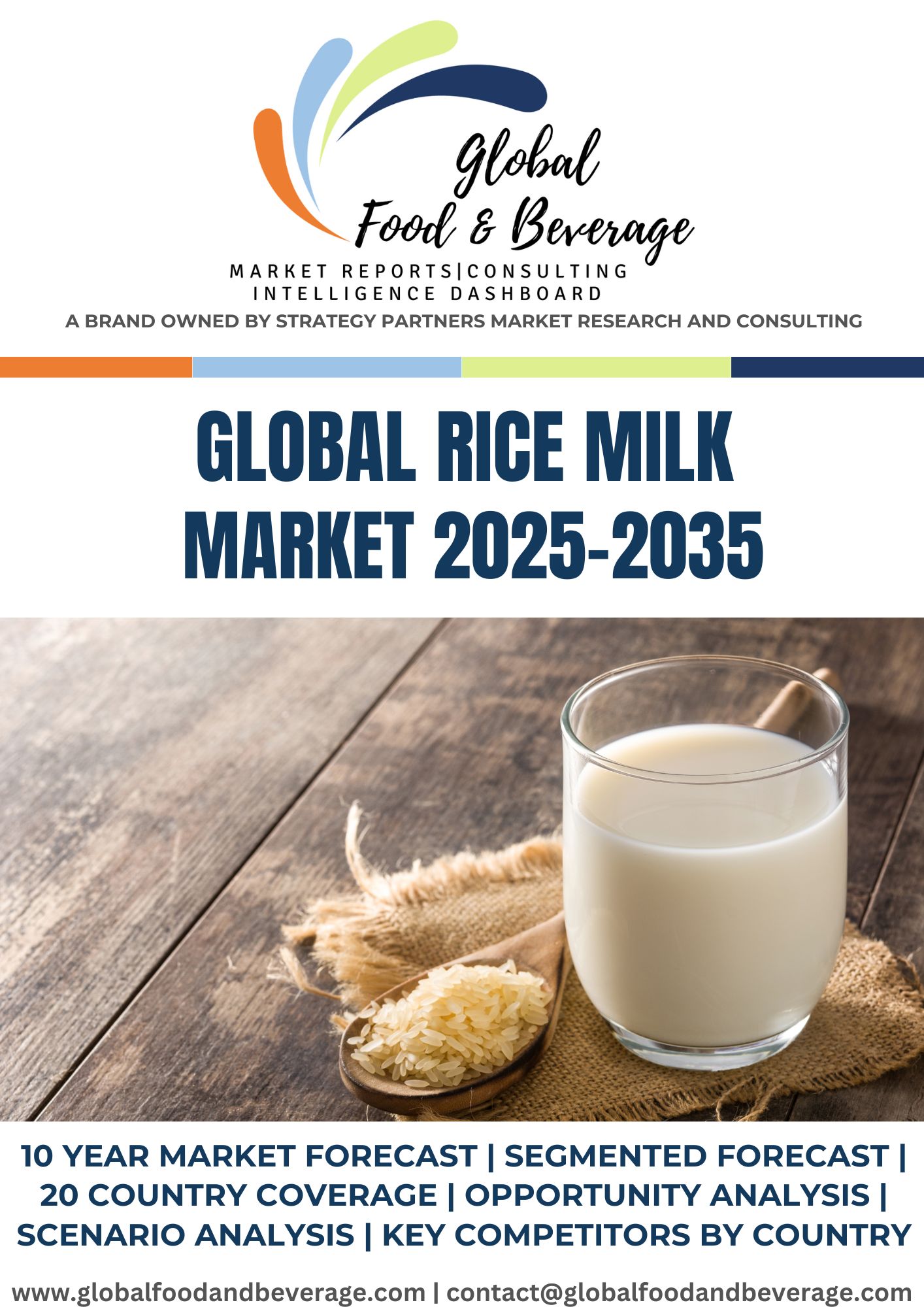
Rice milk is a plant-based milk alternative made primarily from rice, typically white or brown, and water. It has gained popularity in recent years as a dairy-free, lactose-free, and nut-free beverage, catering to individuals with food allergies, intolerances, or those who follow vegan diets. Among plant-based milks, rice milk stands out for its light, sweet flavor, hypoallergenic properties, and ease of digestion. Though traditionally made at home in many cultures, rice milk is now widely available in commercial varieties, often fortified and flavored to appeal to a broad consumer base.
The process of making rice milk begins with the soaking, cooking, or fermenting of rice grains. The softened grains are then blended with water and strained to separate the liquid from the solids. In commercial production, enzymes may be added to break down the starches into sugars, creating a naturally sweet taste without the need for added sugar. The mixture is homogenized and pasteurized to improve texture, shelf life, and safety. Some varieties are enriched with vitamins and minerals such as calcium, vitamin D, vitamin B12, and iron to compensate for nutrients typically found in dairy milk.
The primary appeal of rice milk lies in its allergen-friendly profile. Unlike soy milk or almond milk, it does not contain common allergens such as soy, nuts, or gluten, making it suitable for a wide range of dietary needs. It is also a good option for people with lactose intolerance, which affects a significant portion of the global population. For vegans and those who avoid animal products for ethical or environmental reasons, rice milk serves as a versatile and acceptable substitute in beverages, cooking, and baking.
Nutritionally, rice milk is relatively low in fat and protein compared to dairy milk and other plant-based alternatives like soy or oat milk. It is primarily a source of carbohydrates, which come from the natural starches in rice. This gives rice milk a naturally sweet flavor but also a higher glycemic index, meaning it can cause a more rapid spike in blood sugar levels. For this reason, it may not be ideal for individuals managing diabetes unless consumed in moderation or paired with foods rich in fiber and protein. The low protein content also means it may not be the best choice for children or athletes who require more complete protein sources.
Commercial rice milk often includes added ingredients to improve its texture, taste, and nutritional value. Thickeners such as carrageenan, guar gum, or xanthan gum may be used to achieve a creamier consistency, while natural flavors or sweeteners can be added to enhance taste. Fortified versions commonly include calcium and vitamin D to support bone health, mimicking the nutritional profile of cow’s milk. Some varieties are also flavored with vanilla or chocolate to appeal to different consumer preferences.
In culinary applications, rice milk is valued for its light texture and mild flavor, which makes it a flexible ingredient. It can be used in smoothies, coffee, tea, cereal, baking, and cooking. However, due to its low fat and protein content, it may not perform as well in recipes that require thickening or emulsification, such as custards or creamy sauces. In coffee, for instance, rice milk may separate or produce a thinner foam compared to soy or oat milk. Nevertheless, it is an excellent choice for those looking for a subtle, naturally sweet milk alternative that doesn’t overpower other flavors.
Rice milk has deep roots in many traditional cuisines. In some Asian cultures, variations of rice milk have been consumed for centuries in the form of rice water or fermented rice drinks. In Latin American countries, “”horchata”” is a traditional beverage made from rice, cinnamon, and sugar, often served cold and enjoyed as a refreshing treat. These cultural variations highlight the longstanding use of rice-based beverages long before their recent surge in Western markets.
Environmentally, rice milk has a mixed sustainability profile. On the one hand, rice is a widely grown staple crop, and rice milk production does not require animal farming, which is a major source of greenhouse gas emissions, water consumption, and land use. On the other hand, rice cultivation is known to produce significant amounts of methane, a potent greenhouse gas, and requires large quantities of water. Compared to almond milk, which also has environmental concerns due to water usage, rice milk may have a lower carbon footprint but still poses sustainability challenges. Innovations in rice farming, such as alternate wetting and drying (AWD) techniques, are being explored to reduce water use and methane emissions.
From a market perspective, rice milk occupies a unique space in the growing plant-based milk segment. While not as nutritionally rich as soy milk or as trendy as oat milk, it has carved out a niche among consumers seeking allergen-free, gentle-on-the-stomach milk alternatives. According to market research, the global rice milk market has grown steadily, with demand driven by increasing awareness of lactose intolerance, the rise of veganism, and growing interest in plant-based diets. Major brands offering rice milk include Rice Dream, Alpro, Pacific Foods, and private-label supermarket brands, with options ranging from shelf-stable cartons to refrigerated varieties.
Despite its advantages, rice milk is not without criticisms. Its high carbohydrate and low protein content make it less suitable as a one-to-one nutritional replacement for cow’s milk, especially for infants, children, or people with specific dietary requirements. Health professionals often caution against using rice milk as a sole milk source for toddlers due to concerns about inadequate protein and nutrient levels. Additionally, rice is known to accumulate arsenic from soil and water, which has led to scrutiny of rice-based products. Regulatory bodies such as the FDA and EFSA have set limits on arsenic levels in food products, and most reputable manufacturers test their products to ensure safety.
In recent years, consumers have become more interested in making rice milk at home, especially with the rise of DIY food culture and growing concerns about additives in processed foods. Homemade rice milk can be made by blending cooked or soaked rice with water and straining the mixture. While homemade versions may lack the smooth texture and nutrient fortification of commercial brands, they offer customization and control over ingredients. Some consumers add dates, cinnamon, or vanilla to enhance flavor naturally, while others use brown rice for a slightly nuttier taste and higher fiber content.
The versatility of rice milk extends beyond beverages. It can be used in making dairy-free puddings, soups, pancakes, and baked goods. In industrial food production, rice milk is used as a base in non-dairy frozen desserts, yogurts, and protein shakes. Its mild flavor allows it to blend well with other ingredients, making it a popular choice in plant-based product formulation.
In conclusion, rice milk is a gentle, naturally sweet, and allergen-friendly plant-based milk alternative that plays an important role in today’s diverse food landscape. While it may not offer the same nutrient density as some other dairy substitutes, it remains a valuable option for those seeking a light, easily digestible beverage free from common allergens. Its culinary flexibility, cultural heritage, and broad consumer appeal make it a staple in the growing world of plant-based living. As sustainability and health concerns continue to shape consumer choices, rice milk’s future will depend on both innovation in production and continued adaptation to the needs of a changing global market.
Table of Content
1 Market Introduction- Global Rice milk Market
1.1 Market Segmentation- Global Rice milk Market
1.2 Key Trends- Global Rice milk Market
1.2.1 Drivers
1.2.2 Restraints
1.2.3 Challenges
2 Global Market Forecast- Global Rice milk Market
1. By Region
2. By Source
3. By Distribution Channel
4. By Form
3 Country Wise Forecast- Global Rice milk Market
3.1 US
3.1.1 Key Trends
3.1.2 Source Spending
o Population
o GDP
o CPI
o Spend per Capita
o Spend as a proportion of GDP
3.1.3 Market Forecast- US Rice milk Market
1. By Source
2. By Distribution Channel
3. By Form
3.1.4 Key Competitors- US Rice milk Market
3.1.5 EXIM
3.1.6 Patents
3.1.7 Scenario Analysis- US Rice milk Market
3.1.8 Opportunity Analysis- US Rice milk Market
3.2 Canada
3.2.1 Key Trends
3.2.2 Source Spending
o Population
o GDP
o CPI
o Spend per Capita
o Spend as a proportion of GDP
3.2.3 Market Forecast- Canada Rice milk Market
1.By Source
2.By Distribution Channel
3.By Form
3.2.4 Key Competitors- Canada Rice milk Market
3.2.5 EXIM
3.2.6 Patents
3.2.7 Scenario Analysis- Canada Rice milk Market
3.2.8 Opportunity Analysis- Canada Rice milk Market
3.3 UK
3.3.1 Key Trends
3.3.2 Source Spending
o Population
o GDP
o CPI
o Spend per Capita
o Spend as a proportion of GDP
3.3.3 Market Forecast- UK Rice milk Market
1.By Source
2.By Distribution Channel
3.By Form
3.3.4 Key Competitors- UK Rice milk Market
3.3.5 EXIM
3.3.6 Patents
3.3.7 Scenario Analysis- UK Rice milk Market
3.3.8 Opportunity Analysis- UK Rice milk Market
3.4 Germany
3.4.1 Key Trends
3.4.2 Source Spending
o Population
o GDP
o CPI
o Spend per Capita
o Spend as a proportion of GDP
3.4.3 Market Forecast- Germany Rice milk Market
1.By Source
2.By Distribution Channel
3.By Form
3.4.4 Key Competitors- Germany Rice milk Market
3.4.5 EXIM
3.4.6 Patents
3.4.7 Scenario Analysis- Germany Rice milk Market
3.4.8 Opportunity Analysis- Germany Rice milk Market
3.5 France
3.5.1 Key Trends
3.5.2 Source Spending
o Population
o GDP
o CPI
o Spend per Capita
o Spend as a proportion of GDP
3.5.3 Market Forecast- France Rice milk Market
1.By Source
2.By Distribution Channel
3.By Form
3.5.4 Key Competitors- France Rice milk Market
3.5.5 EXIM
3.5.6 Patents
3.5.7 Scenario Analysis- France Rice milk Market
3.5.8 Opportunity Analysis- France Rice milk Market
3.6 Italy
3.6.1 Key Trends
3.6.2 Source Spending
o Population
o GDP
o CPI
o Spend per Capita
o Spend as a proportion of GDP
3.6.3 Market Forecast- Italy Rice milk Market
1.By Source
2.By Distribution Channel
3.By Form
3.6.4 Key Competitors- Italy Rice milk Market
3.6.5 EXIM
3.6.6 Patents
3.6.7 Scenario Analysis- Italy Rice milk Market
3.6.8 Opportunity Analysis- Italy Rice milk Market
3.7 Ireland
3.7.1 Key Trends
3.7.2 Source Spending
o Population
o GDP
o CPI
o Spend per Capita
o Spend as a proportion of GDP
3.7.3 Market Forecast- Ireland Rice milk Market
1.By Source
2.By Distribution Channel
3.By Form
3.7.4 Key Competitors- Ireland Rice milk Market
3.7.5 EXIM
3.7.6 Patents
3.7.7 Scenario Analysis- Ireland Rice milk Market
3.7.8 Opportunity Analysis- Ireland Rice milk Market
3.8 Spain
3.8.1 Key Trends
3.8.2 Source Spending
o Population
o GDP
o CPI
o Spend per Capita
o Spend as a proportion of GDP
3.8.3 Market Forecast- Spain Rice milk Market
1.By Source
2.By Distribution Channel
3.By Form
3.8.4 Key Competitors- Spain Rice milk Market
3.8.5 EXIM
3.8.6 Patents
3.8.7 Scenario Analysis- Spain Rice milk Market
3.8.8 Opportunity Analysis- Spain Rice milk Market
3.9 Belgium
3.9.1 Key Trends
3.9.2 Source Spending
o Population
o GDP
o CPI
o Spend per Capita
o Spend as a proportion of GDP
3.9.3 Market Forecast- Belgium Rice milk Market
1.By Source
2.By Distribution Channel
3.By Form
3.9.4 Key Competitors- Belgium Rice milk Market
3.9.5 EXIM
3.9.6 Patents
3.9.7 Scenario Analysis- Belgium Rice milk Market
3.9.8 Opportunity Analysis- Belgium Rice milk Market
3.10 Switzerland
3.10.1 Key Trends
3.10.2 Source Spending
o Population
o GDP
o CPI
o Spend per Capita
o Spend as a proportion of GDP
3.10.3 Market Forecast- Switzerland Rice milk Market
1.By Source
2.By Distribution Channel
3.By Form
3.10.4 Key Competitors- Switzerland Rice milk Market
3.10.5 EXIM
3.10.6 Patents
3.10.7 Scenario Analysis- Switzerland Rice milk Market
3.10.8 Opportunity Analysis- Switzerland Rice milk Market
3.11 Sweden
3.11.1 Key Trends
3.11.2 Source Spending
o Population
o GDP
o CPI
o Spend per Capita
o Spend as a proportion of GDP
3.11.3 Market Forecast- Sweden Rice milk Market
1.By Source
2.By Distribution Channel
3.By Form
3.11.4 Key Competitors- Sweden Rice milk Market
3.11.5 EXIM
3.11.6 Patents
3.11.7 Scenario Analysis- Sweden Rice milk Market
3.11.8 Opportunity Analysis- Sweden Rice milk Market
3.12 Portugal
3.12.1 Key Trends
3.12.2 Source Spending
o Population
o GDP
o CPI
o Spend per Capita
o Spend as a proportion of GDP
3.12.3 Market Forecast- Portugal Rice milk Market
1.By Source
2.By Distribution Channel
3.By Form
3.12.4 Key Competitors- Portugal Rice milk Market
3.12.5 EXIM
3.12.6 Patents
3.12.7 Scenario Analysis- Portugal Rice milk Market
3.12.8 Opportunity Analysis- Portugal Rice milk Market
3.13 The Netherlands
3.13.1 Key Trends
3.13.2 Source Spending
o Population
o GDP
o CPI
o Spend per Capita
o Spend as a proportion of GDP
3.13.3 Market Forecast- Netherlands Rice milk Market
1.By Source
2.By Distribution Channel
3.By Form
3.13.4 Key Competitors- Netherlands Rice milk Market
3.13.5 EXIM
3.13.6 Patents
3.13.7 Scenario Analysis- Netherlands Rice milk Market
3.13.8 Opportunity Analysis- Netherlands Rice milk Market
3.14 Brazil
3.14.1 Key Trends
3.14.2 Source Spending
o Population
o GDP
o CPI
o Spend per Capita
o Spend as a proportion of GDP
3.14.3 Market Forecast- Brazil Rice milk Market
1.By Source
2.By Distribution Channel
3.By Form
3.14.4 Key Competitors- Brazil Rice milk Market
3.14.5 EXIM
3.14.6 Patents
3.14.7 Scenario Analysis- Brazil Rice milk Market
3.14.8 Opportunity Analysis- Brazil Rice milk Market
3.15 Mexico
3.15.1 Key Trends
3.15.2 Source Spending
o Population
o GDP
o CPI
o Spend per Capita
o Spend as a proportion of GDP
3.15.3 Market Forecast- Mexico Rice milk Market
1.By Source
2.By Distribution Channel
3.By Form
3.15.4 Key Competitors- Mexico Rice milk Market
3.15.5 EXIM
3.15.6 Patents
3.15.7 Scenario Analysis- Mexico Rice milk Market
3.15.8 Opportunity Analysis- Mexico Rice milk Market
3.16 Australia
3.16.1 Key Trends
3.16.2 Source Spending
o Population
o GDP
o CPI
o Spend per Capita
o Spend as a proportion of GDP
3.16.3 Market Forecast- Australia Rice milk Market
1.By Source
2.By Distribution Channel
3.By Form
3.16.4 Key Competitors- Australia Rice milk Market
3.16.5 EXIM
3.16.6 Patents
3.16.7 Scenario Analysis- Australia Rice milk Market
3.16.8 Opportunity Analysis- Australia Rice milk Market
3.17 China
3.17.1 Key Trends
3.17.2 Source Spending
o Population
o GDP
o CPI
o Spend per Capita
o Spend as a proportion of GDP
3.17.3 Market Forecast- China Rice milk Market
1.By Source
2.By Distribution Channel
3.By Form
3.17.4 Key Competitors- China Rice milk Market
3.17.5 EXIM
3.17.6 Patents
3.17.7 Scenario Analysis- China Rice milk Market
3.17.8 Opportunity Analysis- China Rice milk Market
3.18 Indonesia
3.18.1 Key Trends
3.18.2 Source Spending
o Population
o GDP
o CPI
o Spend per Capita
o Spend as a proportion of GDP
3.18.3 Market Forecast- Indonesia Rice milk Market
1.By Source
2.By Distribution Channel
3.By Form
3.18.4 Key Competitors- Indonesia Rice milk Market
3.18.5 EXIM
3.18.6 Patents
3.18.7 Scenario Analysis- Indonesia Rice milk Market
3.18.8 Opportunity Analysis- Indonesia Rice milk Market
3.19 India
3.19.1 Key Trends
3.19.2 Source Spending
o Population
o GDP
o CPI
o Spend per Capita
o Spend as a proportion of GDP
3.19.3 Market Forecast- India Rice milk Market
1.By Source
2.By Distribution Channel
3.By Form
3.19.4 Key Competitors- India Rice milk Market
3.19.5 EXIM
3.19.6 Patents
3.19.7 Scenario Analysis- India Rice milk Market
3.19.8 Opportunity Analysis- India Rice milk Market
3.20 Japan
3.20.1 Key Trends
3.20.2 Source Spending
o Population
o GDP
o CPI
o Spend per Capita
o Spend as a proportion of GDP
3.20.3 Market Forecast- Japan Rice milk Market
1.By Source
2.By Distribution Channel
3.By Form
3.20.4 Key Competitors- Japan Rice milk Market
3.20.5 EXIM
3.20.6 Patents
3.20.7 Scenario Analysis- Japan Rice milk Market
3.20.8 Opportunity Analysis- Japan Rice milk Market
3.21 South Korea
3.21.1 Key Trends
3.21.2 Source Spending
o Population
o GDP
o CPI
o Spend per Capita
o Spend as a proportion of GDP
3.21.3 Market Forecast- South Korea Rice milk Market
1.By Source
2.By Distribution Channel
3.By Form
3.21.4 Key Competitors- South Korea Rice milk Market
3.21.5 EXIM
3.21.6 Patents
3.21.7 Scenario Analysis- South Korea Rice milk Market
3.21.8 Opportunity Analysis- South Korea Rice milk Market
3.22 Thailand
3.22.1 Key Trends
3.22.2 Source Spending
o Population
o GDP
o CPI
o Spend per Capita
o Spend as a proportion of GDP
3.22.3 Market Forecast- Thailand Rice milk Market
1.By Source
2.By Distribution Channel
3.By Form
3.22.4 Key Competitors- Thailand Rice milk Market
3.22.5 EXIM
3.22.6 Patents
3.22.7 Scenario Analysis- Thailand Rice milk Market
3.22.8 Opportunity Analysis- Thailand Rice milk Market
3.23 Malaysia
3.23.1 Key Trends
3.23.2 Source Spending
o Population
o GDP
o CPI
o Spend per Capita
o Spend as a proportion of GDP
3.23.3 Market Forecast- Malaysia Rice milk Market
1.By Source
2.By Distribution Channel
3.By Form
3.23.4 Key Competitors- Malaysia Rice milk Market
3.23.5 EXIM
3.23.6 Patents
3.23.7 Scenario Analysis- Malaysia Rice milk Market
3.23.8 Opportunity Analysis- Malaysia Rice milk Market
3.24 Singapore
3.24.1 Key Trends
3.24.2 Source Spending
o Population
o GDP
o CPI
o Spend per Capita
o Spend as a proportion of GDP
3.24.3 Market Forecast- Singapore Rice milk Market
1.By Source
2.By Distribution Channel
3.By Form
3.24.4 Key Competitors- Singapore Rice milk Market
3.24.5 EXIM
3.24.6 Patents
3.24.7 Scenario Analysis- Singapore Rice milk Market
3.24.8 Opportunity Analysis- Singapore Rice milk Market
4 Opportunity Matrix- Global Rice milk Market
5 Conclusions and Recommendations- Global Rice milk Market
6 About Global Food & Beverages