Description
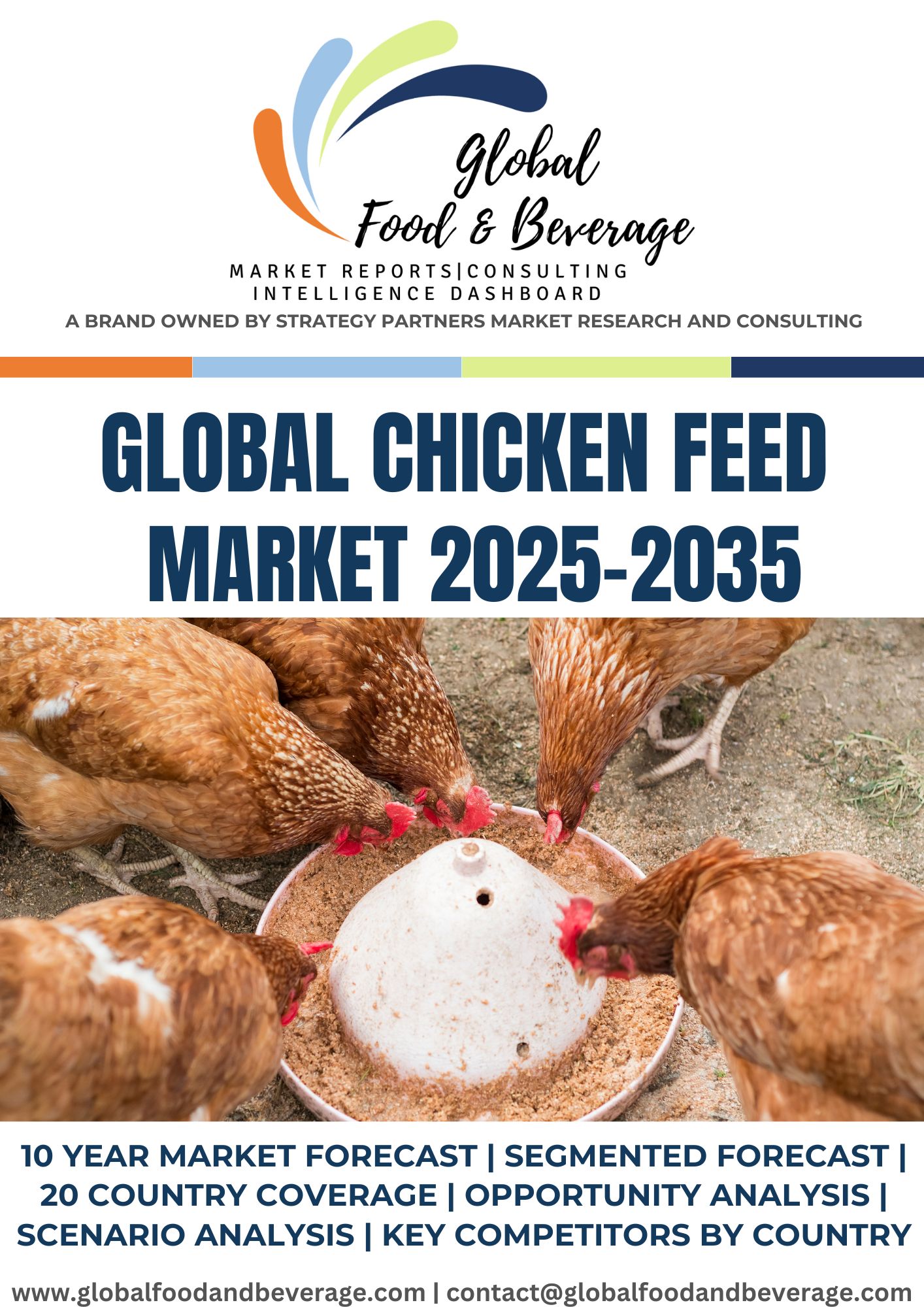
Chicken feed is a vital component of poultry farming, directly influencing the health, productivity, and overall well-being of chickens. Whether chickens are raised for meat (broilers) or egg production (layers), their diet must be carefully formulated to meet their nutritional requirements at various stages of growth. Modern chicken feed is not simply a matter of scattering grains; it is a science-based blend of energy sources, proteins, vitamins, minerals, and additives designed to maximize performance, minimize disease risk, and ensure high-quality meat or egg output. The efficiency and economics of poultry farming depend heavily on the quality and composition of chicken feed.
At its core, chicken feed provides energy, primarily from carbohydrates and fats, which fuels all bodily functions including movement, digestion, and reproduction. Common energy-rich ingredients include corn, wheat, barley, sorghum, and sometimes millet, depending on regional availability and cost. Corn is among the most widely used cereals due to its high energy content and digestibility. However, reliance on a single grain can limit nutrient diversity, so feed producers often mix multiple grains or add by-products like wheat bran or rice polish to improve fiber and nutrient balance.
Protein is another critical component of chicken feed. Proteins provide essential amino acids required for muscle development, feather growth, egg formation, and immune function. Chickens cannot synthesize certain amino acids on their own, such as lysine and methionine, so these must be present in adequate amounts in their diet. Common protein sources include soybean meal, canola meal, sunflower meal, fishmeal, and sometimes meat and bone meal in non-vegetarian feeds. In organic and vegetarian systems, legumes like peas and lupins, or even insects, are gaining popularity as sustainable alternatives.
Chickens also need fats in their diet, not only as a concentrated source of energy but also for the absorption of fat-soluble vitamins such as A, D, E, and K. Fats improve the palatability of feed and help reduce dustiness. Animal fats, vegetable oils (such as soybean, palm, or sunflower oil), and blended fat products are often added to feed formulations. The choice depends on availability, cost, and specific performance needs, as fats can influence egg size, yolk color, and skin finish in meat birds.
Vitamins and minerals, though required in small amounts, are essential to support numerous physiological functions. Calcium and phosphorus are particularly important in laying hens, as calcium is heavily drawn upon for eggshell formation. Deficiencies can lead to thin-shelled or misshapen eggs and skeletal problems. Phosphorus must be in a form chickens can absorb—often from inorganic phosphates or phytase enzyme-treated grains. Trace minerals such as zinc, selenium, manganese, and iodine support reproductive health, metabolism, and immune responses. Vitamin premixes are routinely added to commercial feeds to ensure chickens receive balanced levels of B-complex, C, and fat-soluble vitamins.
Feed formulation varies by age, breed, and purpose. Starter feed is designed for chicks and is typically high in protein (around 20–24%) to support rapid growth during the first few weeks of life. Grower feed follows, slightly lower in protein but with balanced energy to prevent excessive fat buildup. For layers, the transition to layer feed begins around 16 to 18 weeks of age, just before hens start laying. Layer feed contains more calcium and specific nutrients to support eggshell strength and consistent laying. Broiler feeds, on the other hand, are formulated to promote fast growth, often in phases—starter, grower, and finisher—to match the birds’ changing needs and optimize feed conversion ratios.
Texture and form also play an important role in feed efficacy. Chicken feed can be delivered as mash, crumbles, or pellets. Mash is finely ground and suitable for chicks or backyard poultry but can lead to feed wastage. Crumbles are coarsely ground and easier for young birds to eat without waste. Pellets, made by compressing feed into uniform shapes, are common in commercial operations due to their convenience, reduced wastage, and uniform nutrient distribution. Pelletizing also enhances digestibility and reduces pathogen load due to the heat involved in processing.
Medicated feeds are often used during early life stages to prevent common bacterial or parasitic infections such as coccidiosis. These feeds contain approved doses of antibiotics or coccidiostats, though their use is increasingly restricted or phased out in many regions due to concerns over antibiotic resistance. As a result, alternatives such as probiotics, prebiotics, essential oils, and organic acids are being incorporated to maintain gut health and improve disease resistance. These additives promote a healthy gut microbiota, improve nutrient absorption, and may even enhance feed efficiency.
In recent years, feed sustainability has become a pressing concern. Traditional protein sources like soy and fishmeal have significant environmental footprints due to deforestation, overfishing, and high carbon emissions. Researchers and feed manufacturers are exploring more sustainable alternatives such as insect meal (e.g., black soldier fly larvae), algae, and single-cell proteins derived from fungi or bacteria. These innovative ingredients offer promising nutritional profiles with lower ecological impacts. Additionally, using agricultural by-products like distillers dried grains, brewers yeast, or bakery waste helps reduce food system waste and create a circular economy around feed production.
Feed costs constitute the largest portion—often up to 70%—of total poultry production expenses. Efficient feed conversion (the amount of feed required to produce a unit of meat or eggs) is therefore a top priority. Advances in genetic selection, precision feeding, and nutritional science have enabled poultry producers to optimize growth and laying performance while minimizing waste. Computerized feed formulation software, real-time sensors in poultry houses, and automated feeding systems allow precise delivery of feed tailored to birds’ needs, reducing both underfeeding and overfeeding.
Organic and pasture-raised chicken operations have different feed requirements. These systems prohibit the use of synthetic additives and genetically modified ingredients. Organic feed must be made from certified organic grains, and protein sources must also be organic or naturally derived. While these feeds are often more expensive and sometimes harder to source, they cater to a growing consumer market demanding transparency, animal welfare, and environmentally friendly production. Pasture-based systems supplement feed with forage, insects, and other natural food sources, but still require a balanced base diet to ensure productivity.
Water is often overlooked but is equally important as feed. Chickens must have constant access to clean, fresh water to digest feed and absorb nutrients effectively. Water intake is closely tied to feed intake—if water is restricted or contaminated, feed consumption drops and health deteriorates. Electrolytes, vitamins, or medications may sometimes be administered via drinking water, especially during heat stress or disease outbreaks.
Ultimately, chicken feed is not a one-size-fits-all commodity. It must be tailored to the specific needs of the flock, economic conditions, production goals, and ethical or regulatory requirements. It intersects with animal science, agronomy, environmental policy, and market economics. As global demand for poultry products continues to rise, the importance of high-quality, sustainable, and efficient chicken feed will only grow. Whether in backyard coops or industrial-scale farms, proper nutrition through balanced feed is the foundation of successful poultry production and animal welfare.
Table of Content
1 Market Introduction- Global Chicken feed Market
1.1 Market Segmentation- Global Chicken feed Market
1.2 Key Trends- Global Chicken feed Market
1.2.1 Drivers
1.2.2 Restraints
1.2.3 Type
2 Global Market Forecast- Global Chicken feed Market
1. By Region
2. By Type
3. By Application
3 Country Wise Forecast- Global Chicken feed Market
3.1 US
3.1.1 Key Trends
3.1.2 Consumer Spending
o Population
o GDP
o CPI
o Spend per Capita
o Spend as a proportion of GDP
3.1.3 Market Forecast- US Chicken feed Market
1.By Type
2.By Application
3.1.4 Key Competitors- US Chicken feed Market
3.1.5 EXIM
3.1.6 Patents
3.1.7 Scenario Analysis- US Chicken feed Market
3.1.8 Opportunity Analysis- US Chicken feed Market
3.2 Canada
3.2.1 Key Trends
3.2.2 Consumer Spending
o Population
o GDP
o CPI
o Spend per Capita
o Spend as a proportion of GDP
3.2.3 Market Forecast- Canada Chicken feed Market
1.By Type
2.By Application
3.2.4 Key Competitors- Canada Chicken feed Market
3.2.5 EXIM
3.2.6 Patents
3.2.7 Scenario Analysis- Canada Chicken feed Market
3.2.8 Opportunity Analysis- Canada Chicken feed Market
3.3 UK
3.3.1 Key Trends
3.3.2 Consumer Spending
o Population
o GDP
o CPI
o Spend per Capita
o Spend as a proportion of GDP
3.3.3 Market Forecast- UK Chicken feed Market
1.By Type
2.By Application
3.3.4 Key Competitors- UK Chicken feed Market
3.3.5 EXIM
3.3.6 Patents
3.3.7 Scenario Analysis- UK Chicken feed Market
3.3.8 Opportunity Analysis- UK Chicken feed Market
3.4 Germany
3.4.1 Key Trends
3.4.2 Consumer Spending
o Population
o GDP
o CPI
o Spend per Capita
o Spend as a proportion of GDP
3.4.3 Market Forecast- Germany Chicken feed Market
1.By Type
2.By Application
3.4.4 Key Competitors- Germany Chicken feed Market
3.4.5 EXIM
3.4.6 Patents
3.4.7 Scenario Analysis- Germany Chicken feed Market
3.4.8 Opportunity Analysis- Germany Chicken feed Market
3.5 France
3.5.1 Key Trends
3.5.2 Consumer Spending
o Population
o GDP
o CPI
o Spend per Capita
o Spend as a proportion of GDP
3.5.3 Market Forecast- France Chicken feed Market
1.By Type
2.By Application
3.5.4 Key Competitors- France Chicken feed Market
3.5.5 EXIM
3.5.6 Patents
3.5.7 Scenario Analysis- France Chicken feed Market
3.5.8 Opportunity Analysis- France Chicken feed Market
3.6 Italy
3.6.1 Key Trends
3.6.2 Consumer Spending
o Population
o GDP
o CPI
o Spend per Capita
o Spend as a proportion of GDP
3.6.3 Market Forecast- Italy Chicken feed Market
1.By Type
2.By Application
3.6.4 Key Competitors- Italy Chicken feed Market
3.6.5 EXIM
3.6.6 Patents
3.6.7 Scenario Analysis- Italy Chicken feed Market
3.6.8 Opportunity Analysis- Italy Chicken feed Market
3.7 Ireland
3.7.1 Key Trends
3.7.2 Consumer Spending
o Population
o GDP
o CPI
o Spend per Capita
o Spend as a proportion of GDP
3.7.3 Market Forecast- Ireland Chicken feed Market
1.By Type
2.By Application
3.7.4 Key Competitors- Ireland Chicken feed Market
3.7.5 EXIM
3.7.6 Patents
3.7.7 Scenario Analysis- Ireland Chicken feed Market
3.7.8 Opportunity Analysis- Ireland Chicken feed Market
3.8 Spain
3.8.1 Key Trends
3.8.2 Consumer Spending
o Population
o GDP
o CPI
o Spend per Capita
o Spend as a proportion of GDP
3.8.3 Market Forecast- Spain Chicken feed Market
1.By Type
2.By Application
3.8.4 Key Competitors- Spain Chicken feed Market
3.8.5 EXIM
3.8.6 Patents
3.8.7 Scenario Analysis- Spain Chicken feed Market
3.8.8 Opportunity Analysis- Spain Chicken feed Market
3.9 Belgium
3.9.1 Key Trends
3.9.2 Consumer Spending
o Population
o GDP
o CPI
o Spend per Capita
o Spend as a proportion of GDP
3.9.3 Market Forecast- Belgium Chicken feed Market
1.By Type
2.By Application
3.9.4 Key Competitors- Belgium Chicken feed Market
3.9.5 EXIM
3.9.6 Patents
3.9.7 Scenario Analysis- Belgium Chicken feed Market
3.9.8 Opportunity Analysis- Belgium Chicken feed Market
3.10 Switzerland
3.10.1 Key Trends
3.10.2 Consumer Spending
o Population
o GDP
o CPI
o Spend per Capita
o Spend as a proportion of GDP
3.10.3 Market Forecast- Switzerland Chicken feed Market
1.By Type
2.By Application
3.10.4 Key Competitors- Switzerland Chicken feed Market
3.10.5 EXIM
3.10.6 Patents
3.10.7 Scenario Analysis- Switzerland Chicken feed Market
3.10.8 Opportunity Analysis- Switzerland Chicken feed Market
3.11 Sweden
3.11.1 Key Trends
3.11.2 Consumer Spending
o Population
o GDP
o CPI
o Spend per Capita
o Spend as a proportion of GDP
3.11.3 Market Forecast- Sweden Chicken feed Market
1.By Type
2.By Application
3.11.4 Key Competitors- Sweden Chicken feed Market
3.11.5 EXIM
3.11.6 Patents
3.11.7 Scenario Analysis- Sweden Chicken feed Market
3.11.8 Opportunity Analysis- Sweden Chicken feed Market
3.12 Portugal
3.12.1 Key Trends
3.12.2 Consumer Spending
o Population
o GDP
o CPI
o Spend per Capita
o Spend as a proportion of GDP
3.12.3 Market Forecast- Portugal Chicken feed Market
1.By Type
2.By Application
3.12.4 Key Competitors- Portugal Chicken feed Market
3.12.5 EXIM
3.12.6 Patents
3.12.7 Scenario Analysis- Portugal Chicken feed Market
3.12.8 Opportunity Analysis- Portugal Chicken feed Market
3.13 The Netherlands
3.13.1 Key Trends
3.13.2 Consumer Spending
o Population
o GDP
o CPI
o Spend per Capita
o Spend as a proportion of GDP
3.13.3 Market Forecast- Netherlands Chicken feed Market
1.By Type
2.By Application
3.13.4 Key Competitors- Netherlands Chicken feed Market
3.13.5 EXIM
3.13.6 Patents
3.13.7 Scenario Analysis- Netherlands Chicken feed Market
3.13.8 Opportunity Analysis- Netherlands Chicken feed Market
3.14 Brazil
3.14.1 Key Trends
3.14.2 Consumer Spending
o Population
o GDP
o CPI
o Spend per Capita
o Spend as a proportion of GDP
3.14.3 Market Forecast- Brazil Chicken feed Market
1.By Type
2.By Application
3.14.4 Key Competitors- Brazil Chicken feed Market
3.14.5 EXIM
3.14.6 Patents
3.14.7 Scenario Analysis- Brazil Chicken feed Market
3.14.8 Opportunity Analysis- Brazil Chicken feed Market
3.15 Mexico
3.15.1 Key Trends
3.15.2 Consumer Spending
o Population
o GDP
o CPI
o Spend per Capita
o Spend as a proportion of GDP
3.15.3 Market Forecast- Mexico Chicken feed Market
1.By Type
2.By Application
3.15.4 Key Competitors- Mexico Chicken feed Market
3.15.5 EXIM
3.15.6 Patents
3.15.7 Scenario Analysis- Mexico Chicken feed Market
3.15.8 Opportunity Analysis- Mexico Chicken feed Market
3.16 Australia
3.16.1 Key Trends
3.16.2 Consumer Spending
o Population
o GDP
o CPI
o Spend per Capita
o Spend as a proportion of GDP
3.16.3 Market Forecast- Australia Chicken feed Market
1.By Type
2.By Application
3.16.4 Key Competitors- Australia Chicken feed Market
3.16.5 EXIM
3.16.6 Patents
3.16.7 Scenario Analysis- Australia Chicken feed Market
3.16.8 Opportunity Analysis- Australia Chicken feed Market
3.17 China
3.17.1 Key Trends
3.17.2 Consumer Spending
o Population
o GDP
o CPI
o Spend per Capita
o Spend as a proportion of GDP
3.17.3 Market Forecast- China Chicken feed Market
1.By Type
2.By Application
3.17.4 Key Competitors- China Chicken feed Market
3.17.5 EXIM
3.17.6 Patents
3.17.7 Scenario Analysis- China Chicken feed Market
3.17.8 Opportunity Analysis- China Chicken feed Market
3.18 Indonesia
3.18.1 Key Trends
3.18.2 Consumer Spending
o Population
o GDP
o CPI
o Spend per Capita
o Spend as a proportion of GDP
3.18.3 Market Forecast- Indonesia Chicken feed Market
1.By Type
2.By Application
3.18.4 Key Competitors- Indonesia Chicken feed Market
3.18.5 EXIM
3.18.6 Patents
3.18.7 Scenario Analysis- Indonesia Chicken feed Market
3.18.8 Opportunity Analysis- Indonesia Chicken feed Market
3.19 India
3.19.1 Key Trends
3.19.2 Consumer Spending
o Population
o GDP
o CPI
o Spend per Capita
o Spend as a proportion of GDP
3.19.3 Market Forecast- India Chicken feed Market
1.By Type
2.By Application
3.19.4 Key Competitors- India Chicken feed Market
3.19.5 EXIM
3.19.6 Patents
3.19.7 Scenario Analysis- India Chicken feed Market
3.19.8 Opportunity Analysis- India Chicken feed Market
3.20 Japan
3.20.1 Key Trends
3.20.2 Consumer Spending
o Population
o GDP
o CPI
o Spend per Capita
o Spend as a proportion of GDP
3.20.3 Market Forecast- Japan Chicken feed Market
1.By Type
2.By Application
3.20.4 Key Competitors- Japan Chicken feed Market
3.20.5 EXIM
3.20.6 Patents
3.20.7 Scenario Analysis- Japan Chicken feed Market
3.20.8 Opportunity Analysis- Japan Chicken feed Market
3.21 South Korea
3.21.1 Key Trends
3.21.2 Consumer Spending
o Population
o GDP
o CPI
o Spend per Capita
o Spend as a proportion of GDP
3.21.3 Market Forecast- South Korea Chicken feed Market
1.By Type
2.By Application
3.21.4 Key Competitors- South Korea Chicken feed Market
3.21.5 EXIM
3.21.6 Patents
3.21.7 Scenario Analysis- South Korea Chicken feed Market
3.21.8 Opportunity Analysis- South Korea Chicken feed Market
3.22 Thailand
3.22.1 Key Trends
3.22.2 Consumer Spending
o Population
o GDP
o CPI
o Spend per Capita
o Spend as a proportion of GDP
3.22.3 Market Forecast- Thailand Chicken feed Market
1.By Type
2.By Application
3.22.4 Key Competitors- Thailand Chicken feed Market
3.22.5 EXIM
3.22.6 Patents
3.22.7 Scenario Analysis- Thailand Chicken feed Market
3.22.8 Opportunity Analysis- Thailand Chicken feed Market
3.23 Malaysia
3.23.1 Key Trends
3.23.2 Consumer Spending
o Population
o GDP
o CPI
o Spend per Capita
o Spend as a proportion of GDP
3.23.3 Market Forecast- Malaysia Chicken feed Market
1.By Type
2.By Application
3.23.4 Key Competitors- Malaysia Chicken feed Market
3.23.5 EXIM
3.23.6 Patents
3.23.7 Scenario Analysis- Malaysia Chicken feed Market
3.23.8 Opportunity Analysis- Malaysia Chicken feed Market
3.24 Singapore
3.24.1 Key Trends
3.24.2 Consumer Spending
o Population
o GDP
o CPI
o Spend per Capita
o Spend as a proportion of GDP
3.24.3 Market Forecast- Singapore Chicken feed Market
1.By Type
2.By Application
3.24.4 Key Competitors- Singapore Chicken feed Market
3.24.5 EXIM
3.24.6 Patents
3.24.7 Scenario Analysis- Singapore Chicken feed Market
3.24.8 Opportunity Analysis- Singapore Chicken feed Market
4 Opportunity Matrix- Global Chicken feed Market
5 Conclusions and Recommendations- Global Chicken feed Market
6 About Global Food & Beverages