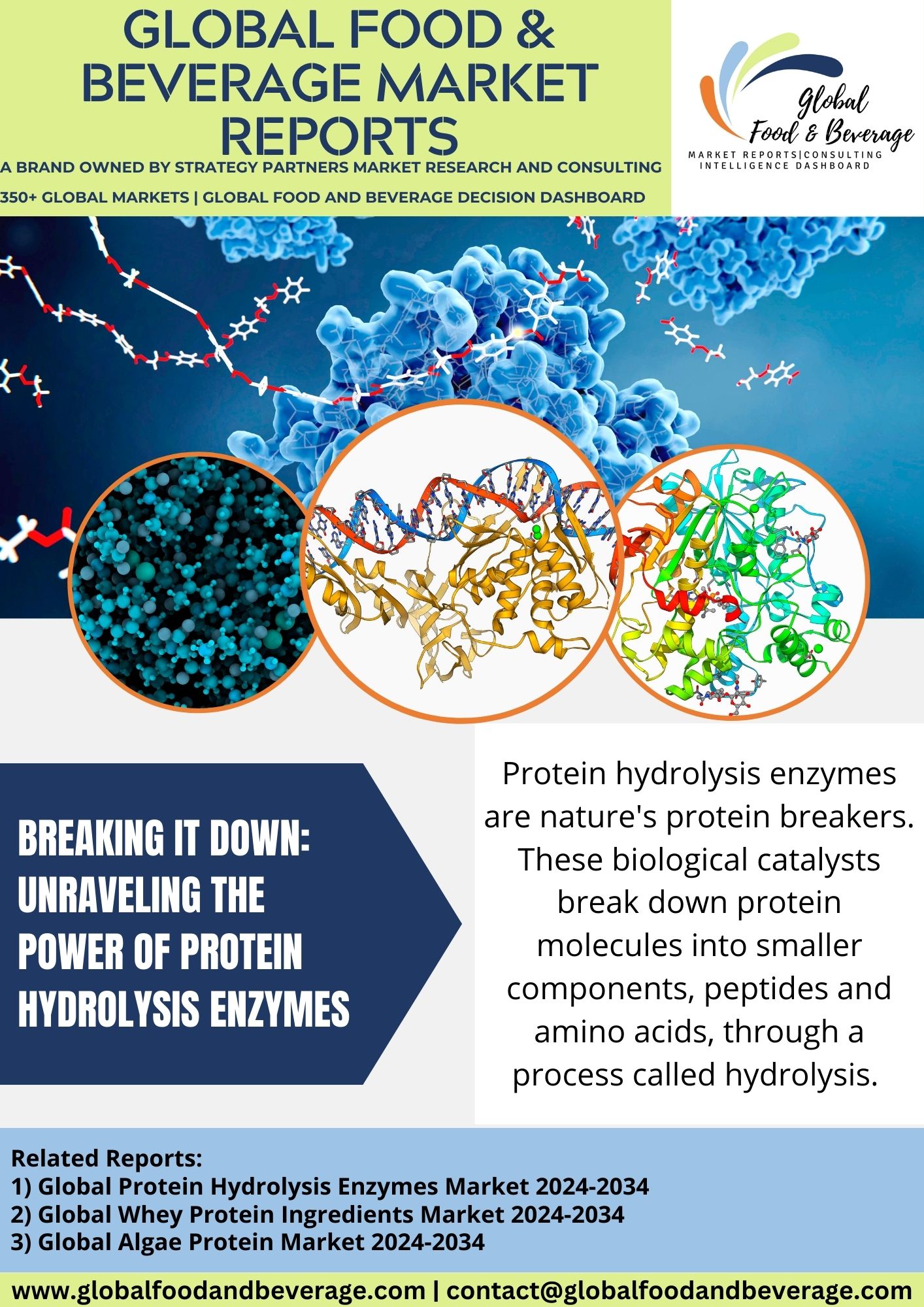
Protein hydrolysis enzymes
Protein hydrolysis enzymes play a pivotal role in breaking down proteins into smaller peptides and amino acids through a process known as hydrolysis. These enzymes, often referred to as proteases or peptidases, are essential in various industrial applications, particularly in the food and pharmaceutical industries, where precise control over protein breakdown is crucial.
In the food industry, protein hydrolysis enzymes contribute to the production of hydrolyzed proteins, which find applications in numerous products. Hydrolyzed proteins are often used as flavor enhancers, providing a savory or umami taste to foods. Additionally, they serve as functional ingredients in products like soups, sauces, and processed meats, improving texture, solubility, and stability.
Proteases used in protein hydrolysis can be derived from various sources, including plants, animals, and microorganisms. Microbial proteases, such as those from bacteria and fungi, are commonly employed due to their efficiency, scalability, and the ability to tailor their properties through genetic engineering.
In the pharmaceutical industry, protein hydrolysis enzymes play a crucial role in the production of peptides and amino acids used in drug formulations. These enzymes aid in the controlled breakdown of proteins to obtain specific bioactive peptides or individual amino acids, which can have therapeutic applications.
The enzyme catalysis in protein hydrolysis is highly specific, allowing for targeted cleavage of peptide bonds. This specificity is advantageous in producing hydrolysates with desired functional and nutritional properties. Moreover, the controlled hydrolysis of proteins enables the creation of hypoallergenic protein sources, addressing allergenic concerns associated with certain intact proteins.
The global market for protein hydrolysis enzymes continues to expand, driven by the increasing demand for specialized protein ingredients in the food, pharmaceutical, and biotechnology sectors. Advances in enzyme engineering and bioprocessing technologies contribute to the optimization of these enzymes for specific applications, further enhancing their efficiency and versatility in protein hydrolysis.
ADVANCEMENT:
Advancements in protein hydrolysis enzymes have marked a significant stride in various industries, particularly in food processing, pharmaceuticals, and biotechnology. These enzymes play a crucial role in breaking down complex proteins into smaller peptides and amino acids, facilitating improved bioavailability and functional characteristics.
Enzyme engineering and protein modification techniques have enhanced the specificity and efficiency of protein hydrolysis. This precision allows for targeted breakdown of proteins into bioactive peptides with potential health benefits, such as antioxidant, antimicrobial, and antihypertensive properties.
In the food industry, protein hydrolysis enzymes contribute to the production of hydrolysates used in flavor enhancement, nutritional supplementation, and the development of hypoallergenic products. These enzymes enable the creation of protein hydrolysates with tailored functionalities, addressing specific requirements in diverse applications.
Technological advancements, such as immobilization techniques and optimized reaction conditions, improve the stability and reusability of protein hydrolysis enzymes. This enhances the cost-effectiveness and sustainability of enzymatic processes in industrial settings.
In the pharmaceutical and nutraceutical sectors, protein hydrolysates serve as essential components in drug formulations and dietary supplements. The ability to control the degree of hydrolysis and peptide composition offers opportunities for designing therapeutic proteins with enhanced therapeutic efficacy and reduced allergenicity.
As research continues, protein hydrolysis enzymes remain central to the development of innovative products and processes, showcasing their versatility and impact across multiple industries.
CHALLENGE:
Protein hydrolysis enzymes, crucial for breaking down proteins into peptides and amino acids, face various challenges in the global market. One significant challenge is the need for specificity and efficiency in hydrolyzing diverse protein sources. Different applications, such as food processing, pharmaceuticals, and biotechnology, may require enzymes with specific substrate preferences, making customization and formulation a continuous challenge for manufacturers.
Regulatory compliance and safety considerations add complexity. Enzymes used in protein hydrolysis must meet regulatory standards for safety, quality, and purity. Navigating the diverse regulatory landscapes across regions and industries requires manufacturers to invest in compliance expertise to ensure market access and product safety.
Supply chain vulnerabilities impact the industry. The production of protein hydrolysis enzymes often relies on specific microbial strains or genetically modified organisms. Ensuring a stable supply of these biological sources while addressing concerns related to genetic engineering, sustainability, and potential supply chain disruptions is essential for the industry’s resilience.
Technological advancements and innovation are crucial for the industry’s growth. Developing new enzyme formulations, improving substrate specificity, and exploring novel applications in fields like biofuel production require ongoing research and investment in biotechnology to stay competitive in the global market.
Market competition and pricing pressures influence the industry. The global market for industrial enzymes, including protein hydrolysis enzymes, is competitive. Price fluctuations, influenced by factors like raw material costs and market demand, can impact the affordability and profitability of enzyme products.
CONCLUSION:
In conclusion, the market for protein hydrolysis enzymes is witnessing significant growth, driven by their crucial role in various industries, including food, pharmaceuticals, and biotechnology. These enzymes play a pivotal part in breaking down proteins into functional peptides, offering diverse applications. Growing demand for protein hydrolysates in nutritional supplements and the food industry, coupled with advancements in enzyme engineering, propels market expansion. Manufacturers are focusing on developing enzymes with enhanced specificity and efficiency. With increasing awareness of the benefits of protein hydrolysates, the market is poised for continued innovation and adaptation, presenting lucrative opportunities for stakeholders across the rapidly evolving industrial landscape.