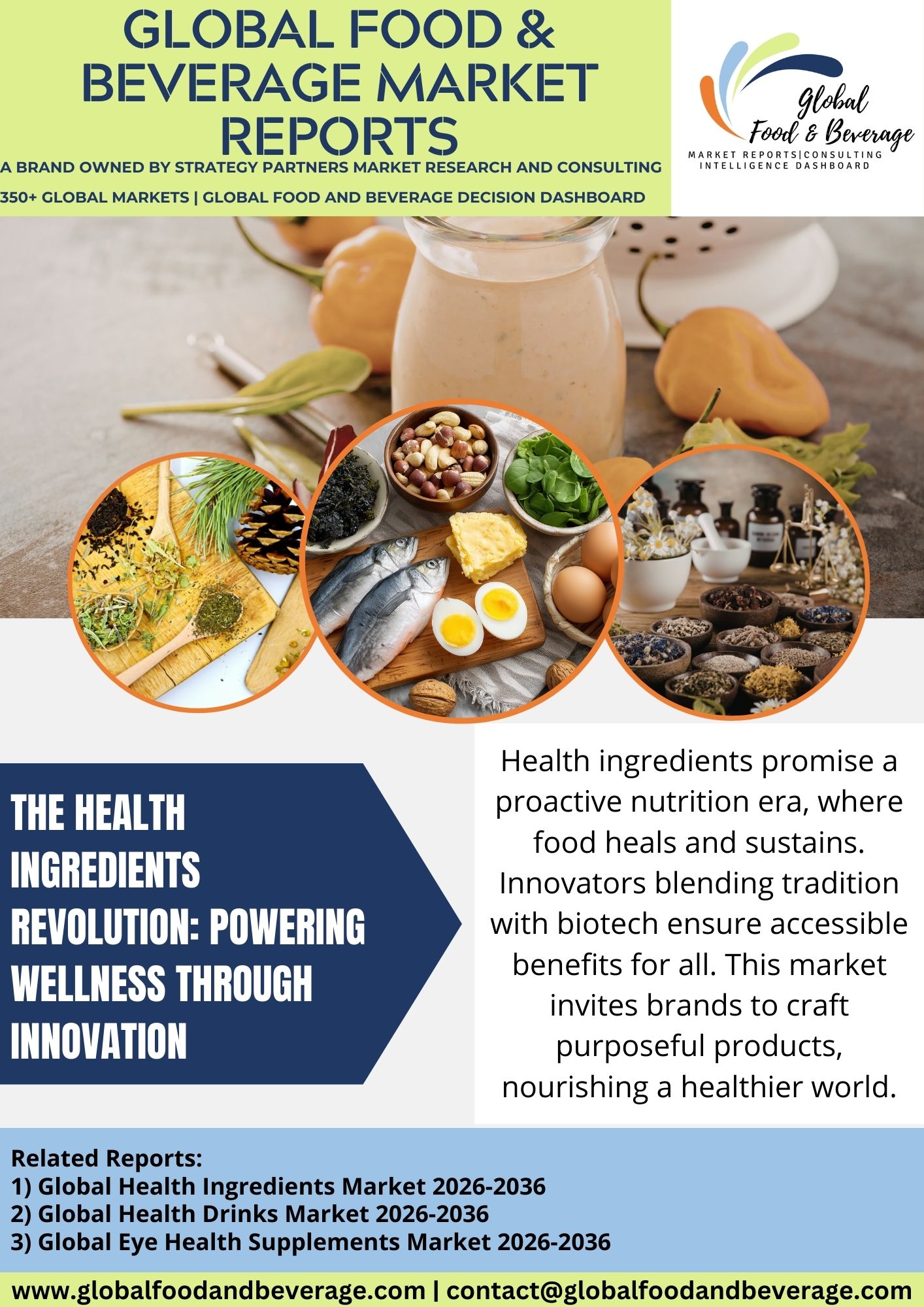
Organic energy bars represent a booming segment within the health ingredients landscape, but the broader health ingredients market encompasses a vast array of bioactive compounds transforming everyday foods into functional powerhouses. From probiotics to plant extracts, these ingredients target wellness goals like immunity, digestion, and vitality, appealing to consumers who prioritize preventive nutrition. This dynamic sector blends science, nature, and innovation, fueling products from smoothies to supplements.
Defining Health Ingredients
Health ingredients include vitamins, minerals, botanicals, proteins, and fibers engineered for specific benefits. Probiotics foster gut balance, while omega-3s from algae support heart and brain function. Plant-based proteins like pea or hemp provide complete amino profiles without animal sources, ideal for clean-label formulations.
Antioxidants such as turmeric curcumin or green tea polyphenols combat oxidative stress, finding homes in beverages and bars. Prebiotics like inulin feed beneficial microbes, enhancing overall digestion. Clean-label demands favor minimally processed options, free from artificial additives, ensuring transparency for savvy shoppers.
These components elevate staple foods into targeted solutions, bridging nutrition gaps seamlessly.
Key Drivers Fueling Growth
Rising wellness awareness propels demand as people embrace functional eating to stave off lifestyle ailments. Gut health leads, with ingredients linking microbiome balance to immunity and mood. Personalized nutrition, powered by genetic insights, tailors blends for individual needs like energy or stress relief.
Sustainability shapes sourcing, favoring regenerative farms and upcycled byproducts. Regulatory support for novel foods accelerates approvals, while e-commerce democratizes access to global botanicals. Aging populations seek longevity boosters like collagen alternatives and NAD+ precursors.
Consumer shifts toward plant-powered, allergen-free options amplify versatility across demographics.
Production and Innovation Processes
Extraction techniques evolve, from supercritical CO2 for potent herbals to fermentation for bioavailable vitamins. Precision tech crafts hybrid proteins mimicking dairy textures, perfect for yogurts or cheeses. Liposomal encapsulation shields sensitive nutrients through digestion, boosting efficacy.
Scalable facilities emphasize traceability via blockchain, verifying organic or non-GMO status. R&D labs test synergies, like pairing ashwagandha with L-theanine for calm focus. Upcycling fruit peels or nut shells into fibers cuts waste, aligning with circular principles.
Collaborations between food scientists and farmers ensure fresh, potent supplies year-round.
Major Categories and Applications
Proteins dominate with pea, fava, and chickpea isolates fortifying bars, shakes, and meats. Vitamins—especially C, D, and B-complex—fortify cereals and drinks for immunity. Botanical extracts like elderberry or ginger target colds and inflammation in gummies and teas.
Fibers and prebiotics enhance bakery and snacks for satiety. Omega-rich algal oils suit vegan capsules. In pet foods and cosmetics, these ingredients cross boundaries, supporting skin and coat health.
Beverages lead integration, with adaptogen-infused waters or protein lattes.
Leading Players and Strategies
Global giants like Kerry Group and ADM expand portfolios through acquisitions, securing plant protein pipelines. BASF and DSM innovate in synthetic biology for sustainable vitamins. Startups pioneer mushroom nootropics or seaweed minerals, partnering with retailers for rapid scaling.
Private labels offer affordable entry, while premium brands emphasize clinical backing. E-commerce subscriptions deliver customized kits, fostering loyalty. Trade shows showcase prototypes, sparking co-developments.
Regional Dynamics
North America drives clean-label demands, favoring superfoods like acai. Europe enforces strict organics, spotlighting polyphenols. Asia-Pacific leverages turmeric and ginseng traditions, exporting to global markets. Latin America contributes quinoa proteins, while Africa explores moringa.
Urbanization in emerging regions boosts fortified staples.
Challenges Facing the Sector
Sensory hurdles—like bitter aftertastes—prompt flavor-masking tech. Supply volatility from climate pushes diversified sourcing. Cost barriers slow mainstream adoption, countered by efficient processing. Regulatory variances across borders demand agile compliance.
Label claims scrutiny builds consumer trust through third-party verifications.
Emerging Trends to Watch
Gut-brain axis ingredients, like psychobiotics, link digestion to cognition. Women’s health focuses on hormone-balancing botanicals. Longevity actives, such as resveratrol, target cellular repair. High-protein snacks evolve with fungi blends for meatiness.
Mental wellness adaptogens infuse ready-drinks. Zero-sugar sweeteners from monk fruit pair with fibers.
Sustainability Imperative
Eco-sourcing dominates, with carbon-neutral farms and biodegradable packaging. ESG compliance attracts investors, favoring traceable chains. Water-efficient extraction and regenerative practices restore soils, appealing to ethical buyers.
Future Outlook
Health ingredients promise a proactive nutrition era, where food heals and sustains. Innovators blending tradition with biotech ensure accessible benefits for all. This market invites brands to craft purposeful products, nourishing a healthier world.