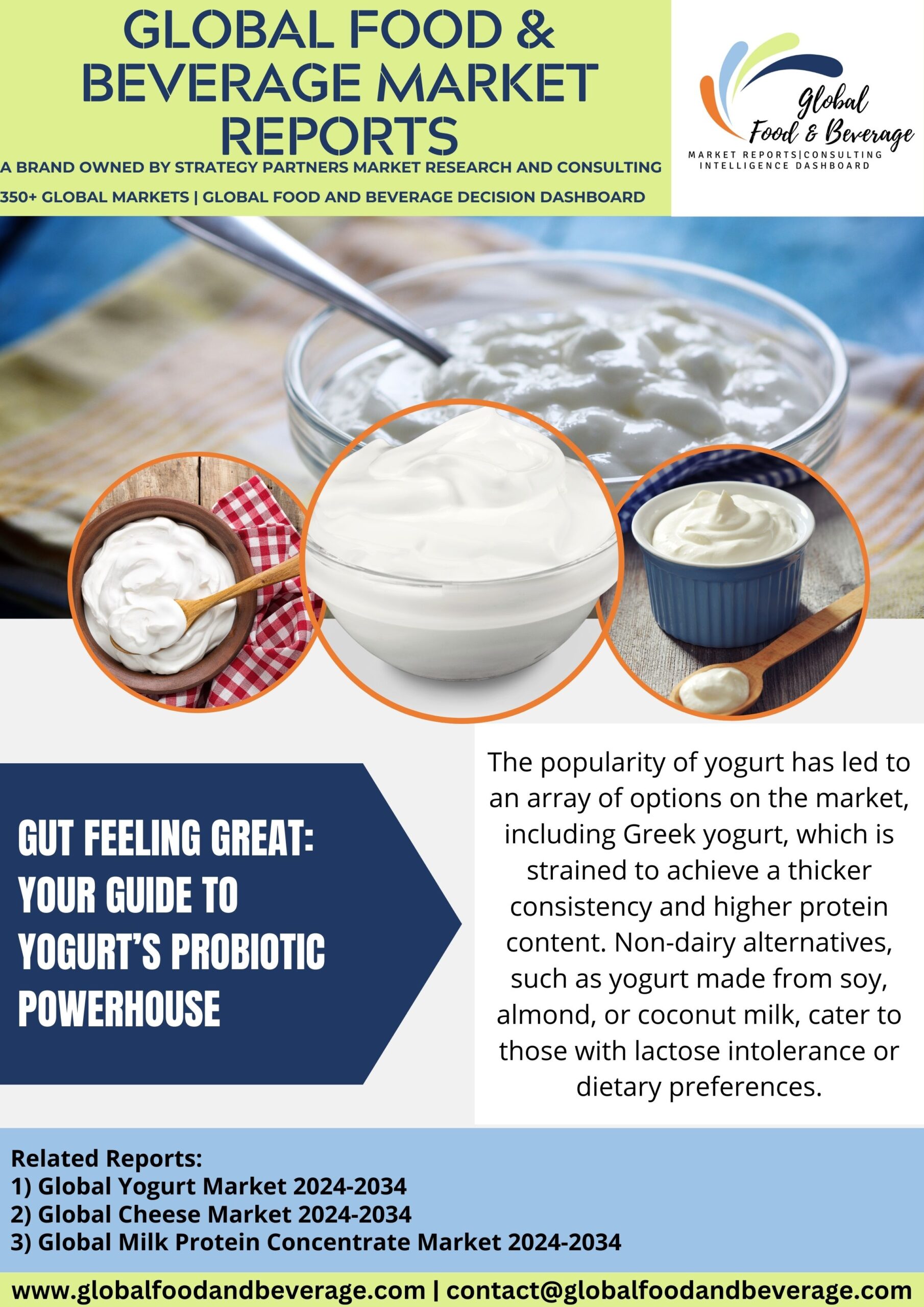
Yogurt, a cultured dairy product with a rich history spanning centuries, has become a staple in diets worldwide. This versatile and nutritious food is the result of fermenting milk with beneficial bacteria, predominantly Lactobacillus bulgaricus and Streptococcus thermophilus. The fermentation process transforms milk sugars into lactic acid, thickening the liquid and creating the distinct taste and texture of yogurt.
Traditionally consumed in various forms across cultures, yogurt offers a myriad of health benefits. One of its key attributes is the presence of probiotics, live beneficial bacteria that contribute to gut health. Probiotics can aid digestion, boost the immune system, and promote a balanced microbial environment in the digestive tract.
Beyond its probiotic content, yogurt is a rich source of essential nutrients. It is an excellent source of high-quality protein, calcium, vitamin B12, and riboflavin. The protein in yogurt makes it a satisfying and satiating snack, contributing to feelings of fullness.
Yogurt’s versatility extends to both sweet and savory applications. In its natural form, it can be enjoyed on its own or with toppings like fruit, honey, or granola. It serves as a base for smoothies, a topping for desserts, and a key ingredient in a variety of culinary creations. Savory yogurt dishes, such as tzatziki in Mediterranean cuisine or raita in Indian cuisine, highlight its adaptability.
The popularity of yogurt has led to an array of options on the market, including Greek yogurt, which is strained to achieve a thicker consistency and higher protein content. Non-dairy alternatives, such as yogurt made from soy, almond, or coconut milk, cater to those with lactose intolerance or dietary preferences.
In recent years, yogurt has evolved beyond the traditional dairy aisle, with an increasing focus on probiotic-rich fermented foods. This has contributed to the rise of artisanal and specialty yogurts, emphasizing unique flavors, textures, and the use of diverse milk sources.
Yogurt’s enduring appeal lies not only in its delightful taste but also in its nutritional profile and versatility, making it a wholesome and enjoyable addition to a balanced diet. Whether enjoyed as a snack, a meal component, or a culinary ingredient, yogurt continues to be a celebrated and nourishing choice for people of all ages.
ADVANCEMENT:
In recent years, the yogurt industry has witnessed notable advancements, transforming this dairy product into a hub of innovation and health-conscious options. Traditional yogurt varieties have expanded to include an array of novel flavors and textures, catering to diverse consumer preferences. The incorporation of various fruits, nuts, and seeds has not only elevated the taste but also enhanced the nutritional profile, making yogurt a versatile and appealing snack or meal component.
Probiotics, live beneficial bacteria with health-promoting properties, have become a focal point in yogurt development. Researchers have explored and identified specific strains that contribute to digestive health and immune system support, turning yogurt into a functional food. Additionally, advancements in fermentation technologies have allowed for the creation of dairy-free yogurt alternatives, meeting the demands of lactose-intolerant and vegan consumers.
The advent of Greek yogurt has marked a significant trend, characterized by its thicker consistency and higher protein content. This variation has gained immense popularity, reflecting a broader shift toward protein-rich and satiating food options.
Moreover, the integration of smart packaging technologies, ensuring freshness and extending shelf life, has added convenience for consumers. As the yogurt market continues to evolve, these innovations collectively contribute to an expanding and dynamic industry that caters to evolving consumer preferences and health-conscious lifestyles.
CHALLENGE:
The yogurt industry encounters challenges that span production, market dynamics, and changing consumer preferences. One significant challenge is the variability in milk supply. Fluctuations in milk production, influenced by factors like weather conditions and economic pressures on dairy farmers, can impact the availability and pricing of milk, a primary ingredient in yogurt. Securing a stable and cost-effective milk supply is crucial for the industry’s sustainability.
Market competition poses another challenge. The yogurt market is diverse, with numerous brands offering a wide range of products, including traditional, Greek, plant-based, and specialty yogurts. Differentiating products, maintaining quality, and meeting evolving consumer preferences require constant innovation, strategic marketing, and adaptability to changing trends.
Sustainability concerns are increasingly relevant in the yogurt industry. From responsible sourcing of milk to eco-friendly packaging, consumers are demanding more sustainable practices. Yogurt manufacturers must address environmental considerations in production, packaging, and distribution to align with consumer expectations and promote long-term sustainability.
Changing consumer preferences, including a shift towards plant-based alternatives and dairy-free options, present challenges for traditional dairy yogurt producers. Adapting to these preferences by diversifying product offerings or incorporating alternative ingredients is crucial to stay competitive in a dynamic market.
Lastly, supply chain disruptions and logistics challenges can impact the yogurt industry. Events such as the COVID-19 pandemic underscore the importance of maintaining resilient supply chains to ensure a consistent flow of ingredients and products to meet market demands.
CONCLUSION:
In conclusion, yogurt stands as a globally embraced dairy product that transcends cultural and culinary boundaries. Its rich history and nutritional profile, featuring probiotics and essential nutrients, contribute to its reputation as a wholesome and versatile food. The yogurt market continues to evolve with innovations like plant-based alternatives and functional varieties. Beyond its delightful taste and creamy texture, yogurt reflects a commitment to health-conscious living. As dietary trends shift, yogurt remains a staple, adapting to diverse preferences and paving the way for a dynamic intersection of tradition and modernity in the ever-expanding world of dairy and plant-based products.