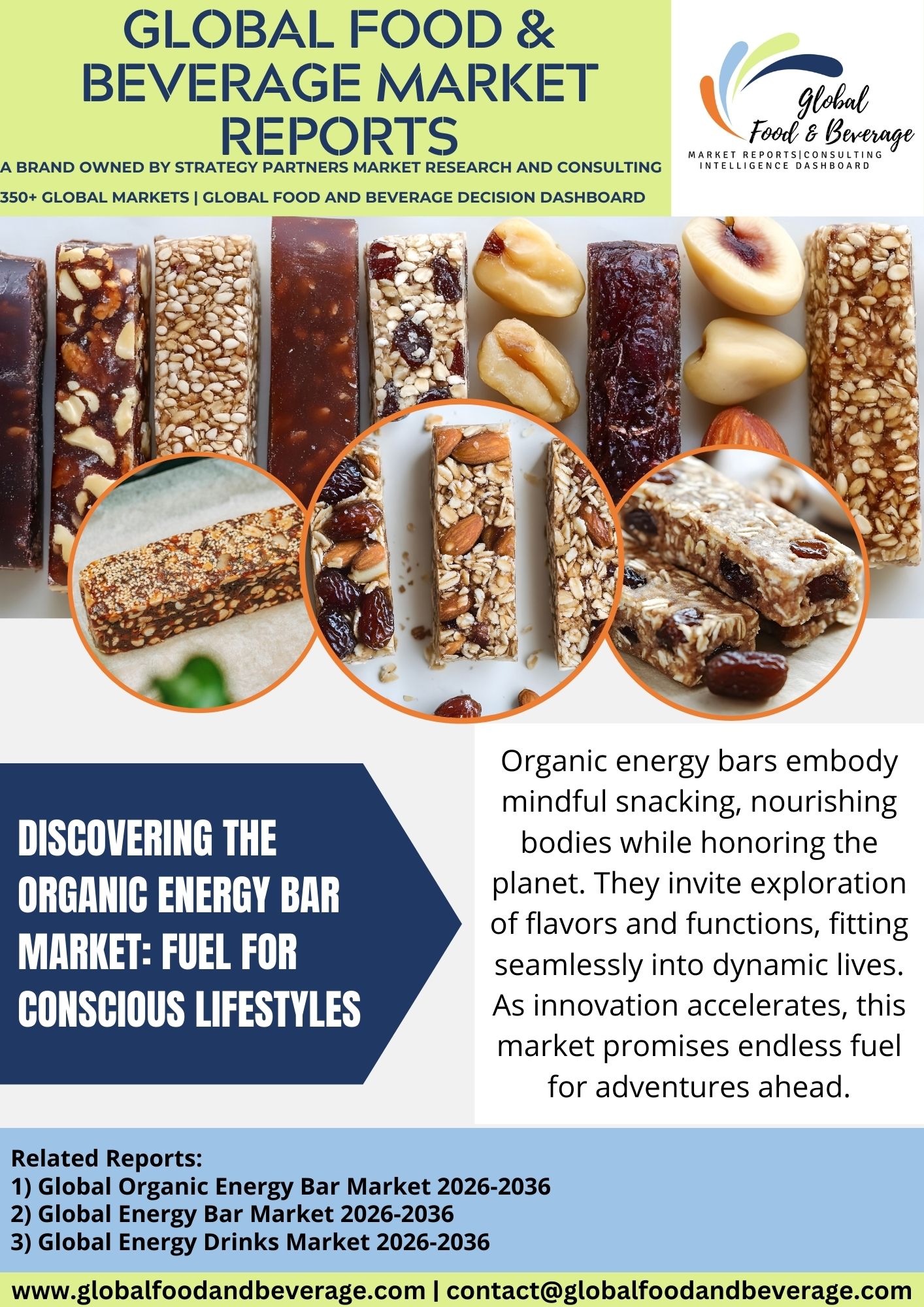
Organic energy bars have carved a niche as convenient powerhouses for active individuals seeking clean fuel on the go. Crafted from wholesome grains, nuts, seeds, and fruits grown without synthetic pesticides, these bars blend taste with purpose. This thriving market caters to athletes, busy professionals, and wellness enthusiasts, emphasizing natural ingredients and sustainable practices.
Essence of Organic Energy Bars
Organic energy bars prioritize certified organic components, ensuring purity from farm to wrapper. Oats, quinoa, almonds, dates, and chia seeds form the backbone, delivering sustained vitality without artificial additives. Unlike conventional snacks, they avoid refined sugars, opting for honey, maple syrup, or fruit purees for natural sweetness.
Textures vary from chewy clusters to crunchy bites, appealing to diverse palates. Flavors draw from superfoods like cacao nibs, goji berries, and coconut, creating indulgent yet nourishing treats. Certification seals like USDA Organic guarantee transparency, building trust among health-focused consumers.
Portability makes them ideal for hikes, workouts, or desk drawers, offering quick nourishment that stabilizes energy levels throughout the day.
Sourcing and Ingredients Spotlight
Premium organic bars source from regenerative farms that enrich soil health. Nuts and seeds hail from orchards practicing biodiversity, while grains come from fields rotated with cover crops. Exotic additions like acai or matcha arrive from fair-trade cooperatives, supporting global growers.
Minimal processing preserves nutrients—think cold-pressed nuts or air-dried fruits. Allergen-friendly options exclude dairy, soy, and gluten, broadening appeal. Innovators experiment with adaptogens like ashwagandha or mushrooms for stress relief and focus, aligning with holistic wellness trends.
This ingredient-first approach differentiates organic bars in crowded shelves, resonating with shoppers scanning labels for integrity.
Production Craftsmanship
Artisan makers hand-roll batches in small facilities, infusing love into every bar. Larger brands scale with extrusion or baking methods that retain crispness and flavor. Packaging favors compostable wrappers and recyclable pouches, minimizing plastic footprints.
Quality checks span raw material testing to final taste panels, upholding organic standards. Seasonal sourcing inspires limited-edition flavors, keeping offerings fresh and exciting. Community-driven brands partner with farms for direct supply, fostering transparency and loyalty.
Sustainability weaves through operations, from solar-powered plants to zero-waste scraps turned into animal feed.
Consumer Appeal and Lifestyles
Health-conscious eaters gravitate toward organic bars for their clean profiles, supporting gut health, immunity, and recovery. Athletes favor high-protein blends with peanut butter or hemp for muscle repair post-exercise. Parents seek kid-friendly versions with fun shapes and mild tastes, free from hidden sugars.
Office workers appreciate sustained energy without crashes, perfect for meetings or commutes. Eco-warriors choose bars backing carbon-neutral initiatives, aligning snacking with values. Social media amplifies trends, with influencers showcasing recipes and unboxings that spark viral demand.
Demographics span millennials to boomers, united by desire for convenience married to quality.
Market Dynamics and Players
The organic energy bar scene buzzes with innovative startups and established names. Family-owned ventures lead in unique flavor profiles, like turmeric-ginger or lavender-blueberry. Global giants expand lines with organic certifications, capturing mainstream grocery aisles.
Retail channels diversify: specialty health stores curate premium picks, while supermarkets stock everyday options. Online marketplaces thrive on subscription models, delivering variety monthly. Farmers’ markets and gyms host pop-ups, building direct connections.
Partnerships with fitness apps or yoga retreats bundle bars into wellness kits, enhancing visibility.
Culinary and Usage Versatility
Beyond standalone snacking, organic bars crumble into yogurt parfaits or smoothie bowls. Crushed, they top oatmeal or ice cream for texture contrast. Bakers melt them into no-bake energy balls or pie crusts, extending versatility.
Trail mixers pair bars with dried fruits for custom hikes. Meal preppers slice them into salads for protein boosts. Creative chefs experiment in high-end cafes, plating bar-inspired desserts or savory bites.
This adaptability fuels everyday integration, from breakfast rushes to midnight cravings.
Challenges in the Organic Space
Sourcing consistent organic crops battles weather variability, prompting diversified farms. Shelf life demands natural preservatives like vitamin E from tocopherols. Balancing indulgence with restraint avoids overly dense textures or bold aftertastes.
Cost pressures challenge affordability, met by efficient scaling and bulk sourcing. Regulatory evolution around “organic” claims sharpens compliance focus. Consumer education counters myths about taste or satiety, highlighting real benefits.
Emerging Trends and Innovations
Flavor fusions draw from global cuisines—think matcha-mochi or harissa-spiced nuts. Functional boosts incorporate collagen alternatives from plants or nootropics for mental clarity. Low-glycemic options cater to blood sugar management, using monk fruit or stevia.
Mini bars and bites suit portion control, while hydration-infused variants pair with electrolyte needs. Upcycled ingredients from oat mills or fruit peels advance circularity. Personalized subscriptions tailor flavors via quizzes, deepening engagement.
Plant-powered proteins from pea or fava rise, mimicking satiation of whey without dairy.
Sustainability at the Core
Organic bars champion regenerative agriculture, sequestering carbon and boosting biodiversity. Brands offset emissions through tree planting or ocean cleanups. Transparent supply chains use blockchain for traceability, letting buyers scan origins.
Eco-packaging evolves to seaweed films or mushroom materials, dissolving harmlessly. Fair wages empower farmers, creating ripple effects in rural economies. Consumer demand drives deeper commitments, from B Corp status to plastic-free pledges.
Regional Flavors and Growth
North America pioneers superfood-heavy bars, emphasizing acai and kale. Europe leans into nut-forward classics with hazelnut or pistachio twists. Asia-Pacific infuses tamarind or pandan, blending tradition with portability.
Latin America spotlights quinoa and amaranth, rooted in ancestral grains. Africa explores moringa and baobab for nutrient density. Cross-border exports weave global tastes into local favorites.
Why Organic Energy Bars Endure
Organic energy bars embody mindful snacking, nourishing bodies while honoring the planet. They invite exploration of flavors and functions, fitting seamlessly into dynamic lives. As innovation accelerates, this market promises endless fuel for adventures ahead.
For creators and retailers, the sector offers rich storytelling—from farm tales to flavor journeys—captivating audiences eager for authenticity. Embrace the bar that powers purpose.