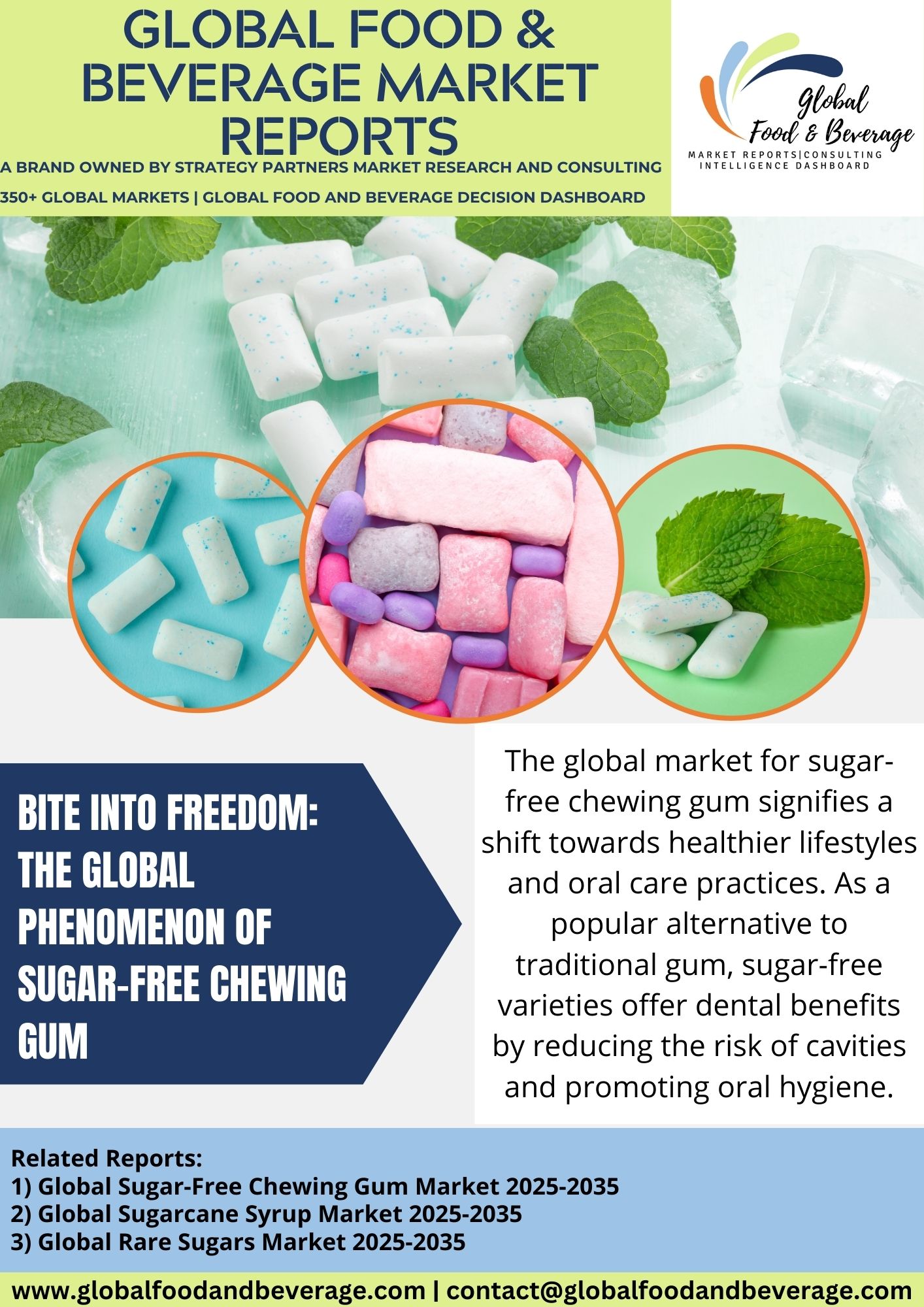
Sugar-free chewing gum has become a global phenomenon, offering a guilt-free and refreshing alternative to traditional gum sweetened with sugar. As health-conscious consumers prioritize reduced sugar intake, the market for sugar-free chewing gum has experienced significant growth, with manufacturers innovating to meet the demand for oral care products that are both enjoyable and beneficial.
One of the key drivers behind the popularity of sugar-free chewing gum is its role in dental hygiene. Chewing gum, particularly sugar-free varieties, can stimulate saliva production, which helps neutralize acids in the mouth and wash away food particles. This contributes to improved oral health by reducing the risk of tooth decay and promoting overall gum health.
Artificial sweeteners like xylitol, sorbitol, and aspartame are commonly used in the production of sugar-free gum to provide sweetness without the added sugars. These sweeteners not only cater to individuals watching their sugar intake but also contribute to the gum’s long-lasting sweetness.
Health Benefits:
Beyond oral health benefits, sugar-free chewing gum has gained favor among those looking to manage their weight or adhere to low-calorie diets. Chewing gum provides a satisfying and flavorful experience without the caloric content associated with traditional sugar-sweetened treats. The act of chewing itself may also help reduce snacking and promote a feeling of satiety.
The global market for sugar-free chewing gum is characterized by a wide range of flavors, including mint, fruit, and specialty varieties. Manufacturers often introduce new and innovative flavors to cater to changing consumer preferences and to make the chewing experience more enjoyable.
The convenience factor of sugar-free gum, coupled with its potential health benefits, has made it a staple in the lives of many consumers around the world. From promoting oral hygiene to offering a calorie-conscious treat, sugar-free chewing gum continues to play a significant role in the confectionery market, reflecting the evolving preferences of health-conscious individuals seeking enjoyable and mindful snacking options.
Advancement:
The global advancement of sugar-free chewing gum represents a significant response to changing consumer preferences and health-conscious lifestyles. This evolution has been characterized by innovations in formulations, flavors, and marketing strategies, reshaping the landscape of the chewing gum industry.
One notable advancement is the development of sugar substitutes that offer sweetness without the caloric impact of sugar. Artificial sweeteners like aspartame, sucralose, and stevia have been increasingly incorporated into sugar-free gum formulations, providing a satisfying sweetness while catering to the demand for reduced sugar intake.
The expansion of flavor options in sugar-free gum has been a key driver of its popularity. Manufacturers continually introduce new and exotic flavors, ranging from traditional mint and fruit varieties to innovative blends that mimic popular beverages and desserts. This diversification appeals to a broad consumer base, enhancing the overall sensory experience.
Marketing strategies have also played a role in the global success of sugar-free chewing gum. Emphasizing oral health benefits, such as cavity prevention and fresh breath, manufacturers position sugar-free gum as a functional and enjoyable alternative to sugared varieties.
The demand for sugar-free chewing gum has transcended regional boundaries, reflecting a global shift towards healthier choices and a preference for products that align with wellness trends. In conclusion, the continual advancement of sugar-free chewing gum underscores its adaptability to evolving consumer expectations and its enduring popularity in the modern marketplace.
Challenge:
The sugar-free chewing gum industry encounters challenges shaped by factors such as changing consumer preferences, regulatory dynamics, and market competition. One significant challenge is the demand for natural alternatives and clean label products. As consumers increasingly prioritize health and wellness, there is a growing preference for sugar-free gum formulations that use natural sweeteners and avoid artificial additives. Developing formulations that meet these clean label criteria while maintaining taste and texture is a continual challenge for the industry.
Regulatory compliance and labeling complexities add to the challenges. Different regions have varying regulations regarding the use of sugar substitutes, permissible additives, and labeling standards for sugar-free chewing gum. Navigating these diverse standards requires manufacturers to invest in compliance expertise to ensure market access and consumer trust.
Taste optimization poses ongoing hurdles. Achieving a taste profile that mimics the sweetness of sugar without undesirable aftertastes is crucial for the success of sugar-free chewing gum. Addressing potential bitterness, metallic, or cooling sensations associated with some sugar substitutes while maintaining a pleasant chewing experience is a key challenge.
Market competition and differentiation influence the industry. The sugar-free gum market is competitive, with various options available to consumers. Distinguishing products through unique flavors, functional additives, and marketing strategies is essential for companies to maintain a competitive edge and capture consumer attention.
Consumer education and acceptance are critical. Despite the popularity of sugar-free options, there may still be misconceptions about sugar substitutes. Educating consumers about the benefits, safety, and taste of sugar-free chewing gum is essential for broader acceptance and market growth.
Conclusion:
In conclusion, the global market for sugar-free chewing gum signifies a shift towards healthier lifestyles and oral care practices. As a popular alternative to traditional gum, sugar-free varieties offer dental benefits by reducing the risk of cavities and promoting oral hygiene. With an increasing focus on sugar-related health concerns, consumers turn to these gums for guilt-free enjoyment. The market’s growth is propelled by innovations in flavors, textures, and functional ingredients. However, ongoing scrutiny over artificial sweeteners and environmental considerations pose challenges. As a staple in the confectionery industry, sugar-free chewing gum continues to evolve, meeting the demands of health-conscious consumers while maintaining its chewy and refreshing appeal.