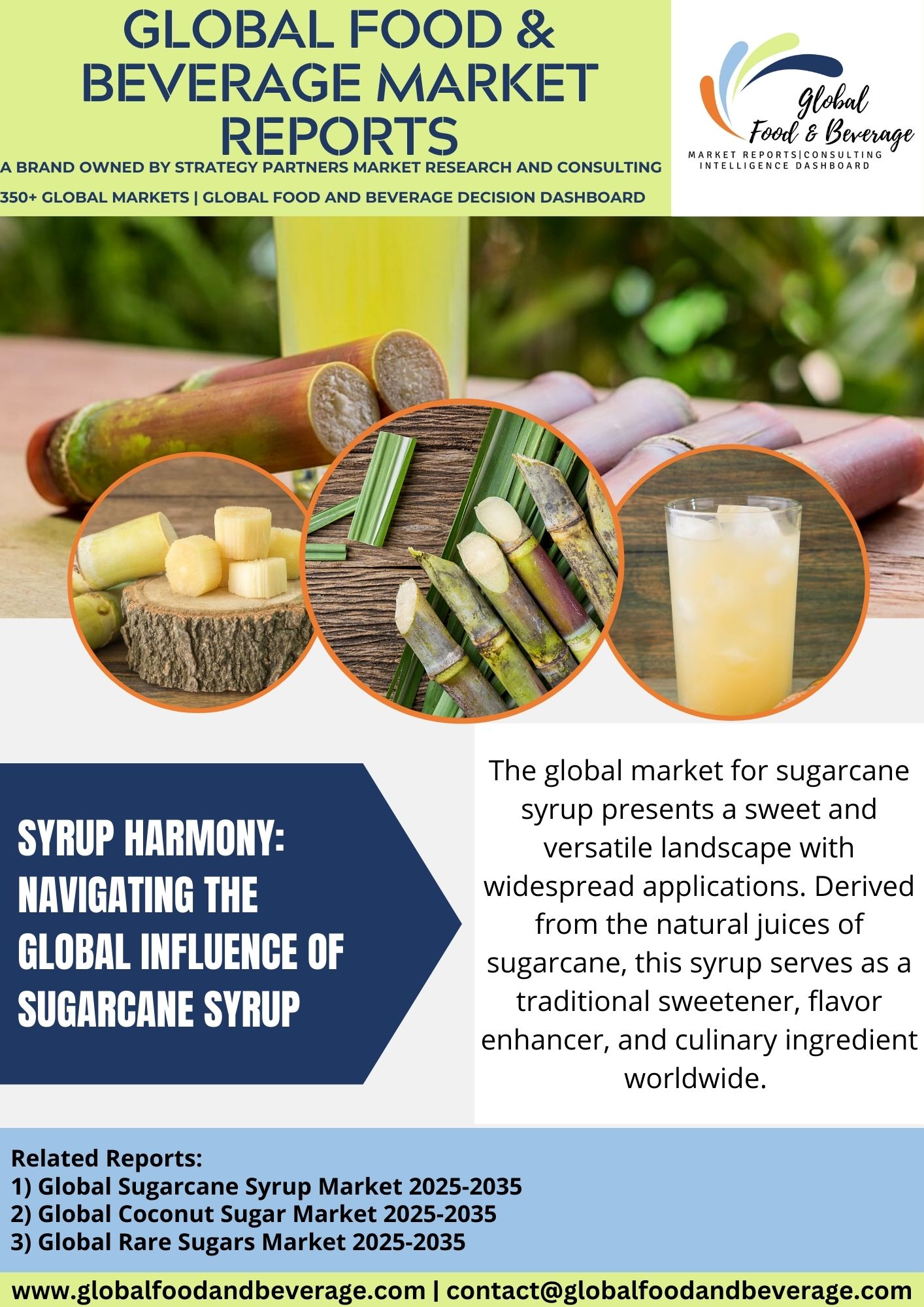
Sugarcane syrup, a sweet and versatile liquid extracted from sugarcane, has a rich global presence as a popular sweetener and flavor enhancer. Produced through the extraction and refining of sugarcane juice, this syrup is a natural sweetening agent that retains the distinct flavor and aroma of the sugarcane plant.
The global market for sugarcane syrup has expanded due to its diverse applications in the food and beverage industry. Its sweet, caramel-like taste makes it a sought-after ingredient for various culinary purposes, from sweetening baked goods and desserts to adding depth of flavor in sauces and marinades.
One of the distinctive features of sugarcane syrup is its ability to impart a unique and complex sweetness to dishes. Unlike refined sugar, sugarcane syrup carries the natural flavors of the sugarcane plant, adding a depth and richness that enhances the taste profile of a wide range of recipes.
In the beverage industry, sugarcane syrup is utilized to sweeten cocktails, smoothies, and other refreshing drinks. Its liquid form allows for easy integration into liquid formulations, providing a balanced sweetness that complements various flavors without the need for additional dissolving or processing.
Application:
Sugarcane syrup’s global popularity is also influenced by its perceived natural and traditional appeal. With an increasing emphasis on clean label and natural ingredients, sugarcane syrup aligns with consumer preferences for authentic and minimally processed sweeteners.
The global supply chain for sugarcane syrup involves regions with significant sugarcane cultivation, such as parts of South America, Asia, and Africa. As the demand for alternative sweeteners continues to rise, sugarcane syrup stands out for its unique flavor profile and its association with traditional and artisanal culinary practices.
While sugarcane syrup is celebrated for its culinary versatility, it is important to note that, like any sweetener, moderation is key. As the food industry responds to evolving consumer preferences, sugarcane syrup remains a sweet and natural choice for those seeking a unique and authentic flavor experience in their culinary and beverage creations.
Advancement:
The global advancement of sugarcane syrup has witnessed notable progress, marked by a shift towards natural sweeteners and a growing awareness of diverse culinary applications. Derived from the sugarcane plant, this syrup has evolved beyond its traditional use as a sweetening agent to become a versatile ingredient with a distinctive flavor profile.
One significant development is the recognition of sugarcane syrup as a natural sweetener alternative. With an inherent sweetness derived from the natural sugars present in sugarcane, this syrup appeals to consumers seeking minimally processed and plant-based options, aligning with the broader trend toward cleaner labels and natural ingredients.
In the culinary world, sugarcane syrup has found applications beyond traditional baking. Its rich, caramel-like taste adds depth to sauces, marinades, and beverages, contributing a unique sweetness that enhances the overall flavor profile. The versatility of sugarcane syrup has expanded its use in cocktails, dressings, and glazes, showcasing its adaptability in both sweet and savory dishes.
Advancements in production methods and packaging have contributed to the global accessibility of high-quality sugarcane syrup. Sustainable and eco-friendly practices in sugarcane cultivation further reinforce its appeal in the context of conscious consumer choices.
Challenge:
The global sugarcane syrup industry faces challenges influenced by factors such as market dynamics, sustainability concerns, and evolving consumer preferences. One significant challenge is addressing the growing demand for natural and sustainable sweeteners. As consumers increasingly seek alternatives to refined sugars and artificial sweeteners, there is a rising interest in natural options like sugarcane syrup. Meeting this demand while ensuring sustainable and responsible sourcing practices is crucial for the industry’s growth.
Sustainability concerns and responsible sourcing pose growing challenges. The production of sugarcane syrup involves cultivating and processing sugarcane, and concerns about environmental impact, deforestation, and fair labor practices are gaining prominence. Adopting sustainable and ethical sourcing practices is essential for the long-term viability of the sugarcane syrup industry.
Market competition and differentiation pose ongoing hurdles. The sweetener market is competitive, and sugarcane syrup competes with various alternatives such as honey, maple syrup, and alternative syrups. Distinguishing sugarcane syrup through unique flavor profiles, quality standards, and marketing strategies is crucial for maintaining a competitive edge in the market.
Regulatory compliance and labeling complexities add to the challenges. Different regions have varying regulations regarding sugarcane syrup production, permissible additives, and labeling standards. Navigating these diverse standards requires manufacturers to invest in compliance expertise to ensure market access and consumer trust.
Technological advancements and efficiency in production are critical for success. Developing efficient extraction methods, minimizing waste, and adopting advanced technologies in the production process are essential for the sugarcane syrup industry to enhance productivity and maintain competitiveness.
Conclusion:
In conclusion, the global market for sugarcane syrup presents a sweet and versatile landscape with widespread applications. Derived from the natural juices of sugarcane, this syrup serves as a traditional sweetener, flavor enhancer, and culinary ingredient worldwide. Its popularity extends across various industries, including food and beverage, where it adds a distinct sweetness and depth of flavor. As consumer preferences increasingly favor natural and plant-based products, sugarcane syrup stands as a relevant choice. The global demand for this syrup highlights its enduring role in culinary traditions, while ongoing innovations and sustainability efforts contribute to its continued significance in the evolving landscape of sweeteners.