Starter feed is a specialized type of animal feed designed to meet the nutritional needs of young animals, particularly in the early stages of their lives. This feed is crucial for the healthy development and growth of young animals, providing essential nutrients to support their physiological and metabolic requirements.
In the context of livestock farming, starter feed is commonly used for young animals such as chicks, piglets, and calves. These animals undergo rapid growth and development in their early weeks of life, requiring a carefully formulated diet to meet their specific nutritional needs.
The composition of starter feed is tailored to provide optimal levels of proteins, energy, vitamins, and minerals that are essential for the development of bones, muscles, and overall body structure. High-quality proteins are particularly emphasized to support muscle development and feathering in birds or lean muscle growth in mammals.
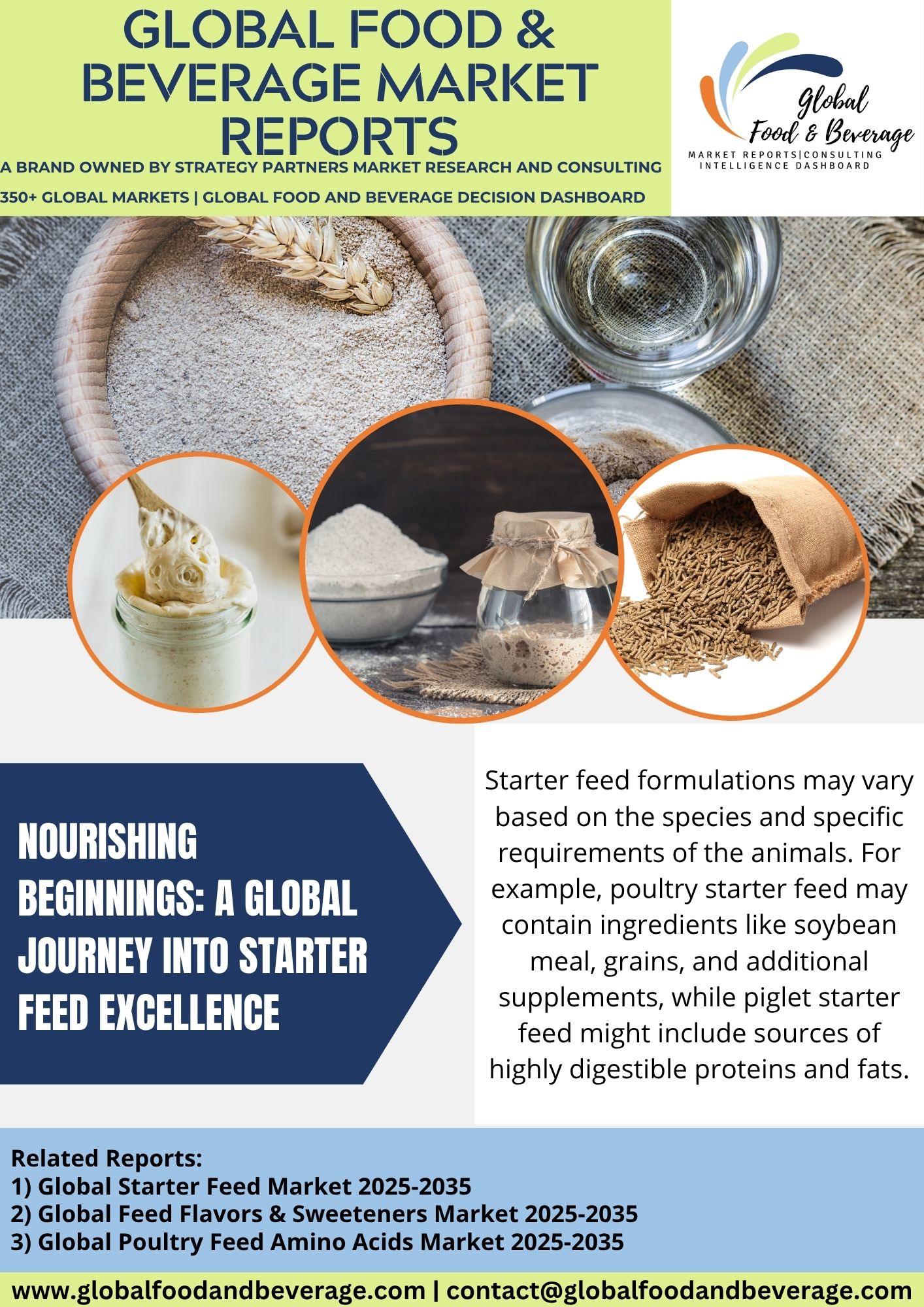
Starter feed formulations may vary based on the species and specific requirements of the animals. For example, poultry starter feed may contain ingredients like soybean meal, grains, and additional supplements, while piglet starter feed might include sources of highly digestible proteins and fats.
The global market for starter feed is influenced by the growing demand for meat and dairy products, driving the need for efficient and healthy animal rearing practices. As the agriculture and livestock industries evolve, there is an increasing focus on optimizing the early nutrition of animals to ensure robust growth, improved feed conversion ratios, and overall health.
In addition to traditional ingredients, modern starter feed formulations may incorporate innovations such as probiotics, prebiotics, and enzymes to support digestive health and nutrient absorption. These advancements contribute to the overall efficiency and sustainability of animal production systems.
As global agriculture faces challenges such as population growth and climate change, the role of starter feed in promoting the early health and development of young animals becomes even more crucial. Ongoing research and advancements in animal nutrition contribute to the continuous improvement of starter feed formulations, aligning with the goals of sustainable and efficient livestock farming practices worldwide.
Advancement:
The global advancement of starter feed, a crucial component in animal nutrition, has witnessed notable progress driven by advancements in research, technology, and a growing emphasis on animal welfare and performance. Starter feed, designed for young animals during the early stages of development, plays a pivotal role in providing essential nutrients for optimal growth.
In the livestock and poultry industries, starter feeds have evolved to meet the specific nutritional requirements of young animals, promoting healthy development and efficient weight gain. Formulations now incorporate a balanced mix of proteins, vitamins, minerals, and probiotics, addressing the intricate nutritional needs of different species.
Technological innovations have led to precision feeding practices, allowing for customized starter feed formulations based on the specific needs of different breeds and production goals. This targeted approach enhances animal health, reduces environmental impact, and optimizes feed efficiency.
Global concerns about sustainable agriculture and responsible resource use have influenced the development of eco-friendly starter feeds. Efforts are being made to incorporate alternative protein sources, reduce reliance on antibiotics, and minimize the environmental footprint associated with feed production.
As the demand for high-quality animal products continues to rise globally, the advancement of starter feed reflects a commitment to improving animal well-being, enhancing feed efficiency, and meeting the evolving standards of sustainable and ethical agriculture practices. This progress contributes to the overall efficiency and sustainability of the global livestock and poultry industries.
Challenge:
The starter feed industry, crucial in the early stages of animal development, faces challenges influenced by factors such as nutritional research, market dynamics, and sustainability concerns. One significant challenge is optimizing nutritional formulations. Starter feeds play a crucial role in supporting the growth and health of young animals, and formulating nutritionally balanced feeds that meet specific species’ requirements poses an ongoing challenge, requiring continuous research and adaptation.
Sustainability concerns and responsible sourcing pose growing challenges. As consumers become more environmentally conscious, there is increasing pressure on the animal feed industry to adopt sustainable sourcing practices for raw materials. Balancing sustainability goals with the need for cost-effective and nutritious formulations is crucial for the starter feed industry.
Regulatory compliance and quality control complexities add to the challenges. Different regions have varying regulations regarding animal feed safety, permissible additives, and labeling standards. Navigating these diverse standards requires manufacturers to invest in compliance expertise to ensure market access and adherence to industry standards.
Supply chain vulnerabilities impact the industry. The production of starter feed involves specific raw materials, and ensuring a stable supply chain is essential. Fluctuations in raw material availability, transportation issues, and geopolitical factors can influence the cost and availability of key ingredients, affecting overall production and pricing.
Technological advancements and innovation are critical for success. Developing advanced formulations, incorporating nutritional research findings, and exploring new ingredients for starter feed requires ongoing research and investment in technology. Staying ahead of technological advancements and market trends is crucial for remaining competitive in the dynamic starter feed industry.
Conclusion:
In conclusion, the global starter feed market is witnessing significant growth, driven by the expanding livestock and poultry industries. Starter feeds play a crucial role in early animal development, contributing to optimal growth and health. The industry’s focus on precision nutrition, fortified formulations, and sustainable sourcing aligns with the evolving demands of modern farming practices. As global protein consumption rises, the starter feed market remains integral to efficient animal husbandry. Ongoing research and development efforts continue to enhance nutritional profiles and address environmental concerns. With a commitment to animal welfare and farm efficiency, the starter feed market offers continuous opportunities for manufacturers to contribute to sustainable and productive agriculture worldwide.