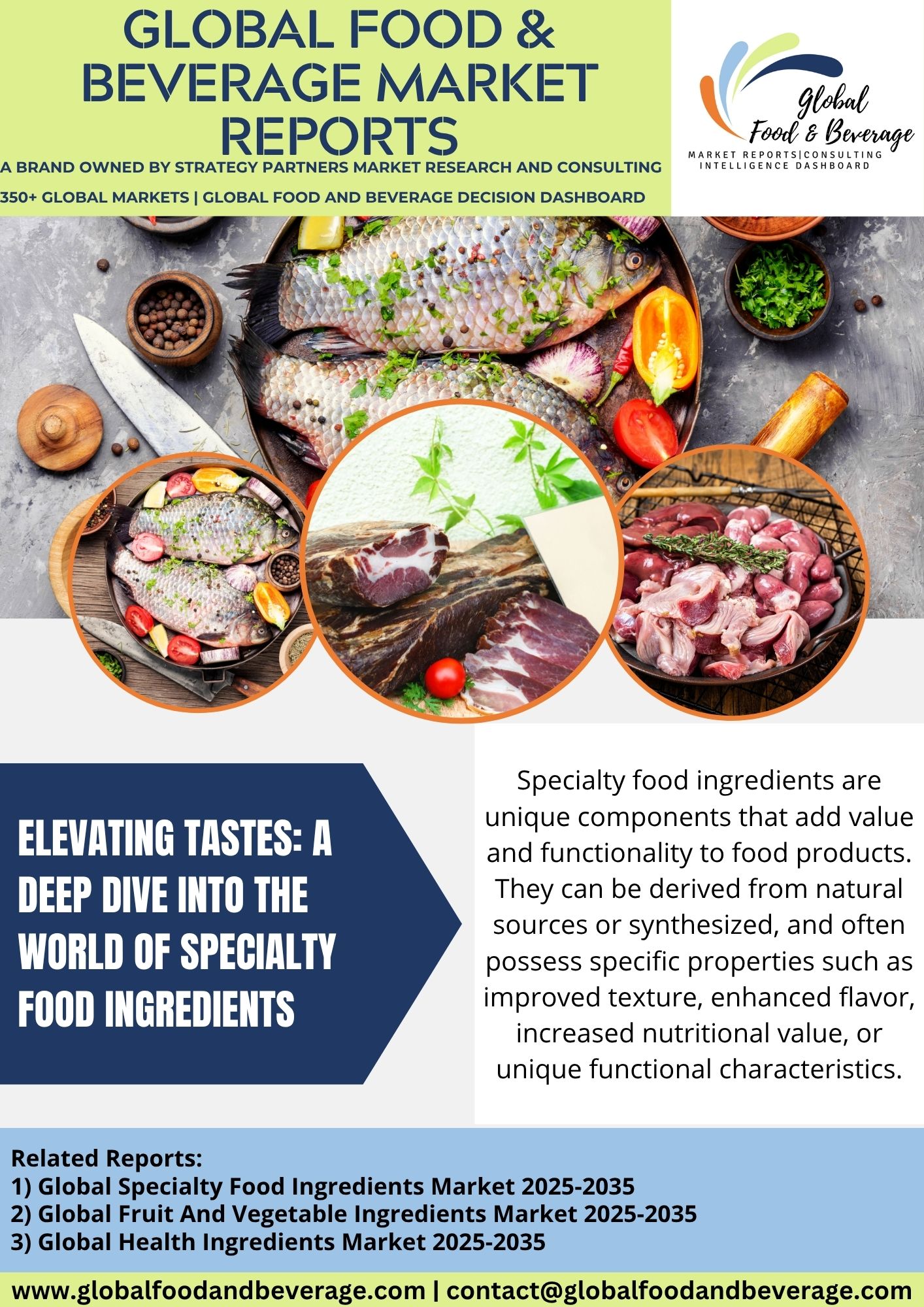
Specialty food ingredients constitute a diverse and dynamic category that encompasses unique, high-quality, and often niche components used in the formulation of food products. These ingredients go beyond basic culinary necessities, offering specific functionalities, flavors, and nutritional benefits that contribute to the innovation and differentiation of food and beverage offerings.
One notable segment within specialty food ingredients includes natural flavors and extracts. These ingredients are derived from various sources such as fruits, herbs, and spices, providing distinct and authentic flavor profiles. Natural vanilla extract, for instance, enhances the sweetness and aroma of baked goods, while exotic spice extracts contribute complexity to savory dishes. The demand for natural and recognizable flavors aligns with consumer preferences for clean label products.
Specialty sweeteners, including alternative sweeteners like stevia, monk fruit extract, and erythritol, cater to the growing interest in reduced-sugar and low-calorie formulations. These ingredients offer sweetness without the calorie impact of traditional sugars, providing options for consumers seeking healthier alternatives.
Application:
Functional ingredients such as probiotics, probiotics, and dietary fibers are gaining prominence in the specialty food ingredient space due to their potential health benefits. These ingredients support digestive health, gut microbiome balance, and overall well-being. They are incorporated into a range of products, including yogurt, cereals, and snacks, to meet the rising demand for functional foods.
Emulsifiers, stabilizers, and thickeners are essential specialty ingredients that enhance the texture, shelf stability, and overall quality of various food products. They play a crucial role in applications such as sauces, dressings, and processed foods, contributing to improved mouthfeel and sensory attributes.
As dietary preferences diversify, specialty food ingredients also address specific dietary needs, such as gluten-free, vegan, and allergen-free formulations. Ingredients like almond flour, plant-based proteins, and allergen-free substitutes enable the creation of products that cater to consumers with specific dietary requirements.
The specialty food ingredients market is characterized by continuous innovation and a focus on sustainability, clean labels, and health-conscious choices. These ingredients empower food manufacturers to create unique, premium, and functional products that resonate with the evolving preferences of today’s discerning consumers.
Advancement:
The advancement of specialty food ingredients marks a dynamic shift in the culinary landscape, where innovation, sustainability, and nutritional enhancement intersect to redefine the way we perceive and experience food. Specialty food ingredients, once confined to niche markets, have now become integral players in shaping the taste, texture, and nutritional profile of a wide array of products.
One significant stride is the development of natural and clean-label ingredients, responding to consumer demands for transparency and wholesome options. Specialty ingredients, sourced from botanicals, fruits, and other natural origins, contribute unique flavors and functional benefits without resorting to artificial additives.
Moreover, advancements in processing technologies have allowed for the extraction and utilization of bioactive compounds from food sources. These compounds, such as antioxidants and phytochemicals, not only enhance the nutritional value of foods but also contribute to their potential health benefits.
In response to the surge in dietary preferences and restrictions, specialty food ingredients now cater to various lifestyles, including plant-based, gluten-free, and allergen-free choices. The industry’s commitment to inclusivity ensures that individuals with diverse dietary needs can still enjoy a broad spectrum of flavorful and innovative food products.
In essence, the ongoing advancement of specialty food ingredients reflects a commitment to culinary excellence, health-conscious choices, and a future where food becomes not just sustenance but a delightful and enriching experience.
Challenge:
The specialty food ingredients industry faces various challenges influenced by factors such as evolving consumer preferences, regulatory complexities, and market dynamics. One significant challenge is the demand for clean label ingredients. As consumers seek transparency and simpler ingredient lists, specialty food ingredient manufacturers must reformulate products to meet clean label criteria while maintaining functionality and taste.
Regulatory compliance and labeling complexities add to the challenges. Different regions have varying regulations regarding the use of specialty food ingredients, including permissible additives, nutritional claims, and labeling standards. Navigating these diverse standards requires manufacturers to invest in compliance expertise to ensure market access and consumer trust.
Supply chain vulnerabilities impact the industry. The production of specialty food ingredients often involves specific raw materials, and ensuring a stable supply chain is crucial. Fluctuations in raw material availability, transportation issues, and geopolitical factors can influence the cost and availability of key ingredients, affecting overall production and pricing.
Sustainability concerns and responsible sourcing are growing challenges. Consumers are increasingly conscious of the environmental impact of food production. Adopting sustainable sourcing practices for specialty food ingredients, including ethical sourcing and eco-friendly production processes, is becoming more critical for the industry.
Technological advancements and innovation are essential for success. Developing new specialty food ingredients with enhanced functionality, improved shelf life, and unique flavor profiles requires ongoing research and investment in technology. Staying ahead of technological advancements and market trends is crucial for remaining competitive in the dynamic specialty food ingredients market.
Conclusion:
In conclusion, the specialty food ingredients market is flourishing as consumers increasingly prioritize unique taste experiences, clean labels, and health-conscious choices. The industry’s response to diverse dietary trends, including plant-based, organic, and functional ingredients, propels market growth. Specialty food ingredients play a pivotal role in enhancing product quality and innovation across the food and beverage sector. As global culinary preferences evolve, manufacturers are presented with ongoing opportunities to create distinctive formulations that meet the dynamic demands of discerning consumers. With a focus on sustainability and nutritional benefits, the specialty food ingredients market remains integral to shaping the future of the food industry, offering diverse and premium solutions.