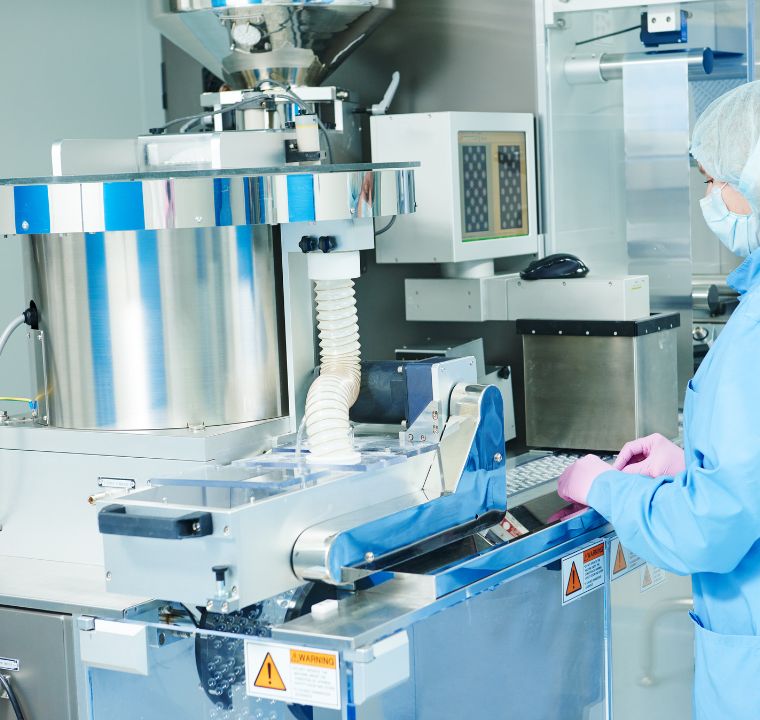
Food packaging machinery plays a critical role in the final stage of food production, ensuring that products are safely, efficiently, and attractively enclosed for distribution, sale, and consumption. These machines are designed to preserve food quality, extend shelf life, and meet the increasing demands for convenience, hygiene, and sustainability in modern food supply chains.
There are several types of food packaging machinery, each serving a specific function depending on the nature of the product and the packaging requirements. Form-fill-seal (FFS) machines are among the most common and versatile systems. They form the packaging material into a pouch or container, fill it with the product, and seal it—all in one continuous process. These machines can handle a wide variety of products, from powders and liquids to granules and solids.
Vacuum packaging machines are used to remove air from the package before sealing, which significantly slows microbial growth and oxidation. This method is widely used for meat, cheese, and other perishable goods. Modified atmosphere packaging (MAP) goes a step further by replacing the air inside the package with specific gas mixtures, optimizing conditions for freshness without the need for preservatives.
For products requiring rigid containers, such as bottles, jars, or cans, filling and capping machines are employed. These systems precisely dispense liquids, pastes, or powders into preformed containers and secure them with caps or lids. For dry goods like snacks, cereals, or confectionery, weighers and dosing machines ensure accurate portioning before packaging.
Shrink wrap machines and flow wrappers are commonly used for individual or multi-pack items. These systems wrap the product in plastic film and use heat to create a tight, tamper-evident seal. Cartoning machines are used for placing products into cardboard boxes, often used in combination with other machines for secondary packaging, which adds protection and improves stackability for transport.
In recent years, automation and smart technology have transformed packaging machinery. Modern systems feature real-time monitoring, self-adjusting controls, and digital interfaces that improve accuracy and reduce downtime. Integration with robotics allows for precise handling, labeling, and palletizing, especially in high-speed production environments.
Environmental concerns are also reshaping the packaging industry. Machines are being adapted to work with biodegradable films, recyclable materials, and minimalist packaging designs. This shift responds to consumer and regulatory pressures to reduce plastic waste and carbon footprints while still maintaining product integrity and visual appeal.
Food packaging machinery must comply with rigorous standards set by global food safety authorities. Hygienic design, easy cleaning, and contamination prevention features are essential, particularly in systems that come into direct contact with food. Machine manufacturers often work closely with food producers to develop custom solutions tailored to specific product characteristics and regulatory requirements.
In summary, food packaging machinery is a vital part of the food production ecosystem. It ensures that food products are protected, preserved, and presented in a way that meets safety standards, consumer expectations, and logistical requirements. As technology and environmental priorities evolve, so too will packaging machinery, paving the way for smarter, safer, and more sustainable food packaging solutions.