Description
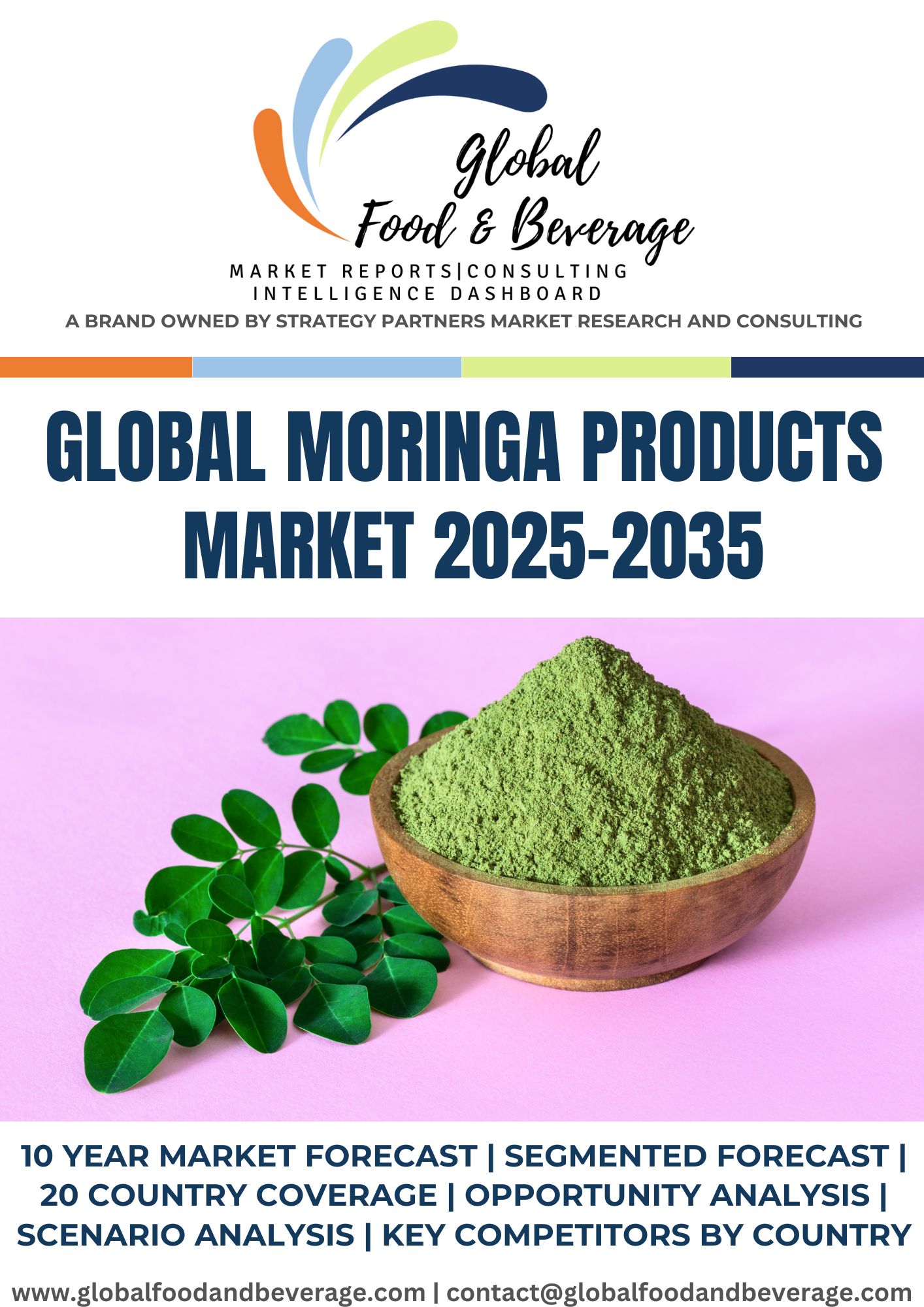
Moringa products have gained significant attention globally due to the versatile nutritional, medicinal, and environmental benefits offered by the moringa tree, scientifically known as Moringa oleifera. Native to parts of South Asia and Africa, moringa has been traditionally used for centuries in various cultures for its leaves, seeds, pods, flowers, and roots, all of which have valuable applications in food, health, and industrial sectors. The global market for moringa products has expanded rapidly in recent years, fueled by increasing consumer awareness of natural and plant-based health supplements, rising interest in superfoods, and the growing demand for sustainable and eco-friendly products.
Moringa leaves are the most widely used part of the plant and serve as the primary source of many moringa-based products. They are rich in essential nutrients such as vitamins A, C, and E, calcium, potassium, and protein, as well as antioxidants and bioactive compounds like flavonoids and phenolics. Due to their dense nutritional profile, moringa leaves are processed into powders, capsules, tablets, and teas. Moringa leaf powder is especially popular as a dietary supplement, valued for its potential to boost immunity, improve energy levels, and support overall wellness. It can be added to smoothies, juices, soups, and baked goods, making it a convenient superfood ingredient.
Seeds from the moringa tree are also important commercially. They are a source of high-quality oil known as moringa oil or ben oil, which is extracted through cold pressing or solvent extraction methods. Moringa oil is prized for its light texture, stability, and rich content of oleic acid and antioxidants, making it a favored ingredient in cosmetics, skincare, and hair care products. It is used as a moisturizer, anti-inflammatory agent, and hair conditioner. Additionally, moringa seeds have applications in water purification; crushed seeds act as natural coagulants, helping remove impurities and bacteria from water, a sustainable solution particularly valuable in developing regions.
Pods and flowers of the moringa tree also contribute to the product range. The immature pods, often called drumsticks, are consumed as vegetables in many Asian and African cuisines. They can be canned, frozen, or dried for export markets. Moringa flowers are used to produce teas and herbal infusions that are believed to have various health-promoting properties. Root extracts, although less common due to their potentially toxic compounds if not processed properly, are sometimes used in traditional medicine.
The global trade of moringa products has grown substantially as the demand for natural health supplements and eco-friendly products continues to rise. Major producers include India, which dominates global supply with extensive cultivation and processing infrastructure. Other significant producers are African countries such as Nigeria, Kenya, Ghana, and Senegal, where moringa is valued both nutritionally and economically, often contributing to rural development and poverty alleviation. Southeast Asian countries, including the Philippines and Indonesia, have also increased moringa cultivation to meet local and export demand.
Moringa products are increasingly available in international markets through various distribution channels including health food stores, pharmacies, supermarkets, and online platforms. Consumers worldwide are embracing moringa for its perceived benefits, supported by a growing body of scientific research. Studies suggest moringa’s potential roles in managing diabetes, reducing inflammation, supporting cardiovascular health, and enhancing nutrient absorption, though more clinical trials are needed to confirm these effects definitively.
In food industries, moringa powder is incorporated into nutritional bars, cereals, dairy alternatives, and energy drinks, catering to the health-conscious and vegan consumer segments. Food manufacturers value moringa not only for its nutritional benefits but also for its natural green color and antioxidant properties, which can enhance product appeal and shelf life. Additionally, moringa-based animal feed supplements are gaining traction, promoting sustainable livestock farming by improving animal health and productivity.
Cosmetic and personal care industries leverage moringa oil and extracts for their moisturizing, anti-aging, and anti-bacterial properties. Moringa oil is incorporated in face creams, body lotions, shampoos, and soaps. The clean label trend and consumer preference for natural ingredients have boosted moringa’s popularity in this sector. Some companies focus on organic and cold-pressed moringa oil, marketing it as a premium product with ethical and environmental credentials.
From an environmental perspective, moringa cultivation supports sustainable agriculture. The tree grows rapidly with minimal water and fertilizer requirements, tolerates poor soils, and helps prevent soil erosion, making it suitable for reforestation and land rehabilitation projects. Its ability to fix nitrogen enhances soil fertility, benefiting smallholder farmers. The promotion of moringa farming contributes to food security and income generation in resource-poor communities, aligning with several United Nations Sustainable Development Goals.
Challenges remain for the moringa products industry, including standardization and quality control. Due to the wide variety of moringa species and processing methods, product quality can vary significantly. Adulteration, improper drying, and contamination with pesticides or heavy metals pose risks to consumers. Regulatory frameworks differ by country, sometimes complicating international trade and labeling claims. There is a pressing need for harmonized quality standards, certifications such as organic and fair trade, and consumer education to build trust and transparency in the market.
Supply chain development is critical for scaling moringa products globally. Efficient harvesting, post-harvest handling, and processing infrastructure influence product shelf life, nutrient retention, and safety. Investment in training farmers, improving drying techniques, and mechanizing seed oil extraction can enhance yields and product consistency. Partnerships between governments, non-governmental organizations, and private sector players are fostering inclusive growth models that benefit small-scale producers and promote sustainable livelihoods.
Innovation continues to drive the evolution of moringa products. Researchers explore novel formulations that combine moringa with other superfoods or bioactive ingredients to create synergistic health effects. Encapsulation technologies aim to improve the bioavailability and stability of moringa nutrients, broadening application possibilities. The development of functional foods, nutraceuticals, and cosmeceuticals incorporating moringa addresses diverse consumer needs, from athletic performance to anti-aging and immune support.
Consumer trends such as clean eating, plant-based nutrition, and wellness lifestyles underpin the moringa product market’s growth. Social media and influencer marketing have raised awareness about moringa’s benefits and uses, encouraging experimentation and product trial. Ethical consumerism motivates buyers to choose moringa products sourced through sustainable and socially responsible practices. However, price sensitivity remains a factor, particularly in lower-income markets, highlighting the importance of cost-effective production and value chain optimization.
In conclusion, moringa products occupy an increasingly prominent position in the global marketplace due to their exceptional nutritional profile, functional versatility, and environmental sustainability. The diversity of moringa-derived products—from powders and oils to teas and cosmetics—reflects the plant’s wide-ranging applications and appeal. As scientific validation of health benefits expands and consumer demand for natural, plant-based products grows, moringa’s role as a superfood and sustainable resource is set to strengthen. Addressing challenges related to quality, regulation, and supply chain efficiency will be vital to unlocking moringa’s full potential and ensuring equitable benefits for producers and consumers worldwide.
Table of Content
1 Market Introduction- Global Moringa products Market
1.1 Market Segmentation- Global Moringa products Market
1.2 Key Trends- Global Moringa products Market
1.2.1 Drivers
1.2.2 Restraints
1.2.3 Challenges
2 Global Market Forecast- Global Moringa products Market
1. By Region
2. By Distribution Channel
3. By Application
4. By Product
3 Country Wise Forecast- Global Moringa products Market
3.1 US
3.1.1 Key Trends
3.1.2 Consumer Spending
o Population
o GDP
o CPI
o Spend per Capita
o Spend as a proportion of GDP
3.1.3 Market Forecast- US Moringa products Market
1. By Distribution Channel
2. By Application
3. By Product
3.1.4 Key Competitors- US Moringa products Market
3.1.5 EXIM
3.1.6 Patents
3.1.7 Scenario Analysis- US Moringa products Market
3.1.8 Opportunity Analysis- US Moringa products Market
3.2 Canada
3.2.1 Key Trends
3.2.2 Consumer Spending
o Population
o GDP
o CPI
o Spend per Capita
o Spend as a proportion of GDP
3.2.3 Market Forecast- Canada Moringa products Market
1.By Distribution Channel
2.By Application
3.By Product
3.2.4 Key Competitors- Canada Moringa products Market
3.2.5 EXIM
3.2.6 Patents
3.2.7 Scenario Analysis- Canada Moringa products Market
3.2.8 Opportunity Analysis- Canada Moringa products Market
3.3 UK
3.3.1 Key Trends
3.3.2 Consumer Spending
o Population
o GDP
o CPI
o Spend per Capita
o Spend as a proportion of GDP
3.3.3 Market Forecast- UK Moringa products Market
1.By Distribution Channel
2.By Application
3.By Product
3.3.4 Key Competitors- UK Moringa products Market
3.3.5 EXIM
3.3.6 Patents
3.3.7 Scenario Analysis- UK Moringa products Market
3.3.8 Opportunity Analysis- UK Moringa products Market
3.4 Germany
3.4.1 Key Trends
3.4.2 Consumer Spending
o Population
o GDP
o CPI
o Spend per Capita
o Spend as a proportion of GDP
3.4.3 Market Forecast- Germany Moringa products Market
1.By Distribution Channel
2.By Application
3.By Product
3.4.4 Key Competitors- Germany Moringa products Market
3.4.5 EXIM
3.4.6 Patents
3.4.7 Scenario Analysis- Germany Moringa products Market
3.4.8 Opportunity Analysis- Germany Moringa products Market
3.5 France
3.5.1 Key Trends
3.5.2 Consumer Spending
o Population
o GDP
o CPI
o Spend per Capita
o Spend as a proportion of GDP
3.5.3 Market Forecast- France Moringa products Market
1.By Distribution Channel
2.By Application
3.By Product
3.5.4 Key Competitors- France Moringa products Market
3.5.5 EXIM
3.5.6 Patents
3.5.7 Scenario Analysis- France Moringa products Market
3.5.8 Opportunity Analysis- France Moringa products Market
3.6 Italy
3.6.1 Key Trends
3.6.2 Consumer Spending
o Population
o GDP
o CPI
o Spend per Capita
o Spend as a proportion of GDP
3.6.3 Market Forecast- Italy Moringa products Market
1.By Distribution Channel
2.By Application
3.By Product
3.6.4 Key Competitors- Italy Moringa products Market
3.6.5 EXIM
3.6.6 Patents
3.6.7 Scenario Analysis- Italy Moringa products Market
3.6.8 Opportunity Analysis- Italy Moringa products Market
3.7 Ireland
3.7.1 Key Trends
3.7.2 Consumer Spending
o Population
o GDP
o CPI
o Spend per Capita
o Spend as a proportion of GDP
3.7.3 Market Forecast- Ireland Moringa products Market
1.By Distribution Channel
2.By Application
3.By Product
3.7.4 Key Competitors- Ireland Moringa products Market
3.7.5 EXIM
3.7.6 Patents
3.7.7 Scenario Analysis- Ireland Moringa products Market
3.7.8 Opportunity Analysis- Ireland Moringa products Market
3.8 Spain
3.8.1 Key Trends
3.8.2 Consumer Spending
o Population
o GDP
o CPI
o Spend per Capita
o Spend as a proportion of GDP
3.8.3 Market Forecast- Spain Moringa products Market
1.By Distribution Channel
2.By Application
3.By Product
3.8.4 Key Competitors- Spain Moringa products Market
3.8.5 EXIM
3.8.6 Patents
3.8.7 Scenario Analysis- Spain Moringa products Market
3.8.8 Opportunity Analysis- Spain Moringa products Market
3.9 Belgium
3.9.1 Key Trends
3.9.2 Consumer Spending
o Population
o GDP
o CPI
o Spend per Capita
o Spend as a proportion of GDP
3.9.3 Market Forecast- Belgium Moringa products Market
1.By Distribution Channel
2.By Application
3.By Product
3.9.4 Key Competitors- Belgium Moringa products Market
3.9.5 EXIM
3.9.6 Patents
3.9.7 Scenario Analysis- Belgium Moringa products Market
3.9.8 Opportunity Analysis- Belgium Moringa products Market
3.10 Switzerland
3.10.1 Key Trends
3.10.2 Consumer Spending
o Population
o GDP
o CPI
o Spend per Capita
o Spend as a proportion of GDP
3.10.3 Market Forecast- Switzerland Moringa products Market
1.By Distribution Channel
2.By Application
3.By Product
3.10.4 Key Competitors- Switzerland Moringa products Market
3.10.5 EXIM
3.10.6 Patents
3.10.7 Scenario Analysis- Switzerland Moringa products Market
3.10.8 Opportunity Analysis- Switzerland Moringa products Market
3.11 Sweden
3.11.1 Key Trends
3.11.2 Consumer Spending
o Population
o GDP
o CPI
o Spend per Capita
o Spend as a proportion of GDP
3.11.3 Market Forecast- Sweden Moringa products Market
1.By Distribution Channel
2.By Application
3.By Product
3.11.4 Key Competitors- Sweden Moringa products Market
3.11.5 EXIM
3.11.6 Patents
3.11.7 Scenario Analysis- Sweden Moringa products Market
3.11.8 Opportunity Analysis- Sweden Moringa products Market
3.12 Portugal
3.12.1 Key Trends
3.12.2 Consumer Spending
o Population
o GDP
o CPI
o Spend per Capita
o Spend as a proportion of GDP
3.12.3 Market Forecast- Portugal Moringa products Market
1.By Distribution Channel
2.By Application
3.By Product
3.12.4 Key Competitors- Portugal Moringa products Market
3.12.5 EXIM
3.12.6 Patents
3.12.7 Scenario Analysis- Portugal Moringa products Market
3.12.8 Opportunity Analysis- Portugal Moringa products Market
3.13 The Netherlands
3.13.1 Key Trends
3.13.2 Consumer Spending
o Population
o GDP
o CPI
o Spend per Capita
o Spend as a proportion of GDP
3.13.3 Market Forecast- Netherlands Moringa products Market
1.By Distribution Channel
2.By Application
3.By Product
3.13.4 Key Competitors- Netherlands Moringa products Market
3.13.5 EXIM
3.13.6 Patents
3.13.7 Scenario Analysis- Netherlands Moringa products Market
3.13.8 Opportunity Analysis- Netherlands Moringa products Market
3.14 Brazil
3.14.1 Key Trends
3.14.2 Consumer Spending
o Population
o GDP
o CPI
o Spend per Capita
o Spend as a proportion of GDP
3.14.3 Market Forecast- Brazil Moringa products Market
1.By Distribution Channel
2.By Application
3.By Product
3.14.4 Key Competitors- Brazil Moringa products Market
3.14.5 EXIM
3.14.6 Patents
3.14.7 Scenario Analysis- Brazil Moringa products Market
3.14.8 Opportunity Analysis- Brazil Moringa products Market
3.15 Mexico
3.15.1 Key Trends
3.15.2 Consumer Spending
o Population
o GDP
o CPI
o Spend per Capita
o Spend as a proportion of GDP
3.15.3 Market Forecast- Mexico Moringa products Market
1.By Distribution Channel
2.By Application
3.By Product
3.15.4 Key Competitors- Mexico Moringa products Market
3.15.5 EXIM
3.15.6 Patents
3.15.7 Scenario Analysis- Mexico Moringa products Market
3.15.8 Opportunity Analysis- Mexico Moringa products Market
3.16 Australia
3.16.1 Key Trends
3.16.2 Consumer Spending
o Population
o GDP
o CPI
o Spend per Capita
o Spend as a proportion of GDP
3.16.3 Market Forecast- Australia Moringa products Market
1.By Distribution Channel
2.By Application
3.By Product
3.16.4 Key Competitors- Australia Moringa products Market
3.16.5 EXIM
3.16.6 Patents
3.16.7 Scenario Analysis- Australia Moringa products Market
3.16.8 Opportunity Analysis- Australia Moringa products Market
3.17 China
3.17.1 Key Trends
3.17.2 Consumer Spending
o Population
o GDP
o CPI
o Spend per Capita
o Spend as a proportion of GDP
3.17.3 Market Forecast- China Moringa products Market
1.By Distribution Channel
2.By Application
3.By Product
3.17.4 Key Competitors- China Moringa products Market
3.17.5 EXIM
3.17.6 Patents
3.17.7 Scenario Analysis- China Moringa products Market
3.17.8 Opportunity Analysis- China Moringa products Market
3.18 Indonesia
3.18.1 Key Trends
3.18.2 Consumer Spending
o Population
o GDP
o CPI
o Spend per Capita
o Spend as a proportion of GDP
3.18.3 Market Forecast- Indonesia Moringa products Market
1.By Distribution Channel
2.By Application
3.By Product
3.18.4 Key Competitors- Indonesia Moringa products Market
3.18.5 EXIM
3.18.6 Patents
3.18.7 Scenario Analysis- Indonesia Moringa products Market
3.18.8 Opportunity Analysis- Indonesia Moringa products Market
3.19 India
3.19.1 Key Trends
3.19.2 Consumer Spending
o Population
o GDP
o CPI
o Spend per Capita
o Spend as a proportion of GDP
3.19.3 Market Forecast- India Moringa products Market
1.By Distribution Channel
2.By Application
3.By Product
3.19.4 Key Competitors- India Moringa products Market
3.19.5 EXIM
3.19.6 Patents
3.19.7 Scenario Analysis- India Moringa products Market
3.19.8 Opportunity Analysis- India Moringa products Market
3.20 Japan
3.20.1 Key Trends
3.20.2 Consumer Spending
o Population
o GDP
o CPI
o Spend per Capita
o Spend as a proportion of GDP
3.20.3 Market Forecast- Japan Moringa products Market
1.By Distribution Channel
2.By Application
3.By Product
3.20.4 Key Competitors- Japan Moringa products Market
3.20.5 EXIM
3.20.6 Patents
3.20.7 Scenario Analysis- Japan Moringa products Market
3.20.8 Opportunity Analysis- Japan Moringa products Market
3.21 South Korea
3.21.1 Key Trends
3.21.2 Consumer Spending
o Population
o GDP
o CPI
o Spend per Capita
o Spend as a proportion of GDP
3.21.3 Market Forecast- South Korea Moringa products Market
1.By Distribution Channel
2.By Application
3.By Product
3.21.4 Key Competitors- South Korea Moringa products Market
3.21.5 EXIM
3.21.6 Patents
3.21.7 Scenario Analysis- South Korea Moringa products Market
3.21.8 Opportunity Analysis- South Korea Moringa products Market
3.22 Thailand
3.22.1 Key Trends
3.22.2 Consumer Spending
o Population
o GDP
o CPI
o Spend per Capita
o Spend as a proportion of GDP
3.22.3 Market Forecast- Thailand Moringa products Market
1.By Distribution Channel
2.By Application
3.By Product
3.22.4 Key Competitors- Thailand Moringa products Market
3.22.5 EXIM
3.22.6 Patents
3.22.7 Scenario Analysis- Thailand Moringa products Market
3.22.8 Opportunity Analysis- Thailand Moringa products Market
3.23 Malaysia
3.23.1 Key Trends
3.23.2 Consumer Spending
o Population
o GDP
o CPI
o Spend per Capita
o Spend as a proportion of GDP
3.23.3 Market Forecast- Malaysia Moringa products Market
1.By Distribution Channel
2.By Application
3.By Product
3.23.4 Key Competitors- Malaysia Moringa products Market
3.23.5 EXIM
3.23.6 Patents
3.23.7 Scenario Analysis- Malaysia Moringa products Market
3.23.8 Opportunity Analysis- Malaysia Moringa products Market
3.24 Singapore
3.24.1 Key Trends
3.24.2 Consumer Spending
o Population
o GDP
o CPI
o Spend per Capita
o Spend as a proportion of GDP
3.24.3 Market Forecast- Singapore Moringa products Market
1.By Distribution Channel
2.By Application
3.By Product
3.24.4 Key Competitors- Singapore Moringa products Market
3.24.5 EXIM
3.24.6 Patents
3.24.7 Scenario Analysis- Singapore Moringa products Market
3.24.8 Opportunity Analysis- Singapore Moringa products Market
4 Opportunity Matrix- Global Moringa products Market
5 Conclusions and Recommendations- Global Moringa products Market
6 About Global Food & Beverages