Description
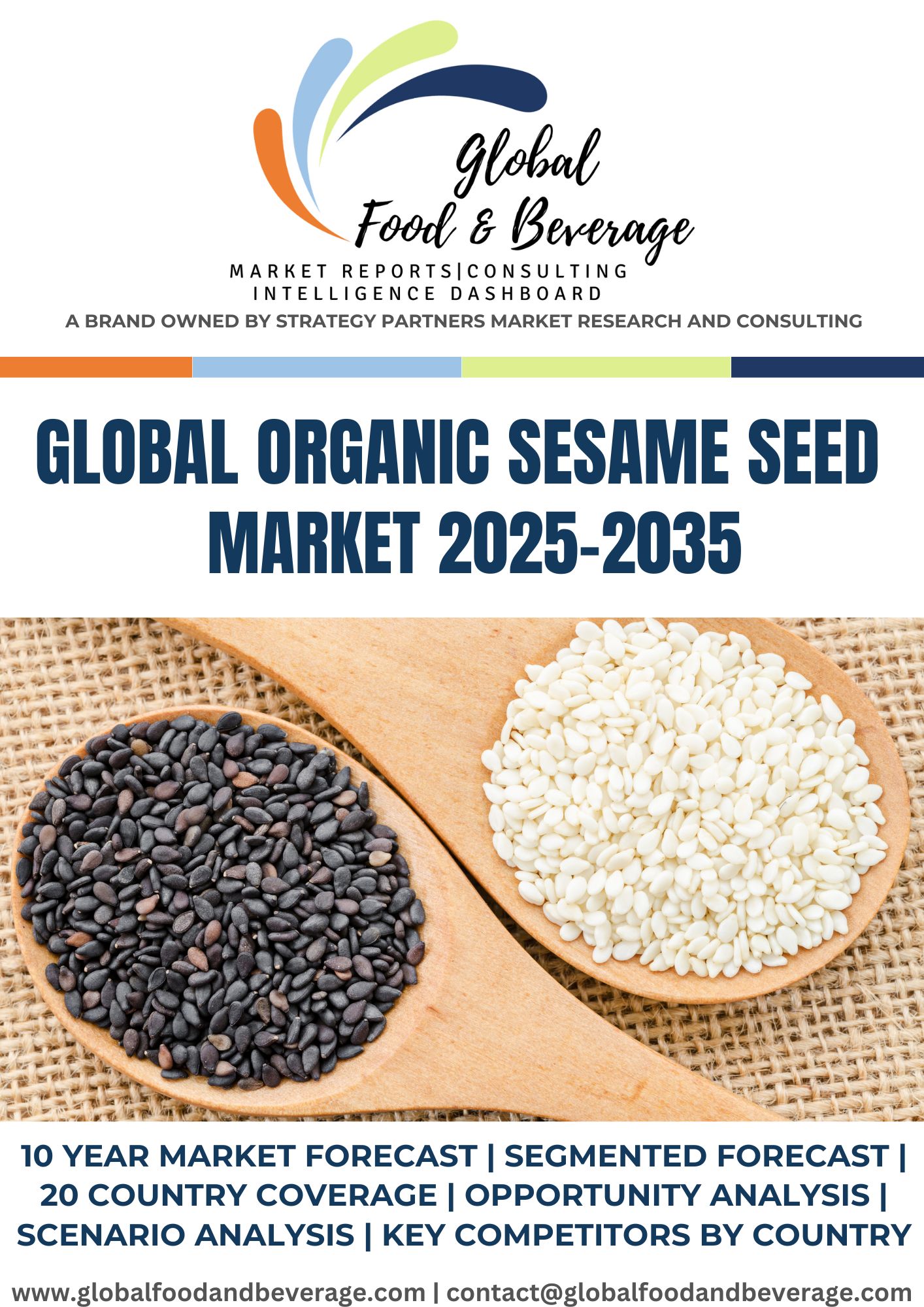
Organic sesame seed is a highly valued agricultural product known for its rich nutritional profile, culinary versatility, and cultural significance across many regions of the world. As a small oilseed crop, sesame seeds have been cultivated for thousands of years, prized both for their nutty flavor and the high-quality oil they yield. When grown organically, sesame seeds are produced without the use of synthetic pesticides, herbicides, or genetically modified organisms, ensuring a product that aligns with consumer preferences for natural and environmentally responsible foods.
The cultivation of organic sesame seeds involves adhering to strict agricultural standards that promote soil health, biodiversity, and sustainable farming practices. Organic farmers focus on natural methods of pest control and soil fertility management, such as crop rotation, cover cropping, and the use of organic fertilizers. These practices help maintain ecosystem balance and reduce environmental impact, contributing to the preservation of farmland for future generations. The organic certification process also involves rigorous inspections and documentation to guarantee compliance with organic principles, providing consumers with assurance about product integrity.
Nutritionally, sesame seeds are a powerhouse. They are rich in healthy fats, predominantly unsaturated fatty acids, which contribute to heart health and support overall wellness. Organic sesame seeds also provide a good source of plant-based protein, making them a valuable component in vegetarian and vegan diets. Additionally, they are packed with essential minerals such as calcium, magnesium, iron, and zinc, which play crucial roles in bone health, immune function, and metabolic processes. The seeds are also abundant in dietary fiber, promoting digestive health and supporting healthy cholesterol levels.
One of the most renowned attributes of sesame seeds is their oil content. Organic sesame oil, extracted from the seeds, is celebrated for its light texture, distinctive aroma, and robust flavor. It is used extensively in cooking and food preparation, particularly in Asian, Middle Eastern, and Mediterranean cuisines. The oil is prized not only for its taste but also for its stability at high temperatures, making it suitable for sautéing, frying, and salad dressings. The natural antioxidants present in sesame oil, such as sesamol and sesamin, contribute to its shelf life and offer potential health benefits by protecting cells from oxidative damage.
In culinary applications, organic sesame seeds add texture, flavor, and nutritional value to a wide variety of dishes. They can be used whole, toasted, ground into pastes like tahini, or incorporated into baked goods, snacks, and seasoning blends. Tahini, a smooth paste made by grinding sesame seeds, is a staple ingredient in many traditional recipes, including hummus and sauces. The organic label ensures that these seeds and their derivatives are free from chemical residues, appealing to consumers seeking pure and wholesome foods.
The global demand for organic sesame seeds has been steadily increasing as consumers become more aware of the health benefits and environmental impacts associated with their food choices. Organic products are often perceived as superior in quality and safety, and this perception drives market growth. Many food manufacturers and retailers have expanded their offerings of organic sesame-based products to meet consumer expectations for transparency and sustainability.
From a farming perspective, growing organic sesame seeds presents both opportunities and challenges. Sesame is a hardy crop that thrives in warm climates and can tolerate drought conditions, which makes it suitable for cultivation in diverse regions. However, organic farmers must carefully manage pests and diseases without relying on synthetic chemicals, which can require more labor-intensive practices and specialized knowledge. Crop yields may vary compared to conventional farming, but the premium prices commanded by organic sesame seeds often compensate for these factors.
Sustainability is a core aspect of organic sesame seed production. The emphasis on natural inputs and ecological balance helps reduce the carbon footprint and preserves water quality. Organic farming practices enhance soil structure and fertility over time, promoting resilience against climate change impacts. These environmental benefits resonate with consumers who prioritize eco-friendly products and support agricultural systems that nurture the planet.
In addition to its nutritional and environmental merits, organic sesame seed holds cultural and economic significance in many parts of the world. It is an important cash crop for smallholder farmers in regions such as Africa, Asia, and Latin America, contributing to rural livelihoods and economic development. The organic certification can open access to international markets, providing farmers with opportunities to increase income and improve community well-being.
Quality control is essential in the organic sesame seed supply chain. From seed selection and planting to harvesting, processing, and packaging, each step is carefully monitored to maintain the purity and quality of the product. Proper handling ensures that the seeds retain their nutritional properties and sensory qualities, such as flavor and aroma. Packaging is often designed to protect the seeds from moisture, light, and contamination, preserving freshness and extending shelf life.
Consumer education plays a vital role in the success of organic sesame seed products. Awareness campaigns, transparent labeling, and information about the health and environmental benefits help consumers make informed choices. This growing knowledge base encourages greater acceptance and integration of organic sesame seeds into daily diets, fostering healthier eating habits and more sustainable consumption patterns.
Innovation in product development is also shaping the organic sesame seed market. Manufacturers are exploring novel uses and combinations, such as incorporating organic sesame protein into plant-based foods or developing organic sesame snacks enriched with other functional ingredients. These innovations cater to evolving consumer demands for nutritious, convenient, and natural food options.
In summary, organic sesame seed is a nutritionally rich, environmentally sustainable, and culturally significant product with broad culinary applications. Its production through organic farming practices supports soil health, biodiversity, and consumer health, meeting the increasing global demand for clean and responsibly sourced foods. The future of organic sesame seed is promising, driven by heightened awareness of its benefits and ongoing innovation in food systems.”
Table of Content
1 Market Introduction- Global Organic sesame seed Market
1.1 Market Segmentation- Global Organic sesame seed Market
1.2 Key Trends- Global Organic sesame seed Market
1.2.1 Drivers
1.2.2 Restraints
1.2.3 Challenges
2 Global Market Forecast- Global Organic sesame seed Market
1. By Region
2. By Colour
3. By Seed Form
4. By Application
3 Country Wise Forecast- Global Organic sesame seed Market
3.1 US
3.1.1 Key Trends
3.1.2 Colour Spending
o Population
o GDP
o CPI
o Spend per Capita
o Spend as a proportion of GDP
3.1.3 Market Forecast- US Organic sesame seed Market
1. By Colour
2. By Seed Form
3. By Application
3.1.4 Key Competitors- US Organic sesame seed Market
3.1.5 EXIM
3.1.6 Patents
3.1.7 Scenario Analysis- US Organic sesame seed Market
3.1.8 Opportunity Analysis- US Organic sesame seed Market
3.2 Canada
3.2.1 Key Trends
3.2.2 Colour Spending
o Population
o GDP
o CPI
o Spend per Capita
o Spend as a proportion of GDP
3.2.3 Market Forecast- Canada Organic sesame seed Market
1.By Colour
2.By Seed Form
3.By Application
3.2.4 Key Competitors- Canada Organic sesame seed Market
3.2.5 EXIM
3.2.6 Patents
3.2.7 Scenario Analysis- Canada Organic sesame seed Market
3.2.8 Opportunity Analysis- Canada Organic sesame seed Market
3.3 UK
3.3.1 Key Trends
3.3.2 Colour Spending
o Population
o GDP
o CPI
o Spend per Capita
o Spend as a proportion of GDP
3.3.3 Market Forecast- UK Organic sesame seed Market
1.By Colour
2.By Seed Form
3.By Application
3.3.4 Key Competitors- UK Organic sesame seed Market
3.3.5 EXIM
3.3.6 Patents
3.3.7 Scenario Analysis- UK Organic sesame seed Market
3.3.8 Opportunity Analysis- UK Organic sesame seed Market
3.4 Germany
3.4.1 Key Trends
3.4.2 Colour Spending
o Population
o GDP
o CPI
o Spend per Capita
o Spend as a proportion of GDP
3.4.3 Market Forecast- Germany Organic sesame seed Market
1.By Colour
2.By Seed Form
3.By Application
3.4.4 Key Competitors- Germany Organic sesame seed Market
3.4.5 EXIM
3.4.6 Patents
3.4.7 Scenario Analysis- Germany Organic sesame seed Market
3.4.8 Opportunity Analysis- Germany Organic sesame seed Market
3.5 France
3.5.1 Key Trends
3.5.2 Colour Spending
o Population
o GDP
o CPI
o Spend per Capita
o Spend as a proportion of GDP
3.5.3 Market Forecast- France Organic sesame seed Market
1.By Colour
2.By Seed Form
3.By Application
3.5.4 Key Competitors- France Organic sesame seed Market
3.5.5 EXIM
3.5.6 Patents
3.5.7 Scenario Analysis- France Organic sesame seed Market
3.5.8 Opportunity Analysis- France Organic sesame seed Market
3.6 Italy
3.6.1 Key Trends
3.6.2 Colour Spending
o Population
o GDP
o CPI
o Spend per Capita
o Spend as a proportion of GDP
3.6.3 Market Forecast- Italy Organic sesame seed Market
1.By Colour
2.By Seed Form
3.By Application
3.6.4 Key Competitors- Italy Organic sesame seed Market
3.6.5 EXIM
3.6.6 Patents
3.6.7 Scenario Analysis- Italy Organic sesame seed Market
3.6.8 Opportunity Analysis- Italy Organic sesame seed Market
3.7 Ireland
3.7.1 Key Trends
3.7.2 Colour Spending
o Population
o GDP
o CPI
o Spend per Capita
o Spend as a proportion of GDP
3.7.3 Market Forecast- Ireland Organic sesame seed Market
1.By Colour
2.By Seed Form
3.By Application
3.7.4 Key Competitors- Ireland Organic sesame seed Market
3.7.5 EXIM
3.7.6 Patents
3.7.7 Scenario Analysis- Ireland Organic sesame seed Market
3.7.8 Opportunity Analysis- Ireland Organic sesame seed Market
3.8 Spain
3.8.1 Key Trends
3.8.2 Colour Spending
o Population
o GDP
o CPI
o Spend per Capita
o Spend as a proportion of GDP
3.8.3 Market Forecast- Spain Organic sesame seed Market
1.By Colour
2.By Seed Form
3.By Application
3.8.4 Key Competitors- Spain Organic sesame seed Market
3.8.5 EXIM
3.8.6 Patents
3.8.7 Scenario Analysis- Spain Organic sesame seed Market
3.8.8 Opportunity Analysis- Spain Organic sesame seed Market
3.9 Belgium
3.9.1 Key Trends
3.9.2 Colour Spending
o Population
o GDP
o CPI
o Spend per Capita
o Spend as a proportion of GDP
3.9.3 Market Forecast- Belgium Organic sesame seed Market
1.By Colour
2.By Seed Form
3.By Application
3.9.4 Key Competitors- Belgium Organic sesame seed Market
3.9.5 EXIM
3.9.6 Patents
3.9.7 Scenario Analysis- Belgium Organic sesame seed Market
3.9.8 Opportunity Analysis- Belgium Organic sesame seed Market
3.10 Switzerland
3.10.1 Key Trends
3.10.2 Colour Spending
o Population
o GDP
o CPI
o Spend per Capita
o Spend as a proportion of GDP
3.10.3 Market Forecast- Switzerland Organic sesame seed Market
1.By Colour
2.By Seed Form
3.By Application
3.10.4 Key Competitors- Switzerland Organic sesame seed Market
3.10.5 EXIM
3.10.6 Patents
3.10.7 Scenario Analysis- Switzerland Organic sesame seed Market
3.10.8 Opportunity Analysis- Switzerland Organic sesame seed Market
3.11 Sweden
3.11.1 Key Trends
3.11.2 Colour Spending
o Population
o GDP
o CPI
o Spend per Capita
o Spend as a proportion of GDP
3.11.3 Market Forecast- Sweden Organic sesame seed Market
1.By Colour
2.By Seed Form
3.By Application
3.11.4 Key Competitors- Sweden Organic sesame seed Market
3.11.5 EXIM
3.11.6 Patents
3.11.7 Scenario Analysis- Sweden Organic sesame seed Market
3.11.8 Opportunity Analysis- Sweden Organic sesame seed Market
3.12 Portugal
3.12.1 Key Trends
3.12.2 Colour Spending
o Population
o GDP
o CPI
o Spend per Capita
o Spend as a proportion of GDP
3.12.3 Market Forecast- Portugal Organic sesame seed Market
1.By Colour
2.By Seed Form
3.By Application
3.12.4 Key Competitors- Portugal Organic sesame seed Market
3.12.5 EXIM
3.12.6 Patents
3.12.7 Scenario Analysis- Portugal Organic sesame seed Market
3.12.8 Opportunity Analysis- Portugal Organic sesame seed Market
3.13 The Netherlands
3.13.1 Key Trends
3.13.2 Colour Spending
o Population
o GDP
o CPI
o Spend per Capita
o Spend as a proportion of GDP
3.13.3 Market Forecast- Netherlands Organic sesame seed Market
1.By Colour
2.By Seed Form
3.By Application
3.13.4 Key Competitors- Netherlands Organic sesame seed Market
3.13.5 EXIM
3.13.6 Patents
3.13.7 Scenario Analysis- Netherlands Organic sesame seed Market
3.13.8 Opportunity Analysis- Netherlands Organic sesame seed Market
3.14 Brazil
3.14.1 Key Trends
3.14.2 Colour Spending
o Population
o GDP
o CPI
o Spend per Capita
o Spend as a proportion of GDP
3.14.3 Market Forecast- Brazil Organic sesame seed Market
1.By Colour
2.By Seed Form
3.By Application
3.14.4 Key Competitors- Brazil Organic sesame seed Market
3.14.5 EXIM
3.14.6 Patents
3.14.7 Scenario Analysis- Brazil Organic sesame seed Market
3.14.8 Opportunity Analysis- Brazil Organic sesame seed Market
3.15 Mexico
3.15.1 Key Trends
3.15.2 Colour Spending
o Population
o GDP
o CPI
o Spend per Capita
o Spend as a proportion of GDP
3.15.3 Market Forecast- Mexico Organic sesame seed Market
1.By Colour
2.By Seed Form
3.By Application
3.15.4 Key Competitors- Mexico Organic sesame seed Market
3.15.5 EXIM
3.15.6 Patents
3.15.7 Scenario Analysis- Mexico Organic sesame seed Market
3.15.8 Opportunity Analysis- Mexico Organic sesame seed Market
3.16 Australia
3.16.1 Key Trends
3.16.2 Colour Spending
o Population
o GDP
o CPI
o Spend per Capita
o Spend as a proportion of GDP
3.16.3 Market Forecast- Australia Organic sesame seed Market
1.By Colour
2.By Seed Form
3.By Application
3.16.4 Key Competitors- Australia Organic sesame seed Market
3.16.5 EXIM
3.16.6 Patents
3.16.7 Scenario Analysis- Australia Organic sesame seed Market
3.16.8 Opportunity Analysis- Australia Organic sesame seed Market
3.17 China
3.17.1 Key Trends
3.17.2 Colour Spending
o Population
o GDP
o CPI
o Spend per Capita
o Spend as a proportion of GDP
3.17.3 Market Forecast- China Organic sesame seed Market
1.By Colour
2.By Seed Form
3.By Application
3.17.4 Key Competitors- China Organic sesame seed Market
3.17.5 EXIM
3.17.6 Patents
3.17.7 Scenario Analysis- China Organic sesame seed Market
3.17.8 Opportunity Analysis- China Organic sesame seed Market
3.18 Indonesia
3.18.1 Key Trends
3.18.2 Colour Spending
o Population
o GDP
o CPI
o Spend per Capita
o Spend as a proportion of GDP
3.18.3 Market Forecast- Indonesia Organic sesame seed Market
1.By Colour
2.By Seed Form
3.By Application
3.18.4 Key Competitors- Indonesia Organic sesame seed Market
3.18.5 EXIM
3.18.6 Patents
3.18.7 Scenario Analysis- Indonesia Organic sesame seed Market
3.18.8 Opportunity Analysis- Indonesia Organic sesame seed Market
3.19 India
3.19.1 Key Trends
3.19.2 Colour Spending
o Population
o GDP
o CPI
o Spend per Capita
o Spend as a proportion of GDP
3.19.3 Market Forecast- India Organic sesame seed Market
1.By Colour
2.By Seed Form
3.By Application
3.19.4 Key Competitors- India Organic sesame seed Market
3.19.5 EXIM
3.19.6 Patents
3.19.7 Scenario Analysis- India Organic sesame seed Market
3.19.8 Opportunity Analysis- India Organic sesame seed Market
3.20 Japan
3.20.1 Key Trends
3.20.2 Colour Spending
o Population
o GDP
o CPI
o Spend per Capita
o Spend as a proportion of GDP
3.20.3 Market Forecast- Japan Organic sesame seed Market
1.By Colour
2.By Seed Form
3.By Application
3.20.4 Key Competitors- Japan Organic sesame seed Market
3.20.5 EXIM
3.20.6 Patents
3.20.7 Scenario Analysis- Japan Organic sesame seed Market
3.20.8 Opportunity Analysis- Japan Organic sesame seed Market
3.21 South Korea
3.21.1 Key Trends
3.21.2 Colour Spending
o Population
o GDP
o CPI
o Spend per Capita
o Spend as a proportion of GDP
3.21.3 Market Forecast- South Korea Organic sesame seed Market
1.By Colour
2.By Seed Form
3.By Application
3.21.4 Key Competitors- South Korea Organic sesame seed Market
3.21.5 EXIM
3.21.6 Patents
3.21.7 Scenario Analysis- South Korea Organic sesame seed Market
3.21.8 Opportunity Analysis- South Korea Organic sesame seed Market
3.22 Thailand
3.22.1 Key Trends
3.22.2 Colour Spending
o Population
o GDP
o CPI
o Spend per Capita
o Spend as a proportion of GDP
3.22.3 Market Forecast- Thailand Organic sesame seed Market
1.By Colour
2.By Seed Form
3.By Application
3.22.4 Key Competitors- Thailand Organic sesame seed Market
3.22.5 EXIM
3.22.6 Patents
3.22.7 Scenario Analysis- Thailand Organic sesame seed Market
3.22.8 Opportunity Analysis- Thailand Organic sesame seed Market
3.23 Malaysia
3.23.1 Key Trends
3.23.2 Colour Spending
o Population
o GDP
o CPI
o Spend per Capita
o Spend as a proportion of GDP
3.23.3 Market Forecast- Malaysia Organic sesame seed Market
1.By Colour
2.By Seed Form
3.By Application
3.23.4 Key Competitors- Malaysia Organic sesame seed Market
3.23.5 EXIM
3.23.6 Patents
3.23.7 Scenario Analysis- Malaysia Organic sesame seed Market
3.23.8 Opportunity Analysis- Malaysia Organic sesame seed Market
3.24 Singapore
3.24.1 Key Trends
3.24.2 Colour Spending
o Population
o GDP
o CPI
o Spend per Capita
o Spend as a proportion of GDP
3.24.3 Market Forecast- Singapore Organic sesame seed Market
1.By Colour
2.By Seed Form
3.By Application
3.24.4 Key Competitors- Singapore Organic sesame seed Market
3.24.5 EXIM
3.24.6 Patents
3.24.7 Scenario Analysis- Singapore Organic sesame seed Market
3.24.8 Opportunity Analysis- Singapore Organic sesame seed Market
4 Opportunity Matrix- Global Organic sesame seed Market
5 Conclusions and Recommendations- Global Organic sesame seed Market
6 About Global Food & Beverages