Description
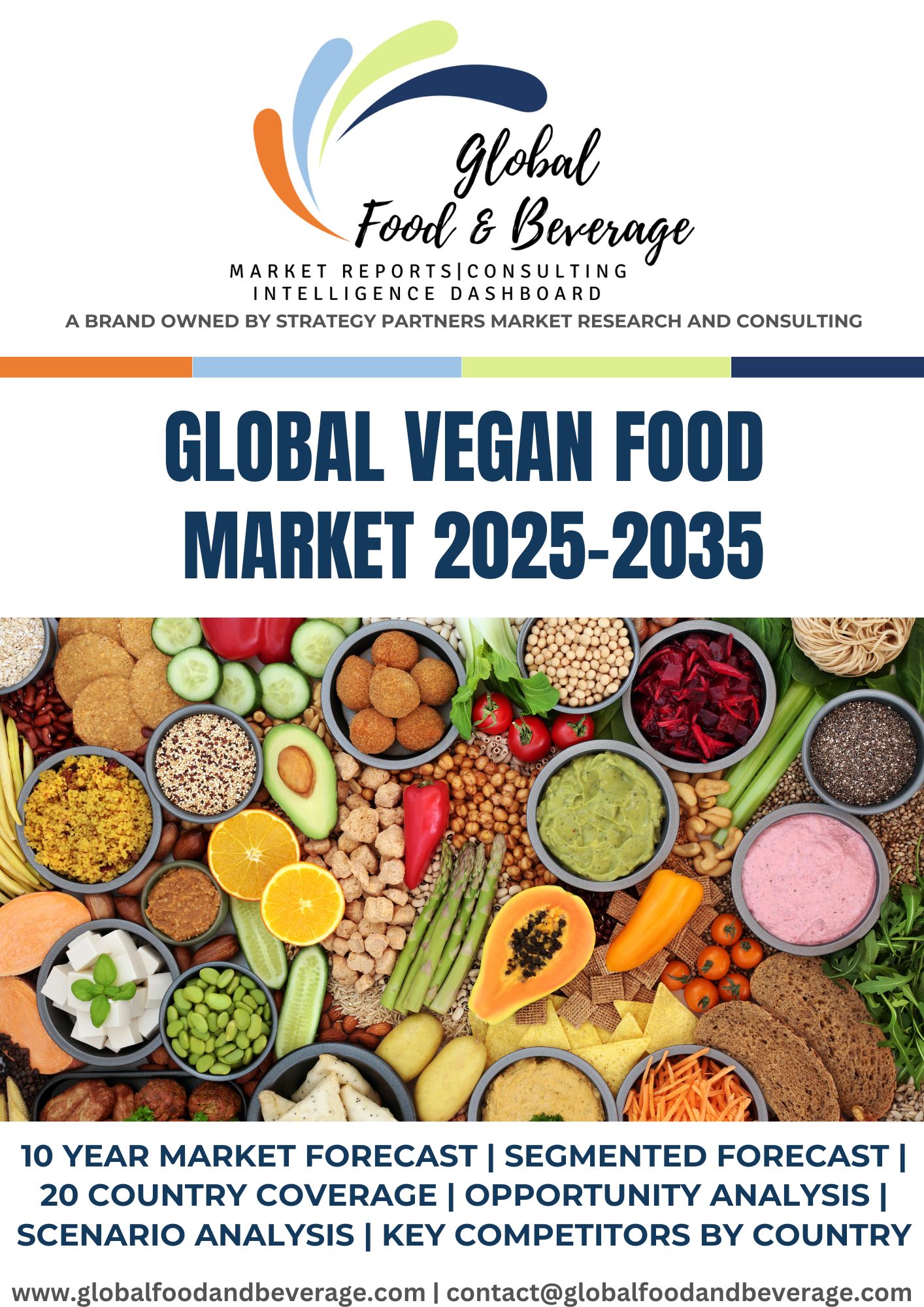
Vegan food has become one of the most significant and rapidly growing trends in global dietary habits, reflecting a widespread shift toward plant-based lifestyles driven by health, environmental, ethical, and cultural motivations. At its core, veganism excludes all animal-derived products, encompassing not only meat but also dairy, eggs, honey, and other ingredients sourced from animals. The rise of vegan food has transformed the food industry, culinary innovation, agriculture, and consumer behavior worldwide.
The concept of vegan food extends beyond just avoiding animal products; it embraces a diverse and rich array of plant-based ingredients that offer complete nutrition and culinary enjoyment. Vegetables, fruits, legumes, grains, nuts, seeds, and plant-based proteins like tofu, tempeh, and seitan form the foundation of vegan diets. Additionally, technological advances and food science have propelled the development of highly realistic meat, dairy, and egg alternatives crafted from plants, fungi, or cultured cells, expanding the range and appeal of vegan foods.
Globally, the adoption of vegan diets varies widely based on cultural, economic, and social factors. In Western countries, the trend toward veganism has surged over the past decade, fueled by increased awareness of animal welfare, climate change, and health issues such as heart disease and diabetes. Veganism is often associated with a lifestyle that values sustainability and compassion, and consumers are willing to pay premium prices for products that align with these values. Vegan food in supermarkets, restaurants, and fast-food chains has proliferated, providing accessible and convenient options for consumers.
In Asia, many traditional diets are inherently plant-based or incorporate vegetarian principles linked to religious and philosophical beliefs such as Buddhism, Jainism, and Hinduism. Countries like India have large populations practicing vegetarianism, with many dishes naturally vegan or easily adapted. The growing global interest in veganism has sparked innovation and expansion in these regions as well, with new vegan products and restaurants emerging to meet rising demand.
Latin America and Africa are also witnessing an increase in vegan food availability and consumption, although animal-based foods still play a central role in many traditional diets. The global supply chain improvements and awareness campaigns are gradually introducing more plant-based options, with local ingredients adapted for vegan preparations. These shifts offer both health benefits and opportunities for sustainable agriculture by reducing reliance on resource-intensive animal farming.
One of the critical drivers of vegan food growth is the environmental impact of conventional animal agriculture. Livestock production is a significant source of greenhouse gas emissions, deforestation, water use, and biodiversity loss. Switching to plant-based diets reduces the ecological footprint of food consumption, conserving natural resources and mitigating climate change. Governments, organizations, and companies are increasingly promoting plant-based eating as part of broader sustainability initiatives.
Health considerations are another powerful motivator. Studies suggest that well-planned vegan diets can lower the risk of chronic diseases, improve cholesterol levels, support weight management, and enhance overall well-being. Vegan diets are typically rich in fiber, antioxidants, vitamins, and minerals while being lower in saturated fat and cholesterol. However, careful planning is necessary to ensure adequate intake of nutrients such as vitamin B12, iron, calcium, and omega-3 fatty acids, which are commonly obtained from animal sources.
The food industry has responded to the vegan movement with a surge in product development and innovation. Plant-based meat substitutes, such as burgers, sausages, and nuggets made from soy, pea protein, mushrooms, or other plant ingredients, have become mainstream. Brands invest heavily in replicating the taste, texture, and appearance of meat to appeal to both vegans and flexitarians—those who reduce but do not eliminate animal products. Similarly, plant-based dairy alternatives made from almonds, oats, soy, coconut, and cashews have gained immense popularity, offering milk, cheese, yogurt, and ice cream options without animal ingredients.
Restaurants and food service have also adapted quickly, with vegan menus becoming more common in traditional establishments and dedicated vegan restaurants flourishing worldwide. This expansion provides greater access to varied and flavorful plant-based meals, debunking the myth that vegan food is bland or limited. Culinary creativity highlights the use of spices, herbs, and diverse plant ingredients to create satisfying dishes that appeal to all tastes.
Culturally, veganism intersects with ethical considerations regarding animal rights and welfare. The treatment of animals in factory farming has raised public concern, driving consumers to choose foods that do not involve animal exploitation. This ethical dimension extends beyond diet to encompass clothing, cosmetics, and lifestyle choices, making veganism part of a broader movement toward compassion and sustainability.
Social media and digital platforms have played a pivotal role in popularizing vegan food. Influencers, chefs, and advocates share recipes, restaurant reviews, and educational content, reaching millions worldwide. Documentaries and campaigns highlighting the environmental and ethical aspects of veganism have spurred interest and inspired lifestyle changes across diverse demographics.
Despite its growth, vegan food faces challenges. Accessibility and affordability remain issues in many regions, particularly where fresh produce or specialty vegan products are scarce or expensive. Nutritional education is vital to ensure balanced vegan diets, as poorly planned vegan eating can lead to deficiencies. Moreover, cultural resistance and dietary habits rooted in tradition sometimes hinder acceptance. The food industry also faces technical challenges in scaling production and maintaining taste and quality while minimizing environmental impact.
In response, public policy and advocacy efforts are increasingly supporting vegan food options. Some governments encourage plant-based diets through dietary guidelines, subsidies for plant agriculture, and public awareness campaigns. Food labeling regulations are evolving to clearly identify vegan products, assisting consumers in making informed choices. Educational institutions, workplaces, and healthcare providers are promoting plant-based nutrition as part of health and sustainability programs.
The economic impact of the vegan food sector is substantial. Market analyses indicate robust growth, with projections estimating the plant-based food market to reach tens of billions of dollars globally in the coming years. This growth stimulates job creation in agriculture, food manufacturing, retail, and food service industries. Startups and established corporations alike invest in research and development, marketing, and infrastructure to capitalize on the expanding demand.
Vegan food has also sparked innovation in agriculture, emphasizing crops that serve as key ingredients for plant-based diets. Pulses like lentils and chickpeas, oilseeds such as soy and sunflower, grains like quinoa and oats, and nuts including almonds and cashews have all gained prominence. Sustainable farming practices and regenerative agriculture are encouraged to meet demand while protecting ecosystems.
The cultural landscape surrounding vegan food is rich and evolving. Festivals, fairs, and cooking competitions celebrate plant-based cuisine, fostering community and innovation. Culinary schools offer specialized vegan programs, training chefs to create sophisticated dishes that meet dietary and ethical preferences. Vegan food is increasingly viewed not as a niche or alternative, but as a mainstream culinary style that offers exciting possibilities for flavor, nutrition, and environmental stewardship.
In summary, vegan food is a dynamic and transformative force in the global food system. It represents a convergence of health, ethics, environmental sustainability, and culinary creativity, influencing how people produce, consume, and think about food. As the movement continues to grow, it promises to reshape agriculture, industry, culture, and public policy, contributing to a more sustainable and compassionate future. The expanding variety, accessibility, and acceptance of vegan food signal a profound shift in global diets—one that embraces the power of plants to nourish people and the planet.
Table of Content
1 Market Introduction- Global Vegan food Market
1.1 Market Segmentation- Global Vegan food Market
1.2 Key Trends- Global Vegan food Market
1.2.1 Drivers
1.2.2 Restraints
1.2.3 Challenges
2 Global Market Forecast- Global Vegan food Market
1. By Region
2. By Type
3. By Sales Channel
4. By End Use
3 Country Wise Forecast- Global Vegan food Market
3.1 US
3.1.1 Key Trends
3.1.2 Type Spending
o Population
o GDP
o CPI
o Spend per Capita
o Spend as a proportion of GDP
3.1.3 Market Forecast- US Vegan food Market
1. By Type
2. By Sales Channel
3. By End Use
3.1.4 Key Competitors- US Vegan food Market
3.1.5 EXIM
3.1.6 Patents
3.1.7 Scenario Analysis- US Vegan food Market
3.1.8 Opportunity Analysis- US Vegan food Market
3.2 Canada
3.2.1 Key Trends
3.2.2 Type Spending
o Population
o GDP
o CPI
o Spend per Capita
o Spend as a proportion of GDP
3.2.3 Market Forecast- Canada Vegan food Market
1.By Type
2.By Sales Channel
3.By End Use
3.2.4 Key Competitors- Canada Vegan food Market
3.2.5 EXIM
3.2.6 Patents
3.2.7 Scenario Analysis- Canada Vegan food Market
3.2.8 Opportunity Analysis- Canada Vegan food Market
3.3 UK
3.3.1 Key Trends
3.3.2 Type Spending
o Population
o GDP
o CPI
o Spend per Capita
o Spend as a proportion of GDP
3.3.3 Market Forecast- UK Vegan food Market
1.By Type
2.By Sales Channel
3.By End Use
3.3.4 Key Competitors- UK Vegan food Market
3.3.5 EXIM
3.3.6 Patents
3.3.7 Scenario Analysis- UK Vegan food Market
3.3.8 Opportunity Analysis- UK Vegan food Market
3.4 Germany
3.4.1 Key Trends
3.4.2 Type Spending
o Population
o GDP
o CPI
o Spend per Capita
o Spend as a proportion of GDP
3.4.3 Market Forecast- Germany Vegan food Market
1.By Type
2.By Sales Channel
3.By End Use
3.4.4 Key Competitors- Germany Vegan food Market
3.4.5 EXIM
3.4.6 Patents
3.4.7 Scenario Analysis- Germany Vegan food Market
3.4.8 Opportunity Analysis- Germany Vegan food Market
3.5 France
3.5.1 Key Trends
3.5.2 Type Spending
o Population
o GDP
o CPI
o Spend per Capita
o Spend as a proportion of GDP
3.5.3 Market Forecast- France Vegan food Market
1.By Type
2.By Sales Channel
3.By End Use
3.5.4 Key Competitors- France Vegan food Market
3.5.5 EXIM
3.5.6 Patents
3.5.7 Scenario Analysis- France Vegan food Market
3.5.8 Opportunity Analysis- France Vegan food Market
3.6 Italy
3.6.1 Key Trends
3.6.2 Type Spending
o Population
o GDP
o CPI
o Spend per Capita
o Spend as a proportion of GDP
3.6.3 Market Forecast- Italy Vegan food Market
1.By Type
2.By Sales Channel
3.By End Use
3.6.4 Key Competitors- Italy Vegan food Market
3.6.5 EXIM
3.6.6 Patents
3.6.7 Scenario Analysis- Italy Vegan food Market
3.6.8 Opportunity Analysis- Italy Vegan food Market
3.7 Ireland
3.7.1 Key Trends
3.7.2 Type Spending
o Population
o GDP
o CPI
o Spend per Capita
o Spend as a proportion of GDP
3.7.3 Market Forecast- Ireland Vegan food Market
1.By Type
2.By Sales Channel
3.By End Use
3.7.4 Key Competitors- Ireland Vegan food Market
3.7.5 EXIM
3.7.6 Patents
3.7.7 Scenario Analysis- Ireland Vegan food Market
3.7.8 Opportunity Analysis- Ireland Vegan food Market
3.8 Spain
3.8.1 Key Trends
3.8.2 Type Spending
o Population
o GDP
o CPI
o Spend per Capita
o Spend as a proportion of GDP
3.8.3 Market Forecast- Spain Vegan food Market
1.By Type
2.By Sales Channel
3.By End Use
3.8.4 Key Competitors- Spain Vegan food Market
3.8.5 EXIM
3.8.6 Patents
3.8.7 Scenario Analysis- Spain Vegan food Market
3.8.8 Opportunity Analysis- Spain Vegan food Market
3.9 Belgium
3.9.1 Key Trends
3.9.2 Type Spending
o Population
o GDP
o CPI
o Spend per Capita
o Spend as a proportion of GDP
3.9.3 Market Forecast- Belgium Vegan food Market
1.By Type
2.By Sales Channel
3.By End Use
3.9.4 Key Competitors- Belgium Vegan food Market
3.9.5 EXIM
3.9.6 Patents
3.9.7 Scenario Analysis- Belgium Vegan food Market
3.9.8 Opportunity Analysis- Belgium Vegan food Market
3.10 Switzerland
3.10.1 Key Trends
3.10.2 Type Spending
o Population
o GDP
o CPI
o Spend per Capita
o Spend as a proportion of GDP
3.10.3 Market Forecast- Switzerland Vegan food Market
1.By Type
2.By Sales Channel
3.By End Use
3.10.4 Key Competitors- Switzerland Vegan food Market
3.10.5 EXIM
3.10.6 Patents
3.10.7 Scenario Analysis- Switzerland Vegan food Market
3.10.8 Opportunity Analysis- Switzerland Vegan food Market
3.11 Sweden
3.11.1 Key Trends
3.11.2 Type Spending
o Population
o GDP
o CPI
o Spend per Capita
o Spend as a proportion of GDP
3.11.3 Market Forecast- Sweden Vegan food Market
1.By Type
2.By Sales Channel
3.By End Use
3.11.4 Key Competitors- Sweden Vegan food Market
3.11.5 EXIM
3.11.6 Patents
3.11.7 Scenario Analysis- Sweden Vegan food Market
3.11.8 Opportunity Analysis- Sweden Vegan food Market
3.12 Portugal
3.12.1 Key Trends
3.12.2 Type Spending
o Population
o GDP
o CPI
o Spend per Capita
o Spend as a proportion of GDP
3.12.3 Market Forecast- Portugal Vegan food Market
1.By Type
2.By Sales Channel
3.By End Use
3.12.4 Key Competitors- Portugal Vegan food Market
3.12.5 EXIM
3.12.6 Patents
3.12.7 Scenario Analysis- Portugal Vegan food Market
3.12.8 Opportunity Analysis- Portugal Vegan food Market
3.13 The Netherlands
3.13.1 Key Trends
3.13.2 Type Spending
o Population
o GDP
o CPI
o Spend per Capita
o Spend as a proportion of GDP
3.13.3 Market Forecast- Netherlands Vegan food Market
1.By Type
2.By Sales Channel
3.By End Use
3.13.4 Key Competitors- Netherlands Vegan food Market
3.13.5 EXIM
3.13.6 Patents
3.13.7 Scenario Analysis- Netherlands Vegan food Market
3.13.8 Opportunity Analysis- Netherlands Vegan food Market
3.14 Brazil
3.14.1 Key Trends
3.14.2 Type Spending
o Population
o GDP
o CPI
o Spend per Capita
o Spend as a proportion of GDP
3.14.3 Market Forecast- Brazil Vegan food Market
1.By Type
2.By Sales Channel
3.By End Use
3.14.4 Key Competitors- Brazil Vegan food Market
3.14.5 EXIM
3.14.6 Patents
3.14.7 Scenario Analysis- Brazil Vegan food Market
3.14.8 Opportunity Analysis- Brazil Vegan food Market
3.15 Mexico
3.15.1 Key Trends
3.15.2 Type Spending
o Population
o GDP
o CPI
o Spend per Capita
o Spend as a proportion of GDP
3.15.3 Market Forecast- Mexico Vegan food Market
1.By Type
2.By Sales Channel
3.By End Use
3.15.4 Key Competitors- Mexico Vegan food Market
3.15.5 EXIM
3.15.6 Patents
3.15.7 Scenario Analysis- Mexico Vegan food Market
3.15.8 Opportunity Analysis- Mexico Vegan food Market
3.16 Australia
3.16.1 Key Trends
3.16.2 Type Spending
o Population
o GDP
o CPI
o Spend per Capita
o Spend as a proportion of GDP
3.16.3 Market Forecast- Australia Vegan food Market
1.By Type
2.By Sales Channel
3.By End Use
3.16.4 Key Competitors- Australia Vegan food Market
3.16.5 EXIM
3.16.6 Patents
3.16.7 Scenario Analysis- Australia Vegan food Market
3.16.8 Opportunity Analysis- Australia Vegan food Market
3.17 China
3.17.1 Key Trends
3.17.2 Type Spending
o Population
o GDP
o CPI
o Spend per Capita
o Spend as a proportion of GDP
3.17.3 Market Forecast- China Vegan food Market
1.By Type
2.By Sales Channel
3.By End Use
3.17.4 Key Competitors- China Vegan food Market
3.17.5 EXIM
3.17.6 Patents
3.17.7 Scenario Analysis- China Vegan food Market
3.17.8 Opportunity Analysis- China Vegan food Market
3.18 Indonesia
3.18.1 Key Trends
3.18.2 Type Spending
o Population
o GDP
o CPI
o Spend per Capita
o Spend as a proportion of GDP
3.18.3 Market Forecast- Indonesia Vegan food Market
1.By Type
2.By Sales Channel
3.By End Use
3.18.4 Key Competitors- Indonesia Vegan food Market
3.18.5 EXIM
3.18.6 Patents
3.18.7 Scenario Analysis- Indonesia Vegan food Market
3.18.8 Opportunity Analysis- Indonesia Vegan food Market
3.19 India
3.19.1 Key Trends
3.19.2 Type Spending
o Population
o GDP
o CPI
o Spend per Capita
o Spend as a proportion of GDP
3.19.3 Market Forecast- India Vegan food Market
1.By Type
2.By Sales Channel
3.By End Use
3.19.4 Key Competitors- India Vegan food Market
3.19.5 EXIM
3.19.6 Patents
3.19.7 Scenario Analysis- India Vegan food Market
3.19.8 Opportunity Analysis- India Vegan food Market
3.20 Japan
3.20.1 Key Trends
3.20.2 Type Spending
o Population
o GDP
o CPI
o Spend per Capita
o Spend as a proportion of GDP
3.20.3 Market Forecast- Japan Vegan food Market
1.By Type
2.By Sales Channel
3.By End Use
3.20.4 Key Competitors- Japan Vegan food Market
3.20.5 EXIM
3.20.6 Patents
3.20.7 Scenario Analysis- Japan Vegan food Market
3.20.8 Opportunity Analysis- Japan Vegan food Market
3.21 South Korea
3.21.1 Key Trends
3.21.2 Type Spending
o Population
o GDP
o CPI
o Spend per Capita
o Spend as a proportion of GDP
3.21.3 Market Forecast- South Korea Vegan food Market
1.By Type
2.By Sales Channel
3.By End Use
3.21.4 Key Competitors- South Korea Vegan food Market
3.21.5 EXIM
3.21.6 Patents
3.21.7 Scenario Analysis- South Korea Vegan food Market
3.21.8 Opportunity Analysis- South Korea Vegan food Market
3.22 Thailand
3.22.1 Key Trends
3.22.2 Type Spending
o Population
o GDP
o CPI
o Spend per Capita
o Spend as a proportion of GDP
3.22.3 Market Forecast- Thailand Vegan food Market
1.By Type
2.By Sales Channel
3.By End Use
3.22.4 Key Competitors- Thailand Vegan food Market
3.22.5 EXIM
3.22.6 Patents
3.22.7 Scenario Analysis- Thailand Vegan food Market
3.22.8 Opportunity Analysis- Thailand Vegan food Market
3.23 Malaysia
3.23.1 Key Trends
3.23.2 Type Spending
o Population
o GDP
o CPI
o Spend per Capita
o Spend as a proportion of GDP
3.23.3 Market Forecast- Malaysia Vegan food Market
1.By Type
2.By Sales Channel
3.By End Use
3.23.4 Key Competitors- Malaysia Vegan food Market
3.23.5 EXIM
3.23.6 Patents
3.23.7 Scenario Analysis- Malaysia Vegan food Market
3.23.8 Opportunity Analysis- Malaysia Vegan food Market
3.24 Singapore
3.24.1 Key Trends
3.24.2 Type Spending
o Population
o GDP
o CPI
o Spend per Capita
o Spend as a proportion of GDP
3.24.3 Market Forecast- Singapore Vegan food Market
1.By Type
2.By Sales Channel
3.By End Use
3.24.4 Key Competitors- Singapore Vegan food Market
3.24.5 EXIM
3.24.6 Patents
3.24.7 Scenario Analysis- Singapore Vegan food Market
3.24.8 Opportunity Analysis- Singapore Vegan food Market
4 Opportunity Matrix- Global Vegan food Market
5 Conclusions and Recommendations- Global Vegan food Market
6 About Global Food & Beverages