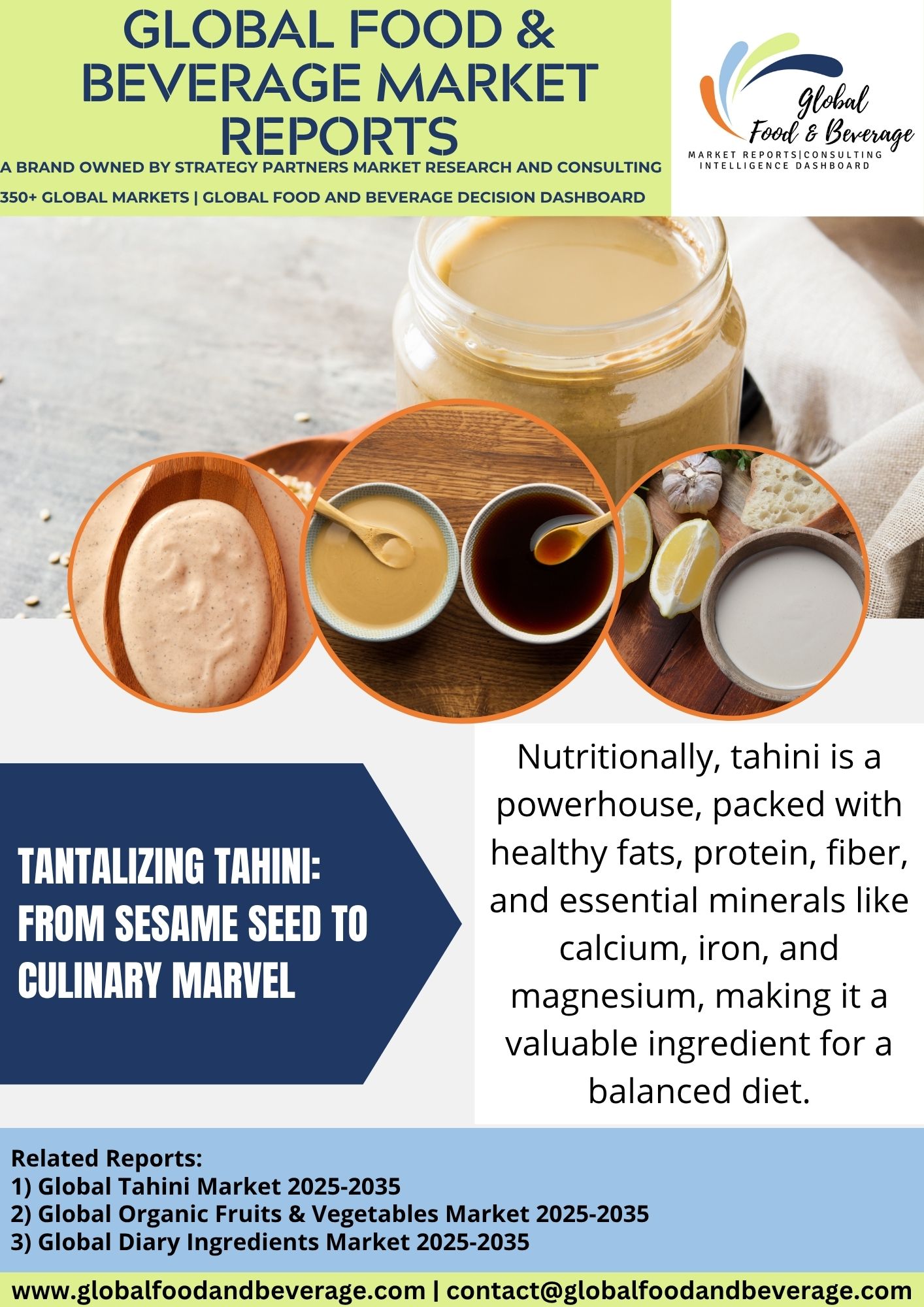
Tahini, a versatile and nutrient-rich paste made from ground sesame seeds, has long been a staple in Middle Eastern and Mediterranean cuisines. Known for its creamy texture and distinct nutty flavor, tahini has gained global popularity as a key ingredient in various culinary applications.
To produce tahini, hulled or unhulled sesame seeds are roasted and then ground into a smooth paste. The resulting product can vary in color, with some tahini being light in color due to the use of hulled sesame seeds, while others maintain a darker hue from the inclusion of unhulled seeds. The choice between hulled and unhulled tahini can impact both flavor and nutritional profile.
Tahini serves as a fundamental component in traditional dishes like hummus, baba ganoush, and halva, contributing a rich and savory element to these classic recipes. Its versatility extends beyond savory applications, as tahini is also featured in sweet treats, dressings, sauces, and even beverages.
Nutritional Benefits:
Nutritionally, tahini is a powerhouse, boasting a high content of healthy fats, particularly monounsaturated fats and polyunsaturated fats. These fats contribute to heart health and provide a good source of energy. Tahini is also rich in essential minerals such as phosphorus, magnesium, and iron. Additionally, it contains notable amounts of protein, making it a valuable plant-based protein source, especially for those following vegetarian or vegan diets.
The distinct flavor profile of tahini, characterized by its nuttiness and slight bitterness, adds depth to a variety of dishes. As the demand for diverse and flavorful cuisines continues to grow, tahini has found its way into the kitchens of chefs and home cooks around the world. Its adaptability and nutritional benefits make it a go-to ingredient for those seeking both taste and health in their culinary creations. Whether used as a dip, a spread, or a key ingredient in recipes, tahini’s popularity is indicative of its status as a global culinary delight.
Advancement:
The advancement of tahini, a versatile paste made from ground sesame seeds, has undergone a remarkable evolution, expanding its culinary presence beyond traditional uses and embracing global popularity. Originally a staple in Middle Eastern and Mediterranean cuisines, tahini has become a culinary trendsetter due to its unique flavor profile and nutritional benefits.
In recent years, tahini has transcended its role as a condiment or ingredient in classic dishes like hummus and falafel. Culinary innovators have incorporated tahini into a myriad of recipes, including sauces, dressings, desserts, and even beverages. Its creamy texture and nutty taste make it a versatile and sought-after ingredient in both savory and sweet applications.
Nutritional awareness has played a role in the rising popularity of tahini, as it is rich in healthy fats, protein, and essential minerals. The global demand for plant-based and nutrient-dense foods has propelled tahini into the spotlight, appealing to health-conscious consumers seeking alternatives to traditional spreads and sauces.
Advancements in production methods have also contributed to the availability of high-quality tahini globally. The use of modern machinery and stringent quality control measures ensure consistency in flavor and texture, meeting the expectations of discerning consumers.
Challenge:
Tahini, a popular condiment made from ground sesame seeds, faces several challenges in its production and market presence. One primary concern is the availability and quality of sesame seeds, which are the core ingredient in tahini production. Fluctuations in sesame seed prices, susceptibility to weather conditions affecting sesame crops, and geopolitical factors impacting sesame-producing regions can all contribute to the volatility in the supply chain, influencing the overall cost and availability of tahini.
Maintaining consistent quality poses another challenge. The taste, texture, and color of tahini can vary based on factors such as sesame seed variety, processing methods, and storage conditions. Achieving uniformity in flavor and texture is crucial for consumer satisfaction and brand reputation. Additionally, issues related to sesame seed contamination or the presence of allergens must be carefully managed to meet food safety standards and regulations.
Market competition and consumer preferences are dynamic challenges for the tahini industry. As consumer awareness of health and nutrition increases, demand for high-quality, organic, or specialty tahini products may rise. Producers must continually adapt to these changing preferences and invest in research and development to introduce innovative tahini products that cater to evolving consumer trends.
Export and distribution challenges may arise due to regulatory requirements and trade barriers in different countries. Ensuring compliance with international standards and addressing import restrictions is vital for expanding the global reach of tahini producers.
Lastly, environmental sustainability concerns are becoming increasingly important in the food industry. Tahini producers may face pressure to adopt sustainable sourcing practices, reduce water usage, and minimize waste in their production processes to align with global sustainability goals.
Conclusion:
In conclusion, tahini stands as a versatile and globally appreciated culinary delight, originating from ground sesame seeds. Its rich, nutty flavor and creamy texture have transcended cultural boundaries, making it a staple in various cuisines. Beyond its traditional use in Middle Eastern dishes, tahini has found a place in contemporary diets, offering a nutrient-dense alternative in plant-based and gluten-free recipes. With its array of health benefits, including heart-healthy fats and essential nutrients, tahini aligns with evolving consumer preferences for wholesome and flavorful food choices. As culinary landscapes continue to diversify, tahini’s enduring popularity reflects its adaptability and timeless appeal.