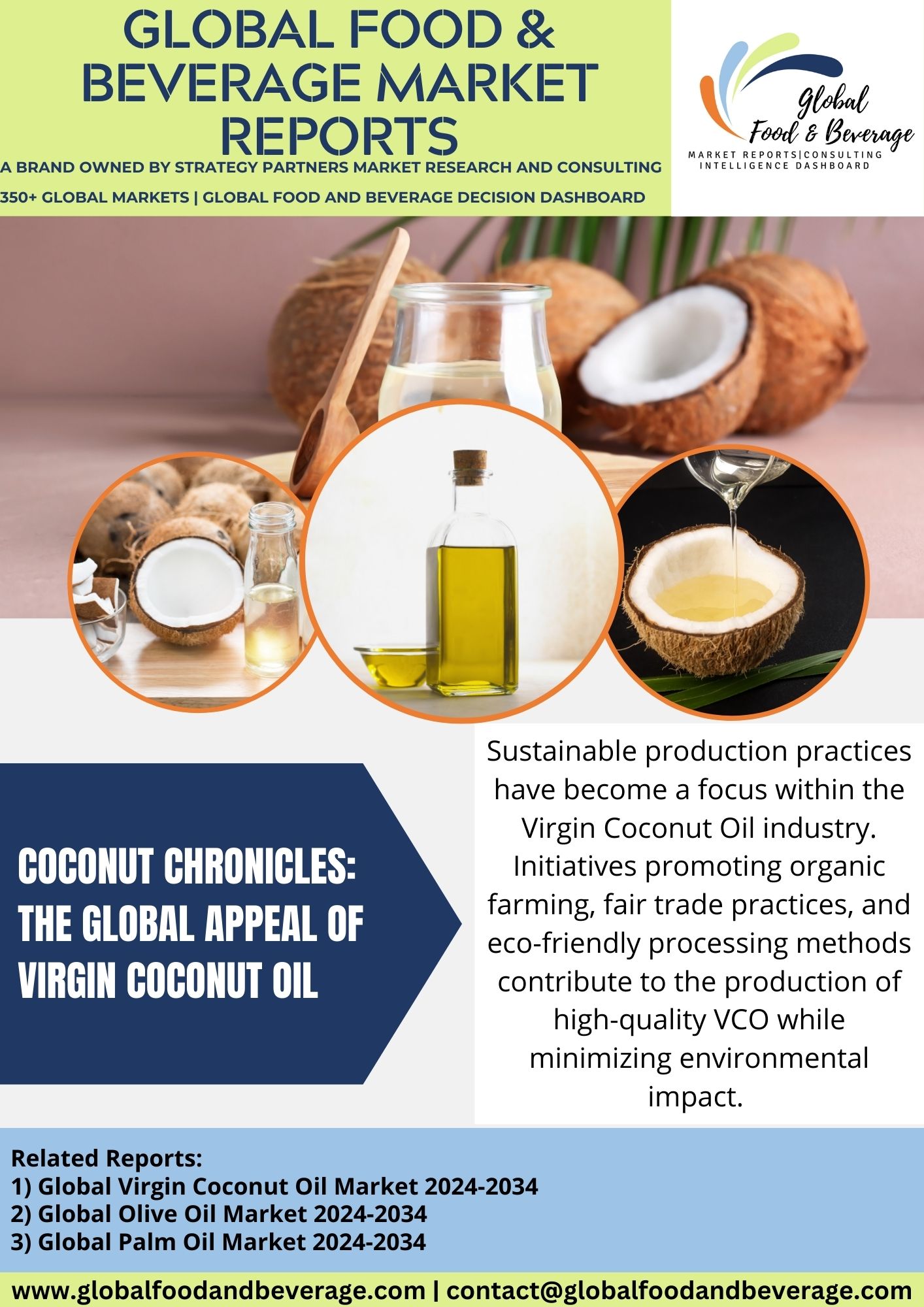
Virgin Coconut Oil (VCO), hailed for its myriad health benefits and versatile applications, has gained global popularity as a natural, plant-derived oil. Extracted from the fresh meat of coconuts without the use of high heat or chemicals, VCO retains its natural flavor, aroma, and nutritional properties, setting it apart from refined coconut oil.
Renowned for its high concentration of medium-chain fatty acids (MCFAs) such as lauric acid, capric acid, and caprylic acid, VCO is believed to offer various health advantages. Lauric acid, in particular, is known for its potential antimicrobial and antiviral properties, contributing to the oil’s reputation as a natural immune system booster. Additionally, MCFAs are considered more easily digestible than long-chain fatty acids, making VCO a popular choice for those seeking a health-conscious cooking oil.
In the culinary realm, VCO’s mild and pleasant coconut flavor makes it a versatile ingredient for a wide range of dishes. From sautéing and roasting to baking and salad dressings, its ability to impart a subtle coconut essence adds a unique touch to various cuisines. It is particularly favored in tropical and Asian cuisines, where coconut plays a prominent role.
Beyond the kitchen, VCO has found applications in the beauty and wellness industries. Valued for its moisturizing and nourishing properties, VCO is a common ingredient in skincare products such as lotions, creams, and hair treatments. The oil’s natural antioxidants may contribute to skin health, and its emollient properties make it a sought-after choice for promoting hair shine and strength.
Awareness:
The global demand for Virgin Coconut Oil has surged in response to the increasing awareness of natural, plant-based products and their potential health benefits. Sustainable and eco-friendly production practices, coupled with the rise of health-conscious consumers, have positioned VCO as a prominent player in the global market.
While the nutritional and therapeutic claims associated with VCO continue to be areas of ongoing research, its widespread adoption as a culinary and wellness staple reflects a growing preference for natural, minimally processed products that align with the principles of a holistic and health-conscious lifestyle.
Advancement:
The global advancement of Virgin Coconut Oil (VCO) signifies a notable evolution driven by a heightened awareness of its potential health benefits, sustainable production practices, and diverse applications. Originally prized for its traditional uses in cooking and wellness in tropical regions, VCO has gained international recognition for its unique properties.
One key advancement is the increasing awareness of the potential health benefits associated with VCO. Rich in medium-chain fatty acids and lauric acid, VCO is celebrated for its potential anti-inflammatory, antimicrobial, and heart-healthy properties. This has fueled its popularity as a nutritional supplement, ingredient in natural cosmetics, and a component of health and wellness regimens.
Sustainable production practices have become a focus within the VCO industry. Initiatives promoting organic farming, fair trade practices, and eco-friendly processing methods contribute to the production of high-quality VCO while minimizing environmental impact. These practices resonate with consumers seeking ethically sourced and environmentally responsible products.
The diversification of VCO applications extends beyond culinary uses. It has become a prominent ingredient in skincare and haircare products due to its moisturizing and nourishing properties. The global beauty and personal care industry increasingly incorporates VCO, reflecting a broader trend towards natural and plant-based ingredients.
Challenge:
The global virgin coconut oil (VCO) industry faces several challenges that span production, market dynamics, and sustainability. One significant challenge is the vulnerability of coconut crops to climate change. Coconut trees are susceptible to extreme weather events, such as hurricanes and droughts, which can adversely affect yields and the quality of coconuts. Climate-related challenges pose risks to the consistent supply of coconuts for VCO production, leading to potential fluctuations in prices and availability.
Sustainability concerns are paramount in the VCO industry. Issues related to deforestation, monoculture, and the environmental impact of coconut cultivation demand attention. Ethical and sustainable sourcing practices are crucial for maintaining the ecological balance and ensuring the long-term viability of the VCO supply chain. Producers face increasing pressure to adopt and certify sustainable and fair trade practices.
Market competition is intensifying in the health and wellness sector, where VCO is often positioned as a premium product. The industry must address the challenge of differentiating itself and communicating the unique benefits of VCO amidst a growing array of plant-based oils and health-focused alternatives.
Quality control is another challenge. Ensuring consistent quality in VCO production is essential for meeting consumer expectations and regulatory standards. Producers must implement rigorous quality assurance measures to maintain the purity and authenticity of their products.
Additionally, trade barriers, geopolitical factors, and fluctuating transportation costs can impact the global market for VCO. Navigating these challenges requires a holistic approach, incorporating sustainable agricultural practices, quality control measures, and strategic market positioning to ensure the resilience and success of the VCO industry.
Conclusion:
In conclusion, the global popularity of Virgin Coconut Oil (VCO) marks a paradigm shift towards natural and health-conscious choices. Recognized for its versatile applications in cooking, skincare, and wellness, VCO’s nutritional benefits and medium-chain triglycerides have garnered widespread consumer attention. The market expansion is indicative of a growing preference for unprocessed, pure alternatives. However, challenges such as sourcing sustainability and quality control persist. As VCO continues to gain traction as a superfood and holistic wellness aid, ongoing research and a commitment to ethical practices are essential to unlocking its full potential in meeting the evolving demands of health-conscious consumers on a global scale.