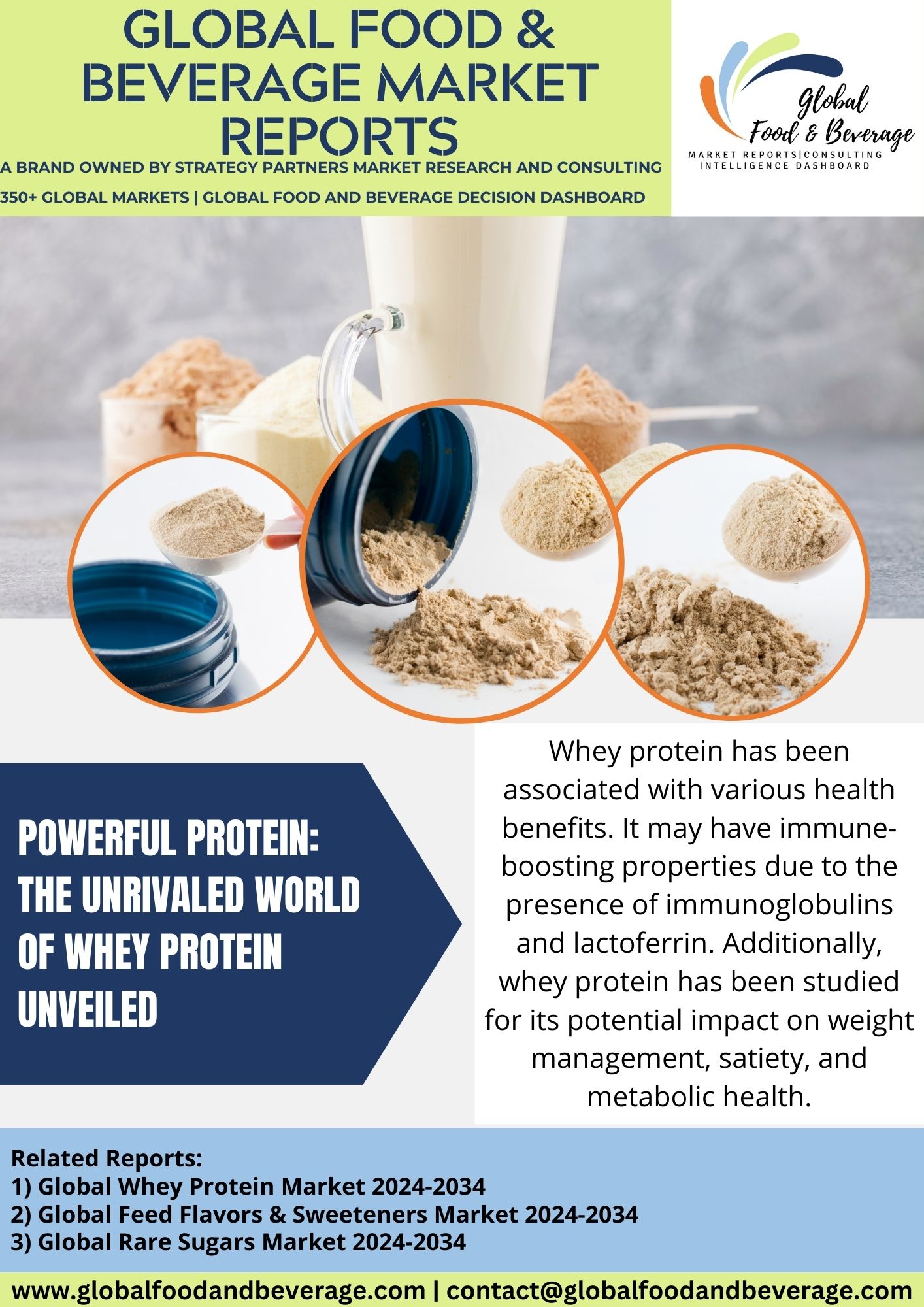
Whey protein, a byproduct of cheese production, has emerged as a nutritional powerhouse and a popular dietary supplement known for its rich amino acid profile and numerous health benefits. This high-quality protein is extracted from whey, the liquid remaining after milk has been curdled and strained during the cheese-making process.
Whey protein is divided into two primary forms: whey protein concentrate (WPC) and whey protein isolate (WPI). WPC contains a range of proteins along with some fats and carbohydrates, while WPI undergoes additional processing to remove most of the non-protein components, resulting in a product with a higher protein concentration. Both forms are valued for their quick absorption and completeness of essential amino acids.
Amino acids are the building blocks of proteins, and whey protein is particularly rich in essential amino acids, including branched-chain amino acids (BCAAs) such as leucine, isoleucine, and valine. Leucine, in particular, is crucial for stimulating muscle protein synthesis, making whey protein a favored choice for individuals looking to support muscle growth, recovery, and overall athletic performance.
HEALTH BENEFITS:
Beyond its role in muscle health, whey protein has been associated with various health benefits. It may have immune-boosting properties due to the presence of immunoglobulins and lactoferrin. Additionally, whey protein has been studied for its potential impact on weight management, satiety, and metabolic health.
The versatility of whey protein extends beyond traditional protein shakes. It is a common ingredient in protein bars, nutritional snacks, and functional beverages. Its neutral taste allows it to be seamlessly incorporated into a variety of food products, including dairy items, baked goods, and even savory applications.
As the fitness and wellness industries continue to thrive, whey protein maintains its status as a staple in the world of sports nutrition and dietary supplementation. Its diverse applications, coupled with its nutritional benefits, position whey protein as a key player in meeting the protein needs of individuals pursuing active and health-conscious lifestyles.
ADVANCEMENT:
The global advancement of whey protein has undergone a transformative journey, emerging from its origins as a byproduct of cheese production to becoming a cornerstone in the nutrition and fitness industry. Originally valued for its high-quality protein content, whey protein has evolved in response to changing consumer preferences, technological innovations, and a growing emphasis on health and wellness.
One key advancement is the diversification of whey protein products to cater to specific dietary needs and fitness goals. From whey protein concentrates to isolates and hydrolysates, manufacturers now offer a range of options to meet varying protein requirements, supporting muscle development, recovery, and overall nutritional needs.
Technological innovations in processing methods, such as cross-flow microfiltration and ion exchange, have improved the purity and bioavailability of whey protein. These advancements ensure the retention of essential amino acids while reducing lactose and fat content, making whey protein a convenient and efficient source of high-quality protein.
Whey protein’s integration into a variety of food and beverage products has expanded, ranging from protein bars and shakes to functional foods and snacks. Its versatility and neutral taste profile make it a popular choice for fortifying a wide array of consumer goods.
CHALLENGE:
The whey protein industry faces diverse challenges spanning production, market dynamics, and consumer preferences. One significant challenge is the fluctuation in raw material prices. Whey protein is a byproduct of cheese production, and variations in milk prices and dairy industry dynamics can impact the cost and availability of whey. This can lead to challenges in maintaining price stability and cost-effectiveness for both manufacturers and consumers.
Market competition is intense, with numerous whey protein products available. Manufacturers must differentiate their offerings through innovation, unique formulations, and marketing strategies to stand out in a crowded market. Additionally, the rise of alternative protein sources and plant-based options poses a challenge, as consumers increasingly explore diverse protein choices beyond traditional whey.
Quality control is paramount, given the variability in whey protein composition. Ensuring consistent protein content, purity, and meeting regulatory standards is crucial for consumer trust and compliance. Quality assurance measures throughout the production process are essential to deliver reliable and safe whey protein products.
Changing consumer preferences present challenges. While whey protein is popular among fitness enthusiasts and athletes, the industry must adapt to evolving health and wellness trends, including preferences for clean labels, natural ingredients, and sustainable sourcing.
Furthermore, global supply chain disruptions, such as those seen during the COVID-19 pandemic, can impact the availability and pricing of whey protein. Ensuring a resilient and flexible supply chain is vital to navigate unforeseen challenges and maintain a steady flow of products to meet market demands.
CONCLUSION:
In conclusion, whey protein has become a cornerstone in the global pursuit of fitness and nutritional well-being. Derived from milk, its complete amino acid profile and rapid absorption make it a favored supplement in sports nutrition. Beyond muscle support, whey protein’s versatility integrates seamlessly into a variety of food products, reflecting the growing demand for protein-enriched options. The market’s robust growth is indicative of its widespread adoption among health-conscious consumers. As dietary trends and fitness awareness continue to shape consumer choices, whey protein’s role as a convenient and effective source of high-quality protein solidifies its position as a key player in the evolving landscape of nutritional supplementation.