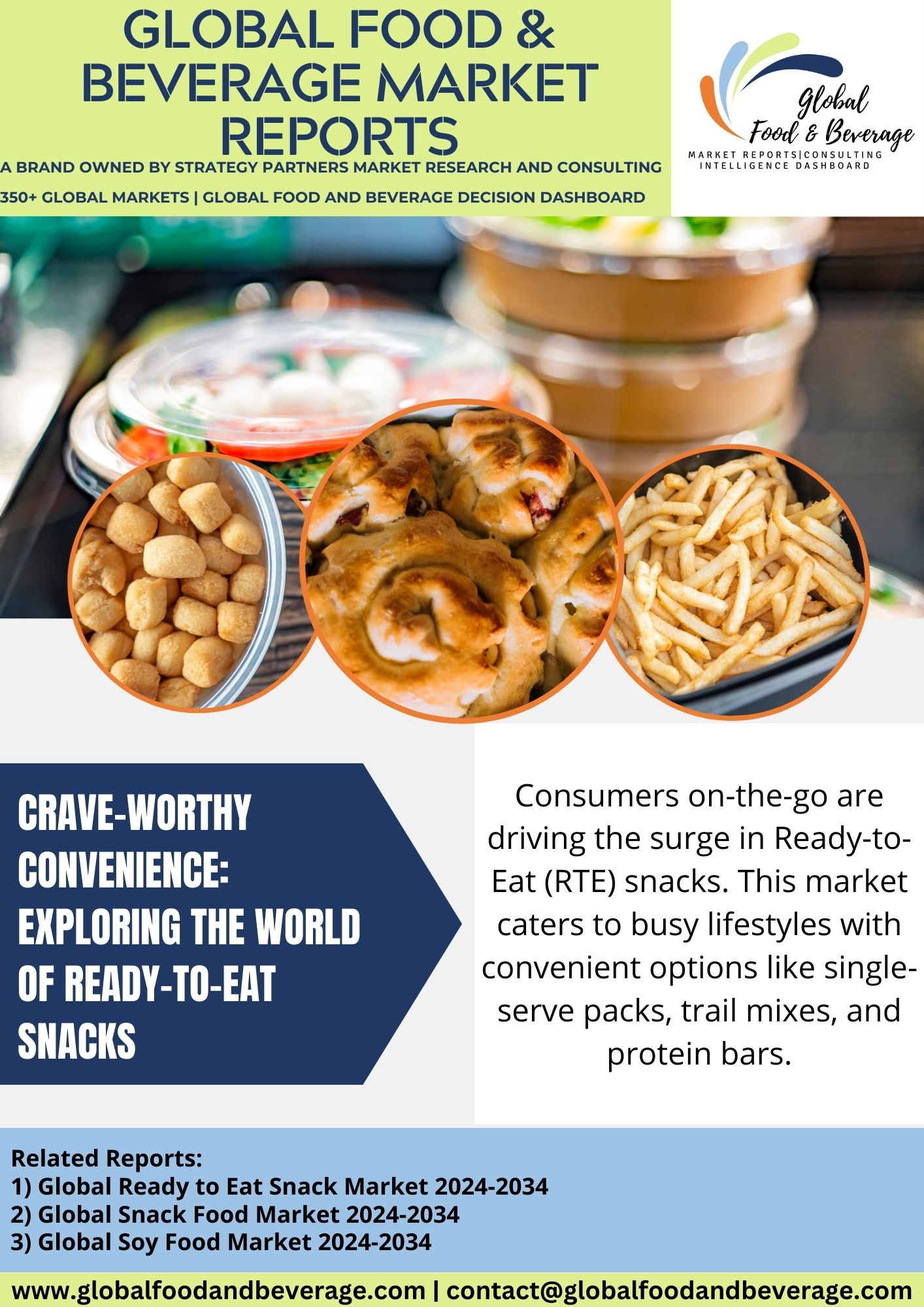
Ready-to-eat snacks have become an integral part of contemporary lifestyles, providing a quick, convenient, and satisfying solution for on-the-go consumers. These snacks are pre-packaged and require little to no preparation, making them a popular choice for individuals seeking immediate gratification or a convenient pick-me-up.
The allure of ready-to-eat snacks lies in their accessibility and versatility. With busy schedules and the demand for convenience, consumers turn to RTE snacks for a quick energy boost, a flavorful indulgence, or a convenient solution for those moments between meals. These snacks cover a broad spectrum, ranging from savory to sweet, catering to diverse taste preferences.
The RTE snacks market is characterized by a diverse array of offerings, including chips, crackers, granola bars, trail mix, fruit cups, and more. This variety allows consumers to choose snacks that align with their dietary preferences, nutritional goals, and flavor preferences. Additionally, manufacturers often introduce innovative flavors and formulations to keep up with evolving consumer trends.
Portability is a key feature of RTE snacks, enabling consumers to enjoy them at work, during travel, or as convenient bites while engaged in various activities. Individually wrapped portions and resealable packaging enhance the convenience and freshness of these snacks, making them suitable for a grab-and-go lifestyle.
While the convenience of RTE snacks is undeniable, there is an increasing emphasis on their nutritional profiles. Health-conscious consumers are looking for snacks that offer a balance between taste and nutritional benefits. As a result, manufacturers are incorporating healthier ingredients, reducing artificial additives, and focusing on portion control to align with evolving dietary preferences.
Ready-to-eat snacks continue to evolve with consumer demands, incorporating new flavors, ingredients, and packaging innovations. As a quick and accessible option for satisfying hunger and cravings, RTE snacks remain a popular and dynamic segment within the broader snack industry, reflecting the changing lifestyles and preferences of today’s consumers.
ADVANCEMENT:
The Ready-to-Eat (RTE) snacks market has undergone remarkable advancements globally, fueled by a combination of technological innovation and shifting consumer preferences. One significant trend is the emphasis on healthier formulations. Manufacturers are increasingly incorporating natural and wholesome ingredients, reducing artificial additives, and introducing innovative processing techniques to enhance the nutritional profile of RTE snacks.
In response to the growing demand for convenient yet nutritious options, there’s a notable surge in plant-based and alternative snacks. The development of snacks made from plant-derived proteins, grains, and vegetables caters to the rising popularity of vegetarian, vegan, and flexitarian diets, reflecting a broader trend towards sustainable and mindful consumption.
Advancements in flavor technology have played a crucial role in enhancing the taste and variety of RTE snacks. Innovations in seasoning, flavor profiles, and unique combinations contribute to a more enjoyable snacking experience, meeting the evolving preferences of diverse consumer demographics.
Moreover, packaging innovations have improved convenience and sustainability. Portion-controlled packaging, resealable options, and the use of eco-friendly materials align with consumer expectations for both ease of use and environmental responsibility.
CHALLENGE:
Ready-to-eat (RTE) snacks, encompassing a wide range of convenient and pre-packaged snack options, face several challenges in the global market. One significant challenge is addressing the balance between taste, convenience, and health considerations. As consumers increasingly seek healthier snack options, manufacturers face the challenge of formulating products that are not only convenient and tasty but also meet nutritional preferences and dietary restrictions.
Supply chain complexities impact the industry. The production of RTE snacks involves various ingredients, including perishable and non-perishable components. Ensuring a stable supply chain, managing inventory, and minimizing food waste are crucial challenges, particularly in the context of fluctuating raw material costs, transportation issues, and global supply chain disruptions.
Regulatory compliance and labeling complexities add to the challenges. Different regions have varying regulations regarding food safety, labeling, and nutritional claims. Navigating these diverse standards requires manufacturers to invest in compliance expertise to ensure market access and consumer trust.
Consumer education is crucial. Despite the growing awareness of health and wellness, some consumers may not fully understand the nutritional content of RTE snacks or how to interpret product labels. Educating consumers about the benefits of healthier snack choices and providing clear nutritional information is essential for making informed purchasing decisions.
Packaging and sustainability concerns are growing challenges. The environmental impact of packaging materials used for RTE snacks, such as single-use plastics, is a concern. Striking a balance between convenience and sustainability by adopting eco-friendly packaging solutions is a significant challenge for the industry.
Market competition and pricing pressures influence the industry. The RTE snacks market is highly competitive, with various brands offering diverse flavors and formulations. Price fluctuations, influenced by factors like raw material costs and market demand, can impact the affordability and profitability of RTE snacks.
CONCLUSION:
In conclusion, the Ready-to-Eat (RTE) snacks market is thriving, propelled by the contemporary consumer’s preference for convenience, flavor diversity, and on-the-go indulgence. This sector’s adaptability to evolving dietary trends, including healthier options and global flavors, sustains its growth. The industry’s focus on innovation in packaging and snack formats aligns with the demand for quick, satisfying, and portable treats. As lifestyles become increasingly fast-paced, RTE snacks continue to meet the demand for convenient, flavorful, and ready-to-consume options. With ongoing product diversification and an emphasis on health and taste, the RTE snacks market presents robust opportunities for companies catering to the dynamic preferences of modern consumers.