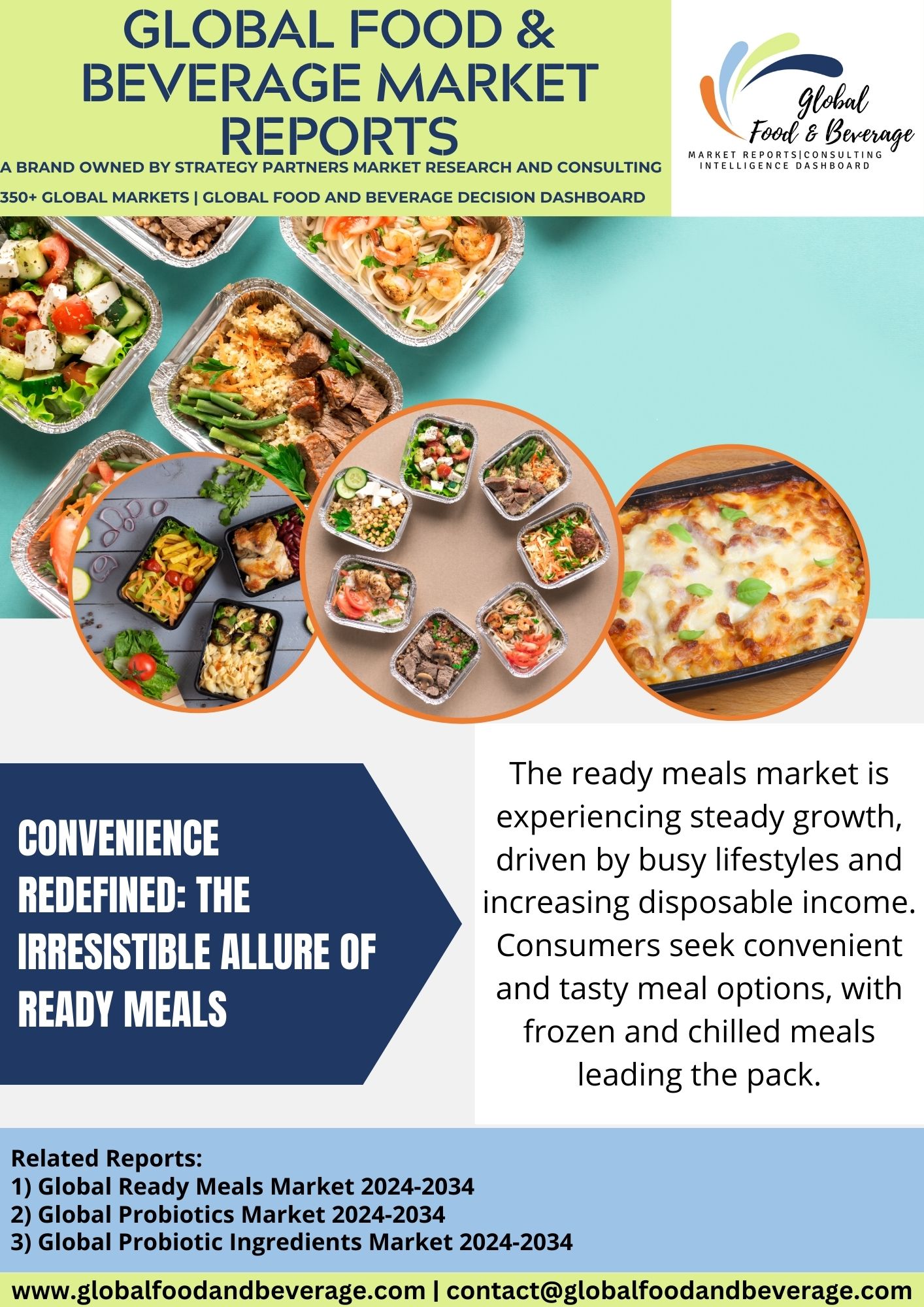
Ready meals, also known as convenience or pre-packaged meals, have become a ubiquitous and convenient food choice for individuals with busy lifestyles or those seeking quick and effortless meal solutions. These meals are pre-prepared, pre-cooked, and often pre-portioned, requiring minimal effort in terms of cooking or assembly before consumption.
The appeal of ready meals lies in their time-saving convenience. With the hectic pace of modern life, many consumers appreciate the ability to enjoy a hot and satisfying meal without the need for extensive preparation or cooking skills. Ready meals cater to a diverse range of tastes and preferences, offering options that span various cuisines and dietary requirements.
The market for ready meals has evolved beyond simple frozen dinners to include a wide array of options, ranging from fresh, refrigerated meals to shelf-stable varieties. These meals cover breakfast, lunch, and dinner options, providing solutions for different eating occasions. Additionally, they come in single-serving portions or larger sizes, accommodating both individuals and families.
Technological advancements in food preservation and packaging have played a crucial role in the expansion of the ready meals market. Innovations such as vacuum sealing, modified atmosphere packaging, and microwaveable containers contribute to the shelf life and ease of preparation, ensuring that consumers can enjoy a convenient and satisfying meal experience.
While the convenience of ready meals is undeniable, there is ongoing scrutiny regarding their nutritional content. Efforts by manufacturers to address health concerns have led to the development of healthier and more diverse options, incorporating whole grains, lean proteins, and a variety of vegetables.
Ready meals continue to evolve to meet the changing demands of consumers, reflecting shifts in dietary preferences, health consciousness, and the desire for diverse and flavorful meal options. As a result, the ready meals market remains dynamic and responsive, providing a convenient solution for those seeking a balance between a busy lifestyle and the desire for enjoyable and nourishing meals.
ADVANCEMENT:
The ready meals sector has experienced notable advancements on a global scale, driven by evolving consumer lifestyles and technological innovations. One significant development is the application of cutting-edge food processing technologies, such as high-pressure processing and sous-vide cooking, enhancing the quality and flavor of ready meals while preserving nutritional value.
Advancements in packaging technology have also played a crucial role. The introduction of innovative packaging materials and techniques, including vacuum-sealing and modified atmosphere packaging, extends the shelf life of ready meals without compromising freshness or taste. This has not only improved convenience for consumers but has also contributed to a reduction in food waste.
Moreover, the rise of smart and connected kitchen appliances has facilitated a new era in the preparation of ready meals. Consumers can now use mobile apps and smart devices to control cooking appliances, customize heating instructions, and even monitor nutritional content, providing a more personalized and convenient dining experience.
The focus on health and wellness has driven advancements in the formulation of ready meals, with an increased emphasis on natural ingredients, reduced additives, and the incorporation of dietary preferences such as gluten-free, vegetarian, and plant-based options.
CHALLENGE:
Ready meals, convenient and pre-packaged food products designed for quick consumption, face several challenges in the global market. One significant challenge is meeting consumer expectations for both taste and nutritional quality. Balancing convenience with health considerations, such as reducing salt, sugar, and additives, is an ongoing challenge for manufacturers to align with evolving consumer preferences.
Supply chain complexities impact the industry. The production of ready meals involves various perishable and non-perishable ingredients. Ensuring a stable supply chain, managing inventory, and minimizing food waste are crucial challenges, particularly in the context of fluctuating raw material costs and supply chain disruptions.
Regulatory compliance and labeling add complexity. Different regions have varying regulations regarding food labeling, nutritional content, and health claims. Adhering to these diverse standards requires manufacturers to invest in compliance expertise to ensure market access and consumer trust.
Packaging and sustainability concerns are growing challenges. While convenient, the packaging of ready meals often contributes to environmental issues. Striking a balance between preserving food quality and reducing environmental impact by adopting sustainable packaging solutions is a significant challenge for the industry.
Health and wellness considerations impact product development. Increasing consumer awareness of health and wellness has led to demands for cleaner ingredient labels and healthier options in ready meals. Adapting to these changing preferences while maintaining taste and convenience requires ongoing innovation in product development.
Market competition and pricing pressures influence the industry. The ready meals market is highly competitive, with various brands offering diverse cuisines and formulations. Price fluctuations, influenced by factors like raw material costs and market demand, can impact the affordability and profitability of ready meals.
CONCLUSION:
In conclusion, the global market for ready meals continues to flourish, driven by evolving consumer lifestyles and the demand for convenient, time-saving food solutions. The industry’s innovation in diverse cuisines, nutritional profiles, and sustainable packaging meets the preferences of busy individuals seeking quick and wholesome dining options. The post-pandemic landscape further accelerates the ready meals market, emphasizing the importance of home dining convenience. As taste, quality, and health considerations remain paramount, manufacturers are poised to capitalize on these trends through ongoing product development. With a trajectory toward increased customization and healthier options, the ready meals market offers sustained growth prospects worldwide.