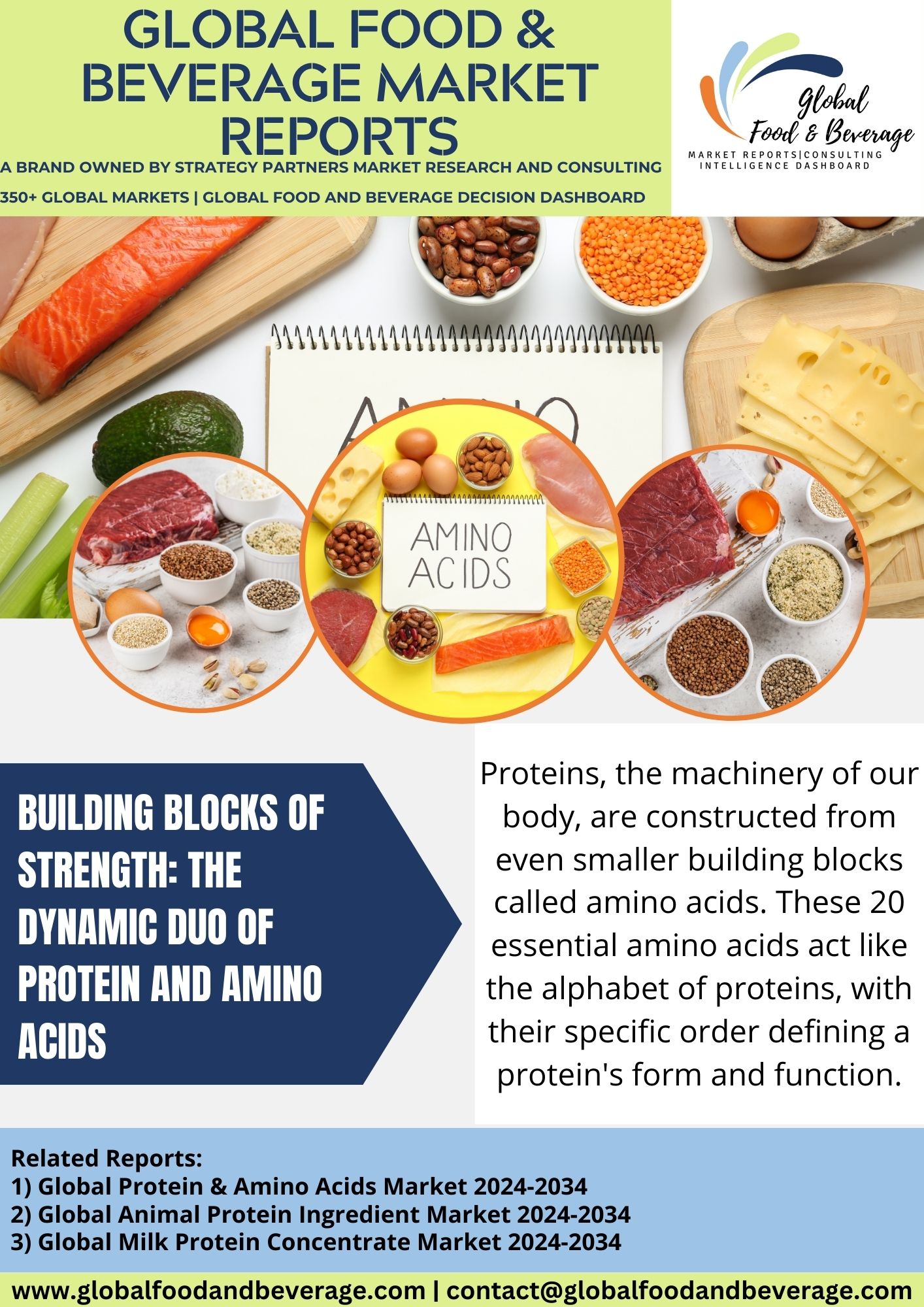
Proteins and amino acids are fundamental building blocks of the human body, playing crucial roles in various physiological functions and contributing to overall health. Proteins, composed of amino acids, are essential for the structure, function, and regulation of tissues, organs, and metabolic processes.
Amino acids, often referred to as the “”building blocks of proteins,”” are organic compounds that combine to form proteins through a process called protein synthesis. There are 20 different amino acids that the human body uses to build proteins, and they can be categorized into essential and non-essential amino acids. Essential amino acids cannot be produced by the body and must be obtained through the diet, while non-essential amino acids can be synthesized within the body.
Dietary sources of protein, such as meat, dairy products, legumes, and grains, provide the necessary amino acids for protein synthesis. The body uses these amino acids to create proteins that serve various functions, including enzyme catalysis, immune system support, and the formation of structural tissues like muscles, hair, and skin.
Proteins are also integral to the regulation of cellular processes. Signaling proteins, for example, transmit signals within cells and between cells, allowing for proper communication and coordination of physiological activities. Enzymes, another type of protein, facilitate biochemical reactions, ensuring that metabolic processes proceed efficiently.
Adequate protein intake is vital for maintaining health, as proteins and amino acids contribute to muscle development, tissue repair, and the synthesis of hormones and neurotransmitters. Insufficient protein intake can lead to health issues such as muscle wasting, impaired immune function, and compromised growth and development, particularly in children.
In the pursuit of optimal health, understanding the significance of proteins and amino acids underscores the importance of a balanced and protein-rich diet. Whether sourced from animal or plant-based foods, incorporating a variety of protein sources into one’s diet ensures the availability of essential amino acids, supporting the body’s intricate web of biological processes and promoting overall well-being.
ADVANCEMENT:
Advancements in protein and amino acids have ushered in a new era of nutritional understanding and product innovation. Protein engineering and biotechnological breakthroughs have led to the development of novel proteins with enhanced functionalities and targeted health benefits. These engineered proteins may offer improved solubility, bioavailability, and specific amino acid profiles, catering to diverse dietary needs.
Precision nutrition has become a focal point, with personalized recommendations based on an individual’s unique metabolic profile. This approach, coupled with advancements in genetic testing and analytics, allows for tailored protein and amino acid supplementation, optimizing nutritional support.
The discovery and utilization of rare and essential amino acids have expanded the understanding of their role in human health. Specialized amino acids, such as branched-chain amino acids (BCAAs) and conditional amino acids like arginine, are increasingly recognized for their impact on muscle health, immune function, and overall well-being.
In the sports and fitness industry, advancements in protein supplementation extend beyond traditional sources, incorporating plant-based proteins, microbial-derived proteins, and advanced protein blends. These innovations cater to a diverse range of dietary preferences while meeting the demands of an active and health-conscious consumer base.
As the science of protein and amino acids continues to evolve, the integration of these advancements into nutritional strategies and functional foods holds the promise of promoting better health outcomes and addressing individualized nutritional needs on a global scale.
CHALLENGE:
Protein and amino acids face several challenges in the global market, encompassing issues related to sourcing, sustainability, regulatory compliance, consumer education, and market dynamics. One significant challenge is ensuring a sustainable and consistent supply of high-quality protein sources. The demand for protein, both animal and plant-based, is increasing globally, leading to concerns about the environmental impact, land use, and resource depletion associated with conventional protein production.
Regulatory complexities add to the challenges. Different regions have varying regulations regarding protein labeling, health claims, and permissible protein sources. Navigating these diverse regulatory landscapes requires compliance expertise and can impact the market access of protein products.
Consumer education is crucial. Despite the growing awareness of the importance of protein in a balanced diet, some consumers may lack a nuanced understanding of protein sources, amino acids, and their role in nutrition. Educating consumers about the differences between various protein sources and the essential amino acids is essential for informed dietary choices.
Market competition and pricing pressures influence the industry. The protein market is highly competitive, with various products and formulations available. Price fluctuations, influenced by factors like raw material costs and market demand, can impact the affordability and accessibility of protein products for consumers.
Technological advancements and innovation are critical for the industry’s growth. Developing new protein sources, improving production efficiency, and exploring alternative protein extraction methods require ongoing research and investment in technology to address sustainability concerns and meet the growing demand for protein.
CONCLUSION:
In conclusion, the global market for proteins and amino acids is witnessing robust growth, propelled by heightened awareness of their essential role in nutrition and overall health. The demand for protein-rich diets, driven by fitness trends and a growing focus on well-being, fuels market expansion. Plant-based proteins and amino acid supplements are gaining prominence in response to changing dietary preferences. Continuous research and development efforts aim to enhance product efficacy and diversify sources. As consumers prioritize healthier lifestyles, the protein and amino acids market is poised for sustained evolution, offering opportunities for innovation and meeting the dynamic demands of a health-conscious global population.”