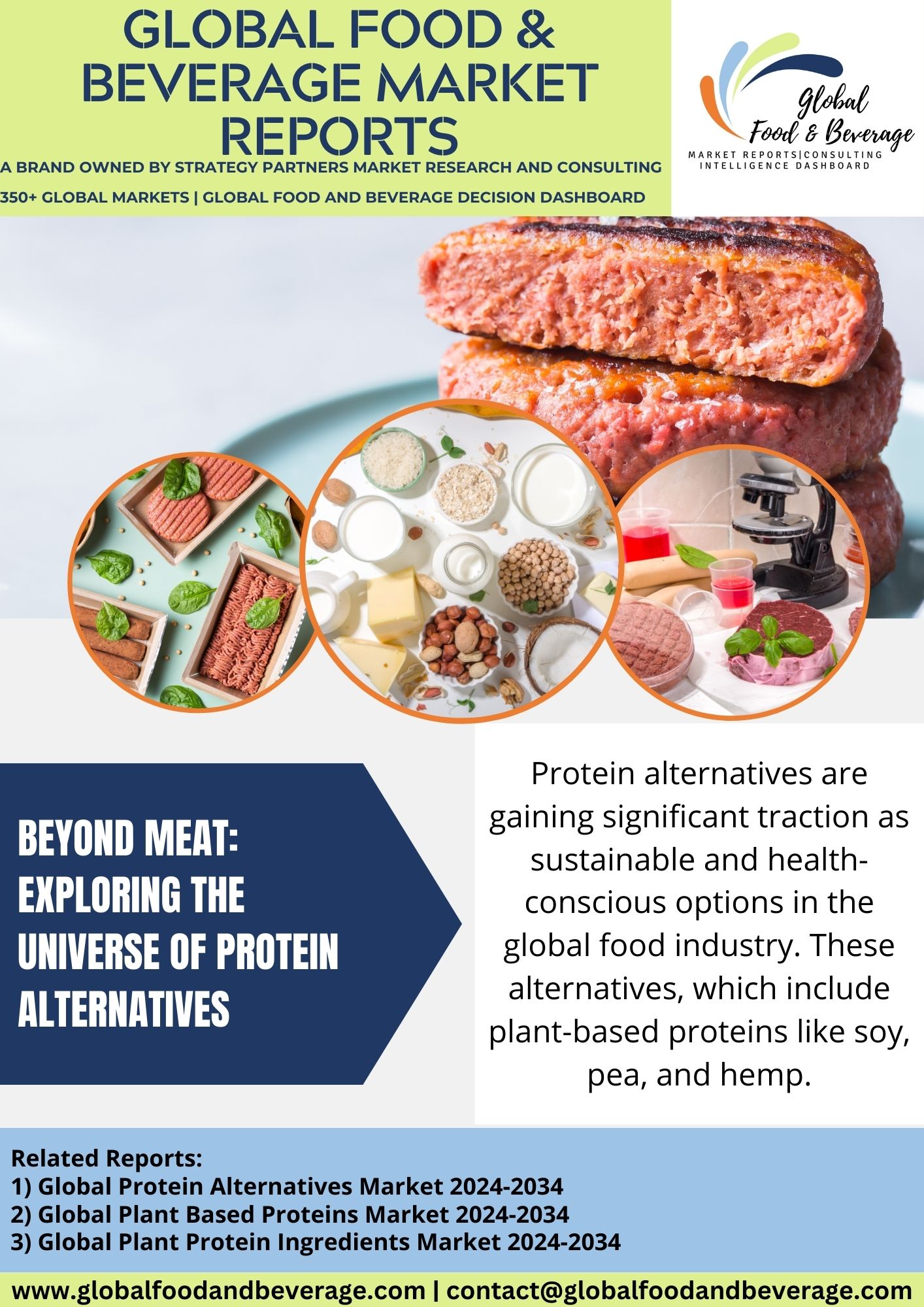
Protein alternatives have gained prominence in response to evolving dietary preferences, environmental concerns, and the desire for more sustainable food choices. These alternatives provide a plant-based or alternative protein source, challenging traditional animal-based protein consumption while catering to the growing demand for diverse and environmentally friendly options.
Plant-based protein alternatives have emerged as a dominant force in the market, offering products such as tofu, tempeh, legumes, and plant-based meat substitutes. These alternatives are often rich in protein, fiber, and essential nutrients, providing a nutritious and ethical choice for individuals seeking to reduce their reliance on animal products.
Beyond plant-based options, innovative technologies have given rise to alternative protein sources derived from fungi, algae, and even insects. These novel alternatives offer a spectrum of amino acids, vitamins, and minerals, presenting diverse nutritional profiles and contributing to the quest for sustainable protein solutions.
The development of cultured or lab-grown meat represents a cutting-edge approach to protein alternatives. Using cellular agriculture techniques, scientists cultivate meat cells in a controlled environment, eliminating the need for traditional livestock farming. This method not only addresses environmental concerns associated with animal agriculture but also aims to provide a solution for the ethical treatment of animals in the food production process.
Protein alternatives play a vital role in meeting the dietary needs of individuals with specific preferences or restrictions, including vegetarians, vegans, and those with allergies. These alternatives offer a bridge between dietary choices and nutritional requirements, promoting inclusivity and accommodating a diverse range of lifestyles.
As global awareness of sustainability and ethical considerations continues to grow, the market for protein alternatives is expected to expand further. The dynamic landscape of plant-based, novel, and cultured protein alternatives reflects a transformative shift in how society perceives and consumes protein, offering a myriad of choices that align with personal values, health goals, and environmental consciousness.
ADVANCEMENT:
Advancements in protein alternatives signify a transformative shift in the food industry, responding to diverse consumer preferences, health considerations, and environmental concerns. Plant-based protein alternatives, once relegated to niche markets, have evolved with innovative formulations that closely mimic the taste, texture, and nutritional profile of animal-derived proteins.
Technological breakthroughs in extrusion, fermentation, and ingredient blending have led to the creation of plant-based meat substitutes that satisfy both vegetarians and flexitarians. These alternatives not only appeal to ethical and environmental concerns but also cater to a broader audience seeking sustainable and nutritious protein sources.
The emergence of novel protein sources, such as algae, fungi, and microbial-based proteins, expands the scope of protein alternatives. These innovative sources not only offer nutritional diversity but also contribute to reducing the environmental impact associated with traditional animal agriculture.
Cell-based or cultured meat represents a cutting-edge advancement, involving the cultivation of real animal cells without the need for conventional animal farming. This technology holds the potential to revolutionize the meat industry, providing a sustainable and cruelty-free protein alternative.
As research and development efforts continue, protein alternatives are expected to play a central role in the future of food, addressing global food security, sustainability, and the evolving preferences of a conscious consumer base.
CHALLENGE:
Protein alternatives, including plant-based and cultured proteins, face various challenges in the global market. One significant challenge is replicating the taste and texture of traditional animal-based proteins. Achieving a sensory experience that matches or exceeds that of conventional meat is crucial for widespread consumer acceptance. Formulating products that appeal to diverse taste preferences and cultural expectations is an ongoing challenge for manufacturers.
Supply chain complexities impact the industry. Sourcing high-quality plant-based ingredients and ensuring a consistent supply can be challenging. Fluctuations in agricultural production, weather conditions, and geopolitical factors may affect the availability and affordability of key protein alternative components.
Regulatory considerations add complexity. As protein alternatives gain popularity, regulations regarding labeling, safety standards, and health claims become increasingly important. Navigating diverse regulatory landscapes across different regions requires compliance expertise to ensure market access and consumer trust.
Consumer education is crucial. Despite growing interest in protein alternatives, some consumers may not fully understand their nutritional benefits, environmental impact, and differences from traditional animal-based proteins. Educating consumers about these aspects is essential for informed decision-making and acceptance.
Technological advancements and innovation are critical for the industry’s growth. Developing new processing techniques, improving the taste and texture of protein alternatives, and exploring novel protein sources require ongoing research and investment in technology.
Market competition and pricing pressures influence the industry. As more companies enter the protein alternative market, competition intensifies, impacting product pricing and profitability. Achieving a balance between affordability and quality is a challenge, particularly as consumer expectations rise.
CONCLUSION:
In conclusion, the market for protein alternatives is experiencing a transformative surge driven by changing dietary preferences and sustainability concerns. Plant-based proteins, alongside emerging sources like fungi and algae, are gaining traction as viable alternatives to traditional animal-derived proteins. With a growing population embracing flexitarian and vegan lifestyles, there’s a substantial demand for diverse and nutritionally rich protein alternatives. Innovation in product development, coupled with increased investment in research, is shaping this dynamic landscape. As global awareness of environmental and health impacts rises, the protein alternatives market is poised for sustained growth, offering a promising future for companies meeting the evolving needs of conscious consumers.