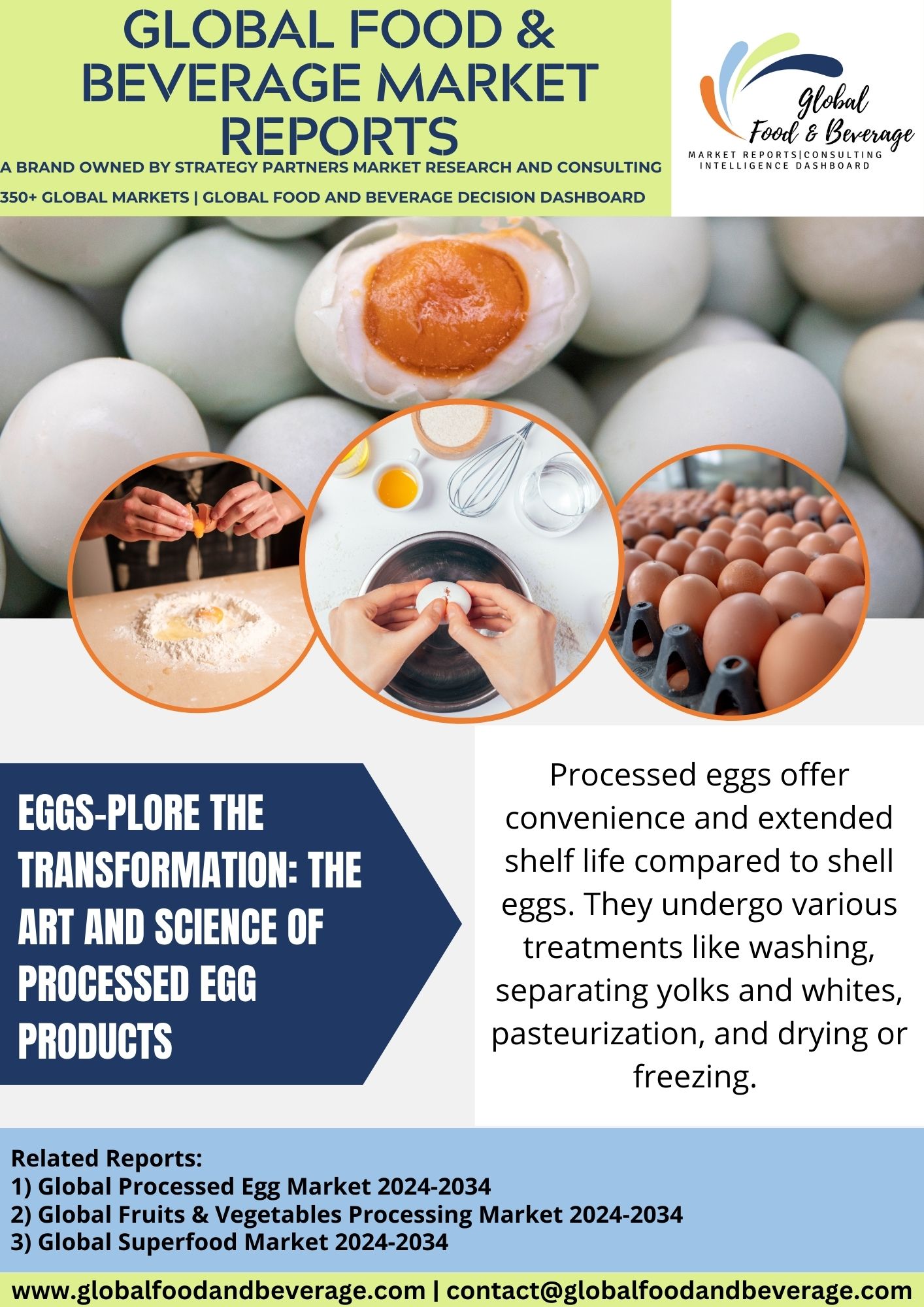
Processed eggs have become integral components of various food products, offering convenience, versatility, and safety. These eggs undergo specific treatments to meet the demands of modern food processing, providing viable alternatives to fresh eggs while ensuring product safety and stability.
One common form of processed eggs is liquid eggs, which are pasteurized and homogenized for easy handling in commercial kitchens and large-scale food production. Liquid eggs find applications in the preparation of scrambled eggs, omelets, and various baked goods, eliminating the need for cracking and separating individual eggs.
Another widely used processed egg product is egg powder. Through a dehydration process, whole eggs, egg whites, or egg yolks are transformed into a dry, shelf-stable powder. This powder serves as a convenient ingredient in baking mixes, cake mixes, and other formulations, offering extended shelf life without compromising nutritional value.
Processed eggs also include pre-cooked or hard-boiled eggs, catering to consumers seeking ready-to-eat options. These eggs undergo cooking and peeling processes, providing a hassle-free solution for salads, sandwiches, and snacking.
The processing of eggs is not solely about convenience but also addresses safety concerns. Pasteurization and other treatments reduce the risk of foodborne illnesses associated with raw or undercooked eggs, making processed eggs a safer choice for certain applications.
In the food industry, processed eggs contribute to the efficiency and consistency of production processes. They allow for precise measurements and standardized formulations, ensuring that food products achieve the desired texture, moisture, and taste.
Overall, the various forms of processed eggs have become essential ingredients in the food manufacturing sector, streamlining processes, enhancing safety, and providing convenient solutions for both culinary professionals and consumers alike. The versatility and practicality of processed eggs have made them indispensable in meeting the demands of today’s dynamic and diverse food market.
ADVANCEMENT:
Advancements in processed egg technology have revolutionized the food industry, introducing innovative methods to meet the growing demand for convenience, safety, and sustainability. Traditional liquid and powdered egg products have undergone significant improvements, particularly in pasteurization techniques that enhance safety by mitigating the risk of contamination.
Freeze-drying and spray-drying technologies have extended the shelf life of powdered eggs while preserving their nutritional value, catering to the needs of various industries, including baking, food manufacturing, and emergency food supplies. These advancements not only address storage challenges but also contribute to reducing food waste.
The development of cholesterol-free egg substitutes, often derived from plant-based sources, represents a major breakthrough in response to health-conscious consumer preferences. These substitutes offer functional versatility, mimicking the properties of eggs in various culinary applications.
Furthermore, sustainable practices in egg processing, such as waste reduction and energy efficiency, are gaining prominence. The industry’s commitment to environmentally friendly practices aligns with global efforts to reduce the ecological impact of food production.
As technology continues to evolve, processed egg products play a crucial role in meeting the diverse needs of consumers, demonstrating that convenience, safety, and sustainability can coexist in the dynamic landscape of modern food processing.
CHALLENGE:
Processed eggs, including liquid, powdered, and frozen egg products, face several challenges in the global market. One significant challenge is ensuring product safety and quality throughout processing and storage. Eggs are susceptible to contamination by pathogens like Salmonella, and maintaining stringent hygiene standards is crucial to prevent foodborne illnesses. Developing effective pasteurization and processing methods to eliminate microbial risks without compromising product quality is an ongoing challenge.
Supply chain complexities impact the industry. The availability and cost of eggs, influenced by factors like weather conditions and market demand, can fluctuate. Ensuring a stable and cost-effective supply of raw materials for processing requires strategic planning and collaboration with egg producers.
Regulatory compliance adds a layer of complexity. Meeting diverse regulatory standards for processed egg products, including labeling, safety, and quality requirements, can be intricate. Navigating these regulations is crucial for market access and consumer trust.
Technological advancements and sustainability concerns are challenges for the industry. Developing efficient and environmentally friendly processing methods, such as waste reduction and energy efficiency, is essential. Embracing technological innovations that enhance product quality, extend shelf life, and address sustainability considerations requires ongoing research and investment.
Changing consumer preferences present challenges. Evolving dietary trends, including the demand for natural and minimally processed foods, can impact the market for processed egg products. Manufacturers must adapt to changing consumer expectations and preferences through product innovation and marketing strategies.
Market competition and pricing pressures influence the industry. The processed egg market is competitive, and price fluctuations, influenced by factors like feed costs and market demand, can impact the profitability and affordability of processed egg products.
CONCLUSION:
In conclusion, the processed egg market is experiencing notable growth driven by increasing consumer demand for convenient and versatile egg products. The industry benefits from the widespread adoption of processed eggs in various food applications, including bakery, confectionery, and convenience foods. Factors such as longer shelf life, easy handling, and reduced food safety risks contribute to the market’s expansion. Innovations in processing technologies and packaging further enhance the market’s appeal. As consumer lifestyles continue to favor time-saving solutions, the processed egg market is poised for continued evolution, presenting opportunities for industry players to meet the dynamic demands of the modern food landscape.